

When Weather Becomes a Teacher
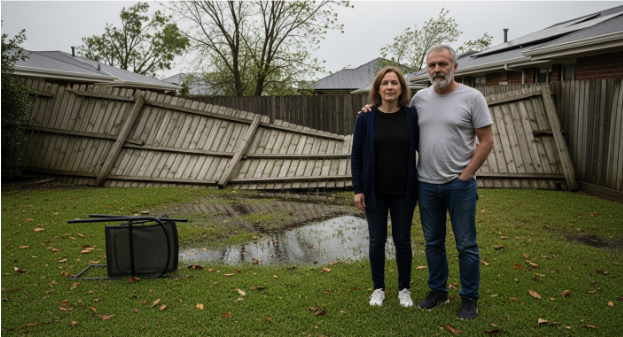
Each year, when hurricane season fades, Louisiana neighborhoods tell the same story — splintered fences, broken gates, and the unmistakable sound of contractors’ trucks returning to the same addresses. The storms come and go, leaving behind a trail of destruction that includes damaged fences, but the lessons stay behind.
“We see the same families call us two, sometimes three times in five years,” says Kip McDonald, owner of Primescape Fence & Stain. “After a while, people stop asking for the cheapest option. They start asking what will actually survive.”
That question has quietly reshaped the local fencing business. What once felt like a cosmetic upgrade has become a structural decision — part of home protection, not decoration.
Louisiana homeowners are increasingly viewing fence replacement as a disaster prevention measure, rather than a cosmetic upkeep task.
Cheaper, Faster, Broken
In the rush to rebuild after major storms, many homeowners once chose quick, low-cost repairs. However, according to a recent feature on BeforeIt’sNews, short-term thinking is expensive in the long run. Each reinstallation weakens the soil foundation and accelerates rot, making every storm season more destructive than the last.
“It’s a cycle,” McDonald explains. “A fence falls, gets replaced fast, and falls again. The third time, people finally realize it’s not the wind — it’s the method.”
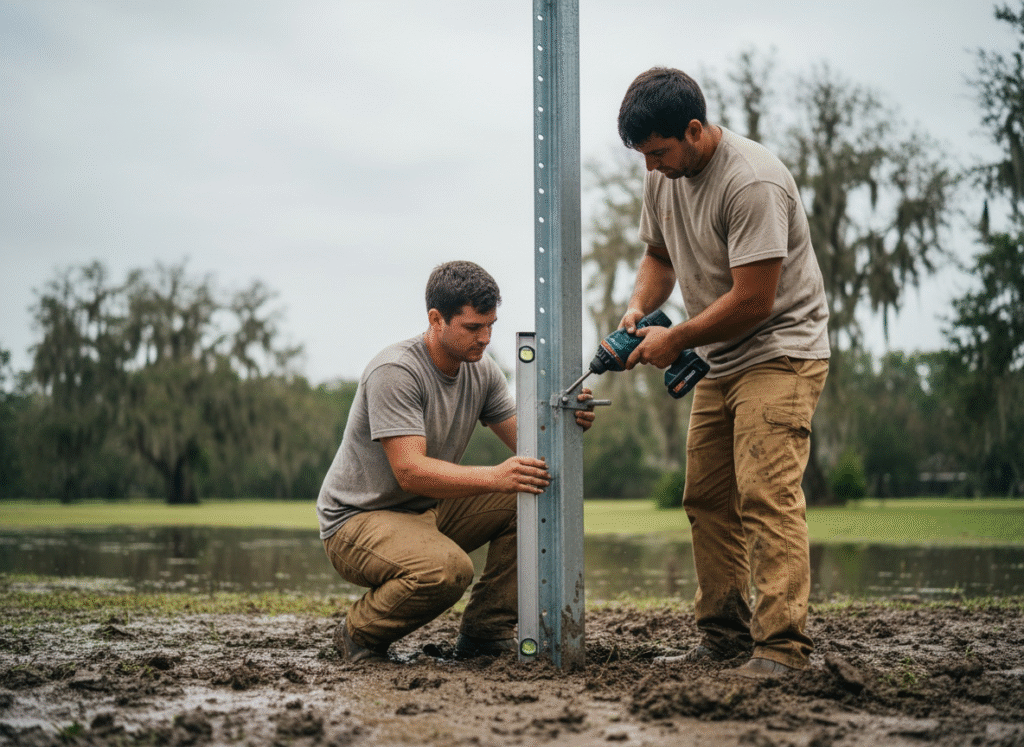
PostMaster Plus steel posts, known for their durability and resistance to extreme weather conditions, have become a new standard for homeowners seeking long-term resilience over short-term savings.
Post-Storm Priorities Are Changing
Primescape’s work in parishes like Ascension, Livingston, and Tangipahoa reveals a clear trend: homeowners are investing in storm-rated fences constructed with steel infrastructure and eco-friendly stains that can withstand both wind and water. The approach mirrors how roofing evolved — from asphalt shingles to hurricane clips and impact-rated materials.
“A fence isn’t just for privacy anymore,” McDonald says. “It’s a part of your home’s weather defense plan.”
Modern installations utilize structural posts designed to flex instead of snap, along with reinforced corners that evenly distribute pressure across panels. These engineering changes ensure that the force of the wind or water is evenly distributed, making a visible difference when the next tropical system rolls through.
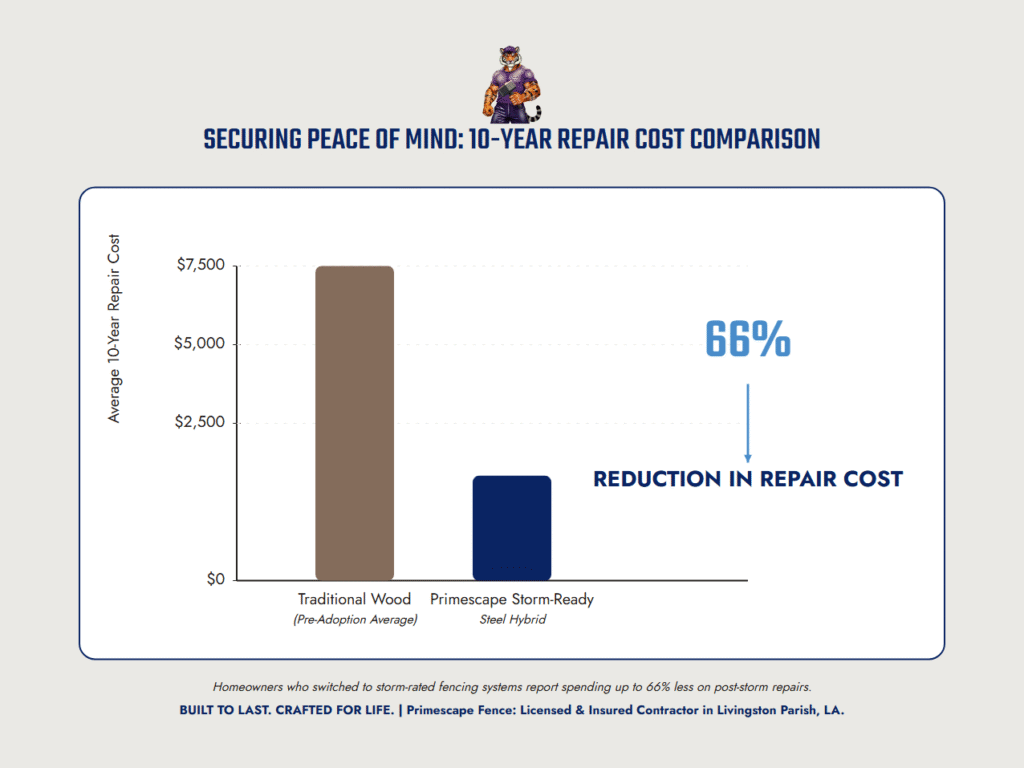
Homeowners who switched to storm-rated fencing systems report spending up to 60% less on post-storm repairs, a significant financial advantage that empowers them to take control of their home maintenance costs.
The Human Side of Home Resilience
For many families, fence replacement is an emotional repair — a way to restore normalcy after chaos. McDonald says the relief homeowners feel when their fence stands through a hurricane isn’t about appearances. “It’s about knowing one part of your property did its job,” he says. “That’s one less worry during a long night.”

Some of Primescape’s clients now document their fences in insurance claims, with adjusters taking note of the reinforced materials and design. What started as a simple home improvement has become a point of pride — and sometimes a slight financial advantage.
Storm-ready fences offer homeowners something money can’t buy — peace of mind when the wind starts rising, providing a sense of security and comfort during turbulent times.
Community Lessons in Durability
Across Louisiana, homeowners’ associations are beginning to include durability standards in their neighborhood covenants. Builders are specifying reinforced fencing systems as a baseline requirement, not an upgrade. This shift reflects a simple truth learned through hard seasons: you don’t save money by rebuilding twice.
McDonald hopes this new mindset lasts. “Weather’s always been part of life here,” he says. “The difference now is people are building with it in mind.”
From Recovery to Readiness
As homeowners prepare for another unpredictable season, conversations about fencing have changed. It’s no longer about looks or cost alone — it’s about readiness. The quiet transformation happening in backyards across the state may be one of the most practical responses to climate reality in Louisiana.