

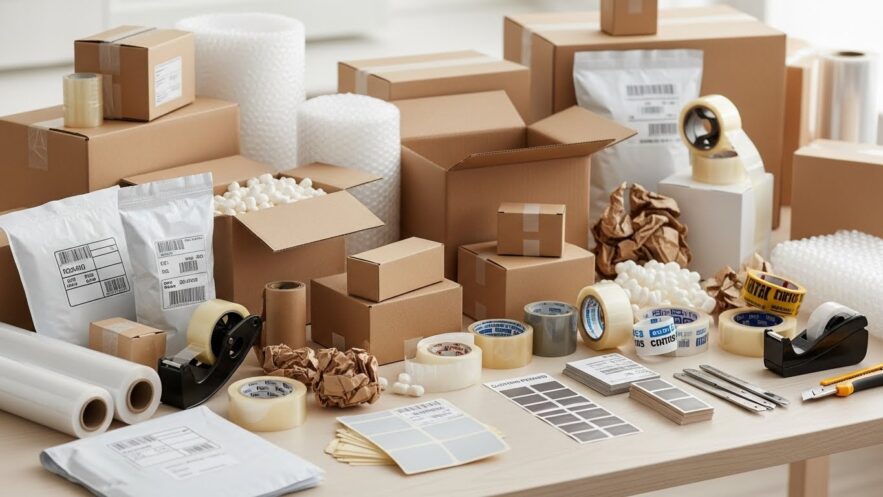
Warehouses today move faster than ever. Products are packed, stacked, lifted, scanned, and shipped at high speed to meet customer expectations. As businesses focus on efficiency, automation, and fast delivery, one factor quietly influences almost everything in the warehouse: packaging. After researching how warehouses operate in different industries, it becomes clear that packaging is not just a container, it’s a major contributor to workplace safety, employee productivity, and overall operational success. This is one reason many companies choose dependable packaging suppliers like PFI.
Most people think of packaging only in terms of protecting products, but warehouse teams know it affects much more. The wrong type of box can slow down employees. Collapsing stacks can cause injuries. Oversized packaging wastes space. Weak materials lead to damaged goods, which means extra handling and increased risk for workers. A single packaging failure can disrupt workflow, create hazards, and increase costs. That’s why the quality and reliability of packaging matter just as much as the products being shipped.
One of the biggest ways packaging impacts a warehouse is through stacking strength. When boxes are stacked on pallets or shelving, they must hold their shape under weight. Weak or low-quality boxes collapse easily, leading to falling inventory, crushed merchandise, and dangerous working conditions. Corrugated boxes, especially those built with double-wall or reinforced material, are designed to handle the pressure of stacking and storing. Companies that want a safer warehouse environment often switch to higher-strength corrugated packaging. PFI offers a wide selection of reliable corrugated boxes and packaging foam.
Warehouse organization also depends on consistent, sturdy packaging. When boxes come in different shapes, sizes, or strengths, it becomes harder to maintain clean storage rows or stable pallets. Workers spend extra time rearranging unstable stacks or repacking damaged items. Strong corrugated packaging helps warehouses stay organized by providing uniform structure and reliable stacking performance. This leads to fewer disruptions and a smoother workflow throughout the day.
Employee productivity is closely tied to the quality of packaging. Workers move quickly through picking, packing, and shipping tasks. If boxes rip or collapse during handling, employees must stop what they are doing, find replacements, repack items, and log the changes. These interruptions slow down the entire operation. When companies use strong, well-designed corrugated boxes, employees handle materials with less effort and fewer problems. This improves productivity and reduces stress on the warehouse team.
Safety risks also increase when packaging fails. For example, a pallet stacked with weak boxes becomes unstable, and workers might be injured if the load shifts or collapses. Boxes that tear open can spill contents, creating tripping hazards. Heavy items placed in the wrong type of box can break through the bottom, causing injuries when workers attempt to lift or carry them. By switching to durable, load-appropriate corrugated packaging, companies reduce these risks significantly.
In fast-paced warehouses, ergonomics matter. Packaging that is too large, too heavy, or poorly designed leads to unnecessary strain on workers. Employees spend more energy lifting oversized boxes, bending awkwardly to secure items, or carrying packaging that doesn’t fit the product correctly. Corrugated boxes are easy to customize, allowing businesses to choose sizes and strengths that support safe and comfortable handling. The right box size reduces strain, improves lift safety, and minimizes repetitive movement injuries.
Another important benefit of high-quality packaging is its effect on inventory accuracy. When boxes collapse or become damaged, labels can tear or become unreadable. Products fall out of place, and inventory counts become inaccurate. This creates issues during order fulfillment, cycle counting, and auditing. Corrugated packaging maintains shape and integrity, helping labels stay secure and inventory stay accurate. This reduces costly errors and strengthens warehouse management systems.
Packaging also influences equipment performance. Forklifts, pallet jacks, and conveyor belts work best with consistent, stable loads. When packaging is weak, pallets shift, boxes lean, and equipment operators must slow down to avoid accidents. Strong corrugated boxes create stable loads that move smoothly across warehouse equipment. This not only improves safety but also extends the lifespan of machinery by reducing strain on the equipment.
Sustainability is another area where packaging affects warehouse operations. Many businesses aim to reduce waste and adopt eco-friendly practices without sacrificing performance. Corrugated boxes support these goals because they are recyclable, renewable, and biodegradable. Warehouses generate large amounts of packaging waste, so choosing recyclable materials helps businesses cut down on landfill contributions and meet sustainability targets. Workers also benefit from cleaner, more organized waste-handling areas because corrugated materials are easy to break down and recycle.
The financial benefits of better packaging go beyond reducing product damage. When warehouses use dependable corrugated boxes, they save money by reducing labor disruptions, preventing accidents, and lowering equipment repair costs. Strong packaging eliminates unnecessary repacking, fewer workers’ compensation claims occur due to safer environments, and goods move faster from receiving to shipping. Each of these improvements contributes to lower operational costs and higher warehouse output.

Small and medium-sized businesses experience these benefits even more. With fewer employees and tighter budgets, any warehouse disruption can slow down an entire day’s workflow. Packaging failures cause bottlenecks that SMBs can’t afford. By choosing strong corrugated boxes from reliable suppliers like PFI, smaller companies improve safety, reduce employee strain, and streamline their workflows without needing to invest in expensive automation or additional staffing.
Industries with high shipping volumes, such as e-commerce, retail, and third-party logistics, depend heavily on efficient warehouse operations. The speed at which boxes can be packed, scanned, and shipped directly affects customer satisfaction. Strong, consistent packaging allows workers to process orders faster, build stable pallets quickly, and avoid unnecessary delays. As online shopping continues to grow, packaging becomes even more important for meeting customer expectations and avoiding costly returns.
Packaging also impacts training. Warehouses with simple, consistent packaging options can train workers more quickly because employees don’t have to learn multiple handling techniques or troubleshoot poorly designed boxes. When packaging is sturdy and predictable, new hires learn faster and make fewer mistakes. This reduces training costs and helps teams reach full productivity sooner.
After reviewing warehouse safety studies, productivity metrics, and supply chain research, the conclusion is clear: packaging plays a critical role in the performance of modern warehouses. It affects worker safety, equipment efficiency, inventory accuracy, supply chain speed, and overall operational cost. Companies that invest in high-quality corrugated boxes and reliable suppliers gain advantages that go far beyond product protection.
This is why many organizations trust PFI as their packaging partner. With durable corrugated packaging, consistent quality, and dependable delivery, PFI helps businesses create safer, more efficient, and more productive warehouse environments. Packaging may not always be the first thing companies think about, but it quietly shapes their success every single day.