

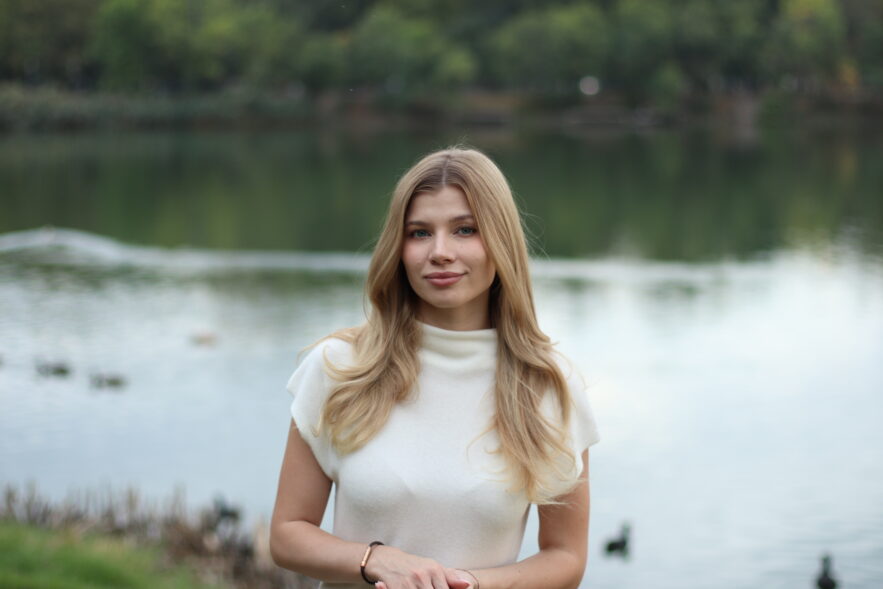
By Sophia Reynolds, March 24, 2025
In 2025, TikTok remains one of the most influential platforms for promoting content and personal brands. But as competition grows, algorithms become more complex. Today, it’s not enough to just film a video — it’s essential to understand how the recommendation system works, what factors influence getting on the “For You” page, and what new elements the platform now takes into account. In this article, together with creative producer and developer of unique content strategies Ekaterina Emelianchikova, we’ll explore how TikTok’s algorithms work in 2025, what techniques help creators reach a wider audience, and what you need to know to avoid getting lost in the ever-changing rules of the game.
Like any platform that has become essential for every content creator and business, TikTok has undergone significant changes. One thing has remained stable — the number of videos determines success. However, in recent years, competition has intensified, and where before it was enough to simply post frequently, today quality matters as well. TikTok is still not about complex editing — it’s about the idea. Although content is becoming more aesthetic. Whereas naturalness and authenticity were once key, today, without a beautiful background, lighting, and delivery, you’re unlikely to get far.
“Additionally, the platform doesn’t just focus on the idea itself, but on the ability to present it in an unusual and engaging way. Depending on how well you manage that, the completion rate of your video will increase. And the higher this rate, the more actively TikTok promotes your videos.
When it comes to business, TikTok values breaking the fourth wall between the company and the consumer, the ability to use irony, and to quickly incorporate trends. Another important factor is humanizing the content — creating a connection between the brand and specific people or characters. No one wants to watch yet another review or plain utility post. The viewer expects dialogue, openness, the ability to admit mistakes. For individual creators, it’s about correctly defining your niche and creating a memorable image — both visually and internally, in terms of thoughts and beliefs. Once you find your formats, it’s important to double down on them — both the algorithm and the audience appreciate that,” says Ekaterina Emelianchikova.
Posting regularly is the most important factor. The platform itself has said this many times. It’s better to publish one video every day than 20 once a month.
What many forget is that your content creation skills directly depend on frequency. Simply put, by doing more, you already increase your chances of growing your audience because you’re sharpening your skills. Of course, it’s not just about creating — it’s about proactive creation: analyzing, implementing new ideas, improving what’s possible at your current stage, the expert believes.
“As for user interaction, saves and comments are currently the most important. But even more important, as I mentioned earlier, is depth of engagement. If you hook viewers at the start and then gradually reveal your idea, they’re more likely to watch to the end than if you lay all your cards on the table immediately. And watch-through rate is crucial — it helps retain users on the platform longer. That’s a top priority for every social network,” Ekaterina explains.
The more you understand your target audience, the better. For example, at the beginning, it’s important not to go beyond your niche. It’s better to first gain tens of thousands of followers, and only then expand your content topics. The more clearly you define your audience and blog topic, the better. Then you can begin to experiment with formats: short POV videos, voiceovers, quick cuts, long vlogs, GRWM, top-5 lists, carousel posts with stories, etc. If your audience is defined, the next step is experimenting with content formats.
“Algorithms change constantly, and I think it’s easy to go crazy trying to track, predict, or guess them. But we do know for sure that regular posting, quality, catchy hooks, and interesting, original ideas are important,” the speaker notes.

If you’ve clearly decided that you’re interested in discussing Topic X (either you’re an expert or want to become one and are sharing your journey), fill all your content with this topic. Tell the story of how you got there (starting point, nostalgia), through challenges, emotional engagement, exaggeration. Again, experimentation doesn’t have to be with the niche — it can be with the format.
“I often see a total lack of analysis and strategy. For example, a creator starts working with a strategy they initially chose, but then never reviews what’s actually working. It’s important to do at least a monthly analytical summary,” says the producer.
It’s worth noting that new and experienced users need different approaches to content creation. Beginners need posting discipline and a clear focus on one role — visibility is more important than versatility. Emphasis should be on fast, simple, or entertaining formats. Experienced creators should focus on strategy, building an ecosystem around their blog (integrating TikTok, YouTube, Instagram), and mastering attention-holding in long-form content.
“By 2026, a lot could change. First, algorithms are shifting from virality to relevance. TikTok and other platforms will increasingly tailor feeds to individual interests, including micro-topics. That means depth and niche value will be more important than trying to appeal to everyone.
Second, content is moving from individual videos to ecosystems. It’s not enough to just post — you need to build a media brand. The combination of short videos for reach, long-form for retention, community platforms, and offline activities works best.
Third, the trust economy. In 2026, the key asset will not be reach but the creator’s personal capital. Bloggers will be seen as intellectual property. Brands and platforms will evaluate not just views, but brand integrity, trust strength, and the ability to scale personality into a product,” concludes Ekaterina Emelianchikova.