

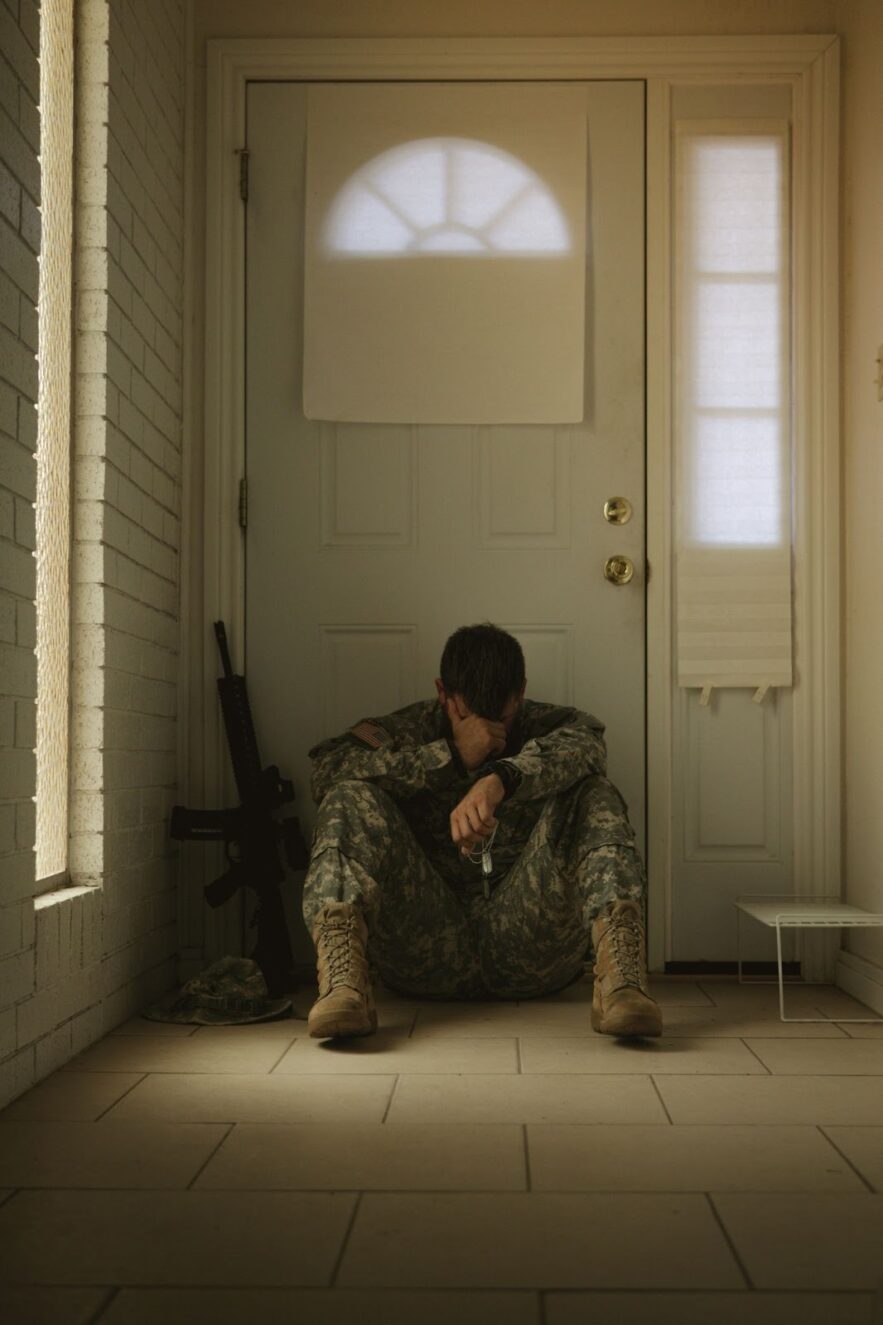
By the time a service member finishes their duty each day, or even leaves the military for good, most people assume the hardest part is over. The deployment is done. The danger has passed. Home is safe.
But for many military families, the real struggle is just beginning.
Behind the ceremonies and yellow ribbons, there is a quieter story. It is a story of injuries that are not always visible, a healthcare system that can feel confusing, and families stretched thin while waiting for help that often comes slowly.
Invisible Wounds and Real Struggles
Military injuries are not always dramatic or obvious. Some are physical, like shrapnel wounds, damaged joints, or chronic pain that gets worse with time. Others are invisible, like post-traumatic stress, traumatic brain injuries, depression, or anxiety. These injuries do not announce themselves. They quietly affect sleep, memory, relationships, and the ability to feel present at home.
To get care, service members must go through referrals, evaluations, approvals, and long wait times. Appointments can take months. Specialists may be far away. Mental health care, in particular, can be hard to access, even though it is extremely important.
Asking for help can also be hard. Military culture values strength and resilience. Admitting to pain, especially emotional pain, can feel like failure even when it is not.
A System Full of Paperwork
The healthcare process can feel like a maze. Service members must fill out forms, make phone calls, and repeatedly explain their injuries.
One missing document can lead to a denied claim. One delayed appointment can mean months without medication or therapy. For those leaving active duty, moving from military to civilian healthcare can feel confusing, like the safety net they trusted has disappeared.
This process tests patience and can lower morale. Many veterans say they feel like they must fight for care from the system that is supposed to help them.
The Families Who Carry the Weight
While service members navigate healthcare, their families often bear the emotional burden.
Spouses take on caregiving, arranging appointments, managing medications, and watching for signs of emotional distress. They carry fear quietly, trying to support their loved one while keeping daily life going.
Children notice changes too. A parent who once laughed easily may now seem distant or irritable. Nights can be disturbed by nightmares. Medical appointments may replace family outings. Kids learn patience, quietness, and worry before they fully understand why.
Military families live with uncertainty. They wonder if care will come in time and if it will be enough.
The Cost of Delays
When care is delayed, the effects spread. Untreated injuries get worse. Mental health struggles deepen. Relationships become strained by frustration and exhaustion.
Sometimes the consequences are tragic. Suicide rates among veterans are a serious concern. This shows that timely, compassionate care is not a luxury. It can save lives.
Every delay sends a message, whether intentional or not, that their suffering can wait.
Support Beyond the Military

Fortunately, the fight for better care is not left to service members and their families alone. Organizations and leaders outside of the military are stepping in to help navigate the system, advocate for timely care, and push for solutions. Leaders like Joanne M. Frederick, CEO of Government Market Strategies, are working to ensure service members receive the care they need when they need it. These efforts, while not always in the spotlight, play an important role in supporting both service members and the families who stand beside them.
Why This Matters
Service members are trained to put the mission first. When the mission ends, the country must put them first.
Healthcare for military personnel and veterans should not feel like another battle. It should be clear, responsive, and treat them with dignity.
Every claim number represents a person who raised their hand to serve. Every delayed appointment affects a family holding its breath.
A Call for Care That Matches the Sacrifice
The men and women who serve do not ask for special treatment. They ask for fair treatment. They need care that understands their experiences and the long effects of service.
Their families stand beside them, often sacrificing their own peace of mind and stability.
We can honor their service not only with words and flags but also with action. When they ask for help, they should be met with compassion, not resistance.
For those who have already given so much, coming home should not be the hardest journey of all.