

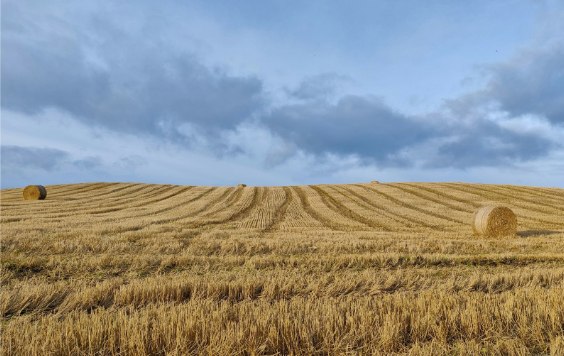
For America’s ranching communities, water is often the key component that keeps everything alive. It not only hydrates us, but also our cattle, our land, and our crops—all the things essential to modern-day agriculture.
Without water, America’s landscape simply wouldn’t exist. Animals would suffer, nature would die, and the rippling effects would eventually hit the economy hard.
The weight of drought
In places like Colorado and Las Vegas, water scarcity is a prominent issue. Tension over water access escalates everyday, and according to the U.S. Drought Monitor, 65.5% of the Western U.S. has been in rough drought conditions this year, where about 14% of the region has been under “extreme” levels.
Water scarcity comes with a number of implications. It not only disturbs the rhythm of land and livestock, but it also leads to problems like increased wildlife risk, malnutrition, high inflation, food shortages, and crop failure. The challenges aren’t just agricultural-facing, they are influential to the entire population.
While water shortage is nothing new, there are many reasons why it happens. A combination of factors, such as climate change, population growth, inefficient infrastructure, and pollution all play a role in unhealthy water patterns. And as these causes continue to build up, experts say the U.S. could run out of water here in the near future.
Practical solutions
Amid the hardships, the good news is many ranchers and farmers are rethinking how to adapt to this type of condition. For agricultural experts like Andrew Coppin, CEO of Ranchbot, one way to survive this is by implementing water monitoring solutions that provide real-time data in order to keep water levels on track.
Other professionals are suggesting additional technological solutions that prioritize soil health, runoff, and cattle. Smart water management systems that conserve groundwater and detect leaks as they happen are the best ways to maintain balance when the environment shifts.
Fixing the water crisis also involves the people who depend on it most. That means it is up to communities to understand the weight of their water consumption. Simple steps like reducing household waste, avoiding littering, or recycling water can create meaningful effects.
As far as policy goes, people should also advocate for updated water infrastructure and drought preparedness. America needs regulation around water conservation, but it is dependent on the people first in order to make that happen.
What happens next
If the current drought trends continue, the consequences could be hard to reverse. Farmlands will dry and water reservoirs will lose all hope. For farmers and ranchers, that also means financial pressure and reduced crop yields. And much worse, ongoing water scarcity could cause ranchers to have to sell land or downsize operations in order to stay afloat.

The stakes reach everyday markets, too. When agriculture fails, food prices will increase and produce availability will lack. For those working in food or transportation, drought can also cause job loss, primarily due to damaged infrastructure and power shortages.
The real numbers also prove this urgency. By 2050, climate effects like drought will place immense strain on the economy, where analysts predict roughly 14.5 million deaths and $12.5 trillion in economic losses, according to the World Economic Forum. If we don’t take this to heart, we’ll lose innocent lives and essential funding that keeps the world moving.
Just another reality
Across the entire globe, and especially in America, we see and hear about drought happening almost everyday. Iconic landmarks that once flourished are now suffering because they are getting dry. Citizens are having to evacuate because wildfires are happening. As the story shows, drought is taking up our entire existence.
But yet, there’s a way through it if people can acknowledge the stakes at hand. If farmers can innovate and humanity can change habits, water scarcity does not have to win us over.
Today, the water crisis demands urgency. It is our reality, but it shouldn’t be. Let this be everyone’s call to fix our farmlands before time runs out.