

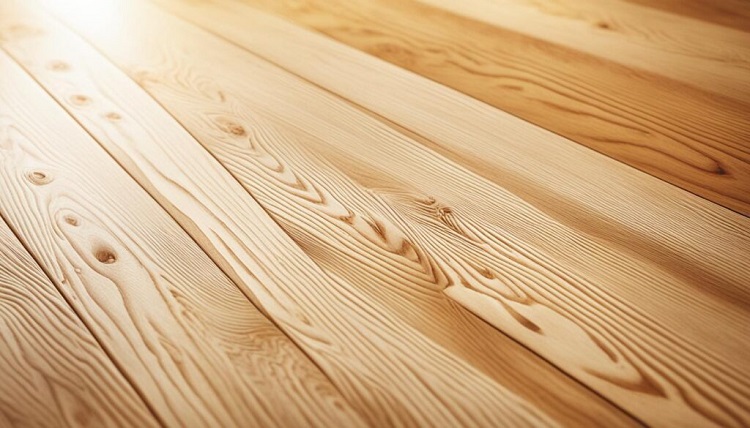
When people walk into a shop, restaurant, or showroom, they rarely think about the floor beneath their feet. Yet flooring is one of the most influential design elements in shaping how customers move through and experience a space. It subtly guides direction, affects mood, and influences how long people stay. The right flooring does much more than look good — it enhances customer flow, improves comfort, and contributes to a positive, seamless experience from the moment someone steps inside.
In commercial environments where every detail counts, understanding how flooring contributes to both movement and atmosphere is key to designing spaces that feel natural, inviting, and efficient.
The Relationship Between Flooring and Customer Behaviour
The flow of people through a space — known as customer flow — is an essential part of commercial design. Good customer flow encourages browsing, reduces congestion, and supports sales or engagement. Flooring plays a surprisingly powerful role in this. Through texture, colour, material, and layout, it can subtly influence where customers walk, how long they linger, and even how they feel while doing so.
Smooth, open floor layouts with coherent flooring choices encourage customers to move intuitively, while sudden changes in surface or tone can interrupt movement or signal a change in purpose. Designers often use these visual cues to differentiate between zones within a shop or restaurant without the need for signage or barriers. The human eye naturally follows lines and contrasts, so the flooring beneath a customer’s feet can act as a silent guide, leading them through the space with ease.
Comfort as a Cornerstone of Design
Comfort might not be the first word that comes to mind when thinking about commercial flooring, but it is one of the most important. When customers feel comfortable, they are more likely to stay longer, explore more, and spend more. Flooring affects comfort in both physical and psychological ways.
Physically, it influences how soft or hard each step feels, how much sound travels through the space, and how well the environment maintains its temperature. Hard, echoing floors can create a cold and uninviting atmosphere, while flooring that absorbs sound and provides cushioning underfoot can make a space feel warm, welcoming, and relaxed.
Psychologically, flooring contributes to a sense of balance and harmony. Materials that complement the overall aesthetic of the space can make customers feel calm and at ease. For instance, natural textures such as wood-look vinyl or laminate tend to evoke warmth and familiarity, whereas polished concrete or tiles can create a sleek, modern impression that aligns with high-end retail or dining experiences. Comfort, then, is not just about how flooring feels underfoot — it’s also about how it makes people feel within the space.
Using Flooring to Define Zones and Movement
One of the most effective ways to manage customer flow is through zoning — dividing a commercial space into different functional or thematic areas. Flooring is a subtle yet powerful way to achieve this without disrupting the visual continuity of the design.
By changing the material, pattern, or tone of the flooring between areas, designers can create natural transitions that signal shifts in activity. For example, a restaurant might use a warm-toned wood-effect vinyl in its dining area and a darker, textured surface in the bar zone to create a sense of contrast and direction. Similarly, in a retail setting, flooring with a slightly different pattern or texture might indicate a new product section or lead the customer towards the till area.
This approach helps customers move intuitively through a space without feeling rushed or lost. It prevents bottlenecks and encourages smooth, organic navigation. When done well, customers may not even notice the change in flooring consciously — they simply experience a layout that feels well-organised and easy to explore.
The Importance of Acoustics in Customer Comfort
Noise can dramatically influence how customers perceive and interact with a space. In busy environments such as shops and restaurants, excessive echo or footstep noise can create a sense of chaos. Flooring materials play a critical role in managing acoustics by either absorbing or amplifying sound.
Luxury vinyl tile, carpet tiles, and rubber flooring are all known for their excellent sound-absorbing qualities, making them ideal for spaces where comfort and communication are key. By reducing reverberation, they create a calmer environment that allows conversation and background music to coexist naturally. In restaurants, this contributes to a more intimate dining experience, while in retail, it makes browsing and interacting with staff far more pleasant.
Good acoustics are an often-overlooked element of comfort, but when managed well, they can completely transform how inviting a space feels. A well-chosen floor ensures the environment sounds as good as it looks.
Safety and Stability: The Foundations of Confidence
Customer comfort is closely tied to the perception of safety. Flooring that feels unstable, slippery, or uneven immediately disrupts confidence and flow. People naturally slow down or alter their paths when they sense a potential hazard, which can create awkward traffic patterns and break the rhythm of movement within the space.
Slip-resistant flooring is therefore vital, especially in restaurants, cafés, and shops where spills, rainwater, or cleaning can make surfaces wet. Modern safety flooring combines practicality with design, offering grip and stability without sacrificing appearance. Textured vinyl, safety-rated tiles, and resilient rubber flooring all provide traction underfoot while maintaining a cohesive aesthetic that fits commercial interiors.
Ensuring level transitions between areas — for example, where carpet meets tile or vinyl — also prevents trip hazards and maintains a smooth customer journey. The best-designed floors are those that customers never have to think about because they simply work.
Creating Visual Continuity and Flow
In retail and hospitality design, continuity is as important as zoning. While different areas may require distinct flooring materials or tones, maintaining visual harmony across the entire space is key to ensuring customers experience it as a unified environment.
Designers achieve this through consistent colour palettes, matching textures, or repeating patterns. For instance, a restaurant might use the same wood-look LVT throughout but change the direction of the planks or introduce a subtle border to separate the dining and bar areas. Similarly, a retailer might use a single flooring type in different tones to distinguish sections while keeping the overall design cohesive.
Visual continuity helps create a natural flow that feels effortless. When the eye can move seamlessly through the space, the feet naturally follow. This intuitive movement not only improves customer experience but also supports operational efficiency, guiding guests towards key areas like tills, exits, or featured displays.
How Flooring Influences Mood and Ambience
The emotional response customers have to a space is heavily influenced by its flooring. Colours, materials, and textures all evoke distinct feelings, and when chosen carefully, they enhance the atmosphere a business wants to create.
Warm wood tones promote comfort and familiarity, making them ideal for family restaurants or boutique shops. Cool greys or dark stone finishes suggest sophistication and calm, aligning with high-end retail or fine dining environments. Lighter flooring can make smaller spaces appear larger and brighter, while darker tones can create intimacy and depth.
Texture also affects mood. Smooth, reflective floors feel modern and clean, while textured or matte finishes evoke authenticity and natural warmth. When used in the right context, flooring becomes a key emotional driver, subtly shaping how customers feel and behave within the space.

Comfort for Staff as Well as Customers
Customer comfort is paramount, but the wellbeing of staff should also be considered when choosing flooring. Employees spend far more time standing and walking across the same surfaces than customers do. Hard, unforgiving floors can lead to fatigue, back pain, and long-term health issues.
Resilient flooring materials such as cushioned vinyl, rubber, or cork can significantly improve comfort for staff. These surfaces provide gentle support underfoot, reducing strain and promoting better posture. For restaurants, retail stores, and cafés, this can translate into improved staff satisfaction, higher productivity, and better service — all of which contribute indirectly to a more positive customer experience.
A well-thought-out floor supports everyone who uses the space, not just those passing through it.
Durability That Maintains Comfort Over Time
Floors that enhance customer flow and comfort must also stand the test of time. In high-traffic commercial environments, materials that wear unevenly or lose their finish can quickly undermine the experience they were designed to create. Scratched, faded, or damaged flooring can interrupt the visual flow and create discomfort, even subconsciously.
Luxury vinyl tile, porcelain tile, and high-quality laminates are all engineered for commercial durability. They resist wear, maintain their appearance, and are easy to clean — ensuring the environment looks as good on its thousandth day of service as it did on the first. Regular maintenance and proper installation are essential to preserving both aesthetics and safety, ensuring that customers always encounter a smooth, clean, and comfortable surface underfoot.
Balancing Aesthetic Impact with Functionality
While flooring design contributes heavily to visual identity, its functional role can never be secondary. The best commercial interiors find balance — delivering aesthetic sophistication without compromising practicality. Materials like LVT and commercial-grade vinyl achieve this perfectly. They offer the beauty of natural finishes with the resilience needed for demanding environments.
This balance extends beyond the materials themselves. Proper subfloor preparation, expert installation, and thoughtful transitions between different flooring types all play a part in ensuring the space feels cohesive and effortless. When every detail works together, customers move naturally, comfortably, and confidently — often without realising that the floor beneath them is what makes it possible.
Flooring as a Silent Design Partner
When flooring design is successful, it’s invisible in the best possible way. It doesn’t distract or demand attention, but it enhances every movement, every moment of comfort, and every experience within the space. It connects the visual elements, supports the people who occupy it, and provides a literal and figurative foundation for the brand’s identity.
Businesses that invest in thoughtful flooring design often find that it pays dividends in customer satisfaction, efficiency, and overall ambience. A well-chosen floor helps shape a story — from how people enter and explore to how they remember the space long after leaving.
Creating Spaces That Move Naturally
The true measure of good commercial design lies in how naturally people move through it. Flooring that enhances customer flow and comfort is not simply a design feature; it’s an essential component of a successful space. It directs without instruction, comforts without notice, and supports without interruption.
In shops, restaurants, and hospitality venues alike, the right flooring helps create environments where movement feels easy, time passes pleasantly, and every visitor feels at home. Whether it’s a textured vinyl guiding guests from entrance to table or a carefully zoned laminate layout encouraging exploration in a retail space, the floor is always part of the conversation — even if it never says a word.