

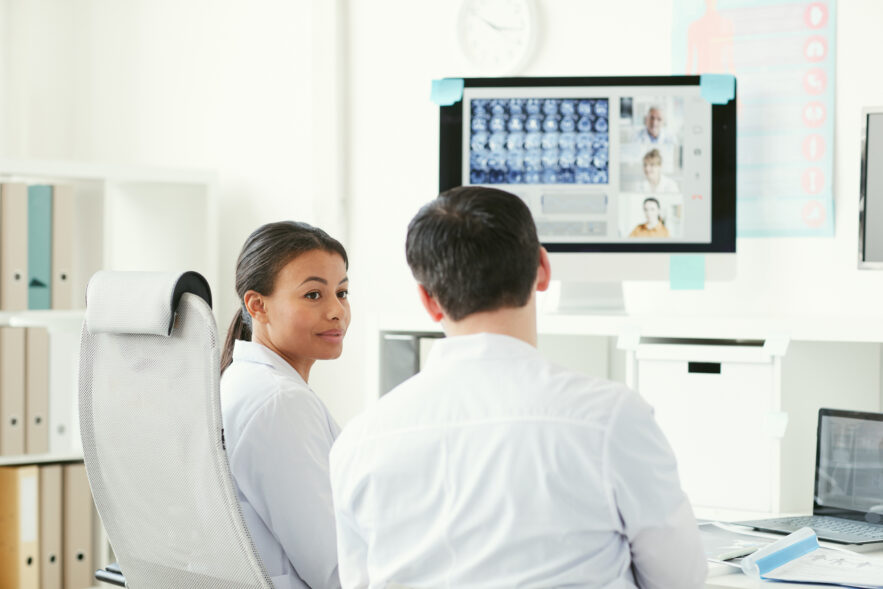
Efficiency and patient satisfaction are cornerstones of success in the dental industry. In today’s tech-driven world, dental offices are increasingly relying on hardware innovations to streamline operations, enhance patient care, and stay competitive. Smart hardware decisions can empower dental practitioners to maximize productivity, reduce downtime, and ultimately deliver a superior patient experience.
Here’s a guide to understanding the impact of hardware choices on dental practice performance and how to make informed decisions.
Why Smart Hardware Choices Matter
Every tool in a dental office serves a crucial role, from patient treatment and diagnostics to administrative functions. Investing in smart, intuitive hardware solutions can be the game-changer your dental practice needs. The right hardware can:
- Enhance Workflow Efficiency: Modern hardware solutions integrate seamlessly with software systems, automating routine tasks to save time.
- Reduce Operational Costs: Energy-efficient and durable devices lower utility expenses and need fewer replacements over time.
- Improve Patient Satisfaction: Advanced patient-care devices make treatments faster, smoother, and less invasive, leaving patients with a lasting positive impression.
- Support Scalability: Whether you’re opening a new practice or expanding an existing one, versatile hardware ensures you can scale without major reinvestments.
Choosing the right tools goes beyond picking technologically advanced options—it’s about aligning capabilities with your practice’s short-term goals and long-term vision.
Essential Smart Hardware for a Dental Practice
1. Intraoral Cameras and Imaging Systems
Modern intraoral cameras and advanced imaging systems offer high-definition visuals that assist dentists in diagnosing issues with greater precision. These tools not only improve the accuracy of care but also help in educating patients by providing clear visuals of their oral health concerns.
When selecting imaging equipment, check for compatibility with your practice management software. Devices that allow seamless data integration can drastically reduce documentation time.
2. Digital Radiography Equipment
Replacing traditional X-ray setups with digital radiography equipment is a core upgrade for most dental practices. Digital systems are faster, safer for patients (lower radiation doses), and environmentally sustainable. Additionally, high-quality imaging improves diagnostic accuracy and speeds up treatment planning.
Look for tools with adjustable configurations so you can accommodate both pediatric and adult patients without additional expenditures.
3. Smart Sterilization Systems
Sterilization is a critical yet time-intensive part of dental care. Smart autoclaves and sterilization units with automated tracking features can efficiently handle instrument sterilization cycles while maintaining compliance with industry standards. These systems issue real-time alerts for maintenance needs, helping you avoid costly equipment breakdowns.
Factors to Consider When Selecting Smart Hardware
While cutting-edge tools are appealing, choosing hardware for your dental office requires careful evaluation. Consider these factors to make informed decisions:
1. Integration Capabilities
Ensure the hardware can integrate with your existing practice management software. Seamless communication between tools minimizes disruptions and improves data flow.
2. User Training and Support
Even the best equipment is futile without proper usage. Opt for tools from vendors who provide comprehensive training for your team and offer reliable, ongoing technical support.

3. Cost vs. Value
While initial costs can be significant, smart hardware often pays for itself through reduced operational expenses and enhanced productivity. Calculate the long-term return on investment (ROI) to assess the true value of each purchase.
4. Patient-Centric Features
Hardware that focuses on improving comfort and convenience fosters a patient-centric environment. Whether it’s faster imaging systems or ergonomic equipment, prioritize features that enhance patient experience.
The Hidden Benefits of Proactive Hardware Upgrades
Beyond the obvious functional benefits, upgrading hardware can positively influence a range of practice areas. It positions your practice as modern and credible, attracting tech-savvy patients and improving employee morale. Team members are likely to work more efficiently and confidently with advanced tools at their disposal.
Moreover, proactive hardware investments prepare your practice for technological advancements and changes in dental industry regulations, avoiding future disruptions and costly overhauls.
Conclusion
Smart hardware choices are at the heart of optimizing dental office performance. By investing in tech-forward yet practical solutions, dental practitioners can deliver exceptional patient care, enhance operational efficiency, and maintain a competitive edge. Take the time to evaluate your current tools, identify areas for improvement, and consult trusted vendors for tailored recommendations.
In the fast-evolving world of dental care, strategic hardware decisions are not just upgrades—they’re investments in the future of your practice.