

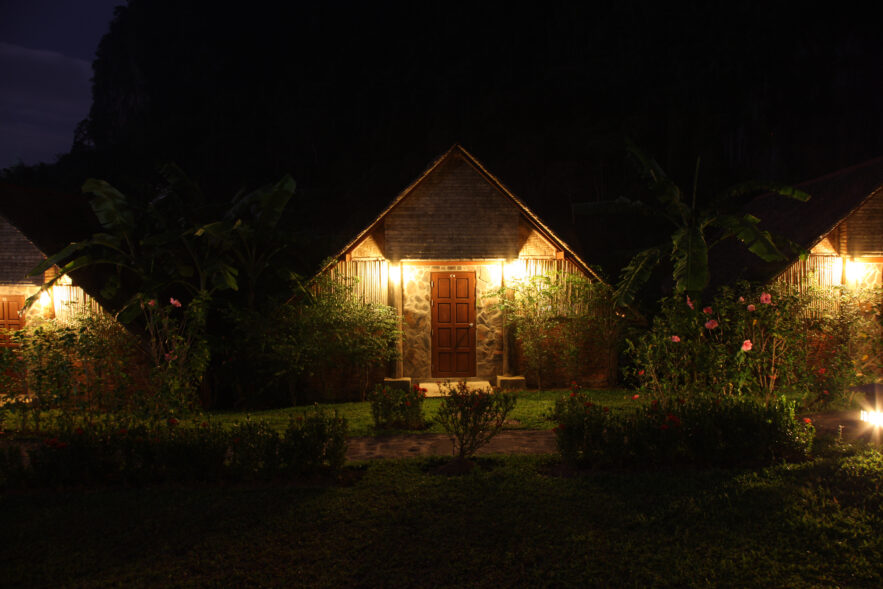
There is a disconnect in how we approach landscape design. We usually visit nurseries on Saturday mornings. We assess plants under the bright, unforgiving light of noon. We choose flowers based on how vibrant they look in the sun. But then, reality sets in. We work. We commute. For many of us, the only time we actually sit down to enjoy our outdoor space is after 7:00 PM. We pour a glass of wine, step out onto the terrace or patio, and… stare into a black void.
The vibrant purple petunias you fell in love with at the garden center have vanished into the shadows. The dark green hedges look like solid walls of gloom. The space feels uninviting, so we retreat back indoors.
This is a missed opportunity. Your outdoor space shouldn’t clock out just because you clocked out of work. By shifting the focus from daytime curb appeal to evening ambiance, a skilled garden designer can create a space that is actually more magical at midnight than it is at midday.
It’s called a nocturnal garden (or sometimes a moon garden), and it is designed specifically for the way modern homeowners actually live. Here is how to curate a landscape that comes alive in the dark.
1. Embracing the “Ghost” Plants
Color theory works differently at night. In low light, deep colors like red, violet, and dark blue are the first to disappear. They are swallowed by the shadows. If your garden is packed with crimson roses, they effectively become invisible once the sun sets.
To make a garden pop in the moonlight (or under soft landscape lighting), you need to lean into the high-albedo plants—the ones that reflect light.
- White is King: White flowers act like tiny lanterns in the dark. They catch even the faintest sliver of moonlight. Think big, architectural blooms like Annabelle hydrangeas or moonflowers (which literally open at dusk).
- Silver and Grey: Foliage is just as important as flowers. Plants with fuzzy, silver leaves reflect light brilliantly. Lamb’s ear, dusty miller, and Japanese painted ferns shimmer in the evening, creating texture and depth where green leaves would just look black.
- Variegation: If you love green, opt for variegated versions. Hostas with wide white margins or dogwoods with cream-tipped leaves provide a crisp definition that helps your eye navigate the space in the dark.
2. Fragrance
Sight is our primary sense during the day, but at night, our vision is compromised. This is when our other senses take over—specifically, smell.
Many plants have evolved specifically to be pollinated by moths and bats, meaning they only release their heavy, sweet scents after dusk. A daytime garden might smell like dirt, but a nocturnal garden should smell like perfume.
- The Heavy Hitters: Plant night-blooming jasmine or tuberose near your seating area. These scents are intoxicatingly strong in the cool evening air but often subtle or non-existent during the day.
- Placement Matters: Don’t hide these plants in the back corner. Place them in pots right next to the lounge chairs or the dining table. You want the scent to drift over you while you decompress from the day.
3. Lighting
There is a massive difference between lighting a parking lot and lighting a dinner party. Homeowners often make the mistake of installing harsh, high-wattage floodlights off the back of the house. While this is great for scaring away raccoons, it is terrible for relaxation. It flattens the space and creates harsh, scary shadows.
A nocturnal garden relies on layers of light that mimic natural luminescence.
- Moonlighting: This is a technique where lights are mounted high up in trees and aimed downward through the branches. It creates a dappled, soft shadow effect on the patio that looks exactly like a full moon, even on a cloudy night.
- The Glow Approach: Instead of aiming lights at things, try hiding the source. LED strip lighting tucked under the lip of a bench or a planter creates a floating effect. It defines the edges of the space without blinding you.
- Uplighting Structure: If you have a beautiful Japanese Maple or a piece of sculpture, place a light at the base, aiming up. This highlights the architectural structure of the bark or stone, turning it into a focal point against the dark sky.

4. Sound and Motion
Stillness can feel eerie at night. A silent garden can feel a bit too much like a graveyard. To make the space feel alive and welcoming, you need movement.
Since you can’t see the movement as well, you need to hear it.
- Ornamental Grasses: This is the secret weapon of the night garden. Tall grasses like Miscanthus or switchgrass rustle with the slightest breeze. That dry, whispering sound is incredibly soothing and masks the hum of distant traffic or city noise.
- Water Features: You don’t need a massive waterfall. A simple bubbling urn or a small fountain provides a consistent white noise. The sound of moving water triggers a primal relaxation response, making the garden feel like a sanctuary separated from the chaos of the world.
5. A Focal Point
We are hardwired to gather around fire. It provides warmth, light, and a focal point. In a nocturnal garden, a fire feature—whether it’s a built-in natural gas line fire pit or a simple copper bowl—anchors the “room.” It solves the practical problem of cool evenings, extending your outdoor season into the spring and autumn. But visually, the flickering flame creates a dynamic light source that dances off the white flowers and silver foliage you’ve planted nearby. It ties the whole design together.
Your Outdoor Living Space
Your home is your sanctuary, but if you are only using the indoor square footage, you are living in a smaller house than you paid for. Don’t let your terrace or backyard turn into a dead zone when the sun goes down. By shifting your perspective and designing for the second shift,—focusing on silver foliage, intoxicating scents, and ambient lighting—you can turn that dark window into a frame for a living work of art. The garden shouldn’t just be a view for your morning coffee; it should be the backdrop for your evening life.