

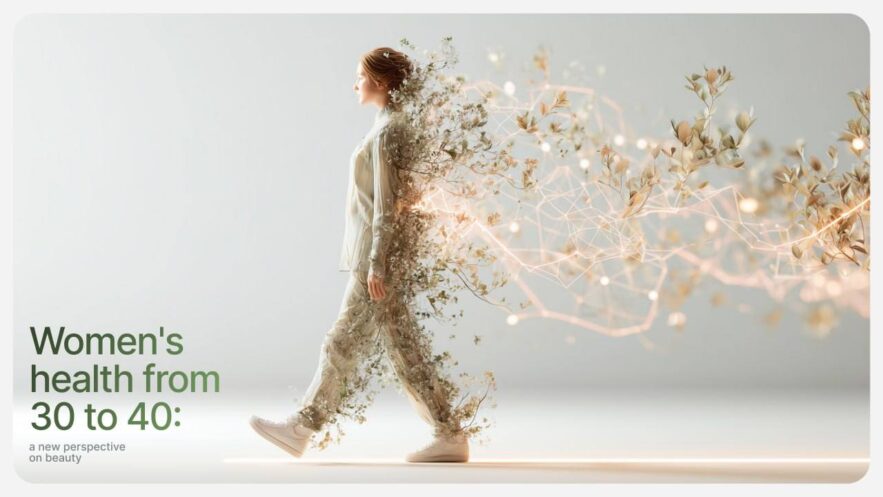
Careers soar, confidence deepens — and biology begins to shift quietly. The decade between 30 and 40 is when prevention works smartest. We spoke to biologist and Holivita co-founder Dmitry Chebanov about what really changes in a woman’s body during these pivotal years — and why these shifts can be seen as opportunity, not decline.
The Quiet Transition
For many women, their thirties feel like finally hitting their stride: careers gaining momentum, relationships maturing, and self-confidence settling in a way that felt out of reach in their twenties. Yet beneath this sense of peak performance, subtle changes are already underway.
“These changes happen so gradually, you may not notice them immediately,” explains Dmitry Chebanov. “The body begins moving into a different phase — not worse, not broken, just different. And this is when a woman can lay the foundation for how she’ll feel in her 50s, 60s, and beyond.”
The thirties are a unique window when preventive choices are particularly effective, and even small investments in health and beauty yield long-lasting benefits.
Skin, Collagen, and Inner Beauty
Between 30 and 40, beauty becomes more closely tied to internal processes. Facial lines appear, skin texture changes — not suddenly, but as a result of shifts in collagen and metabolism.
“Cellular aging doesn’t start at 60,” Dmitry notes. “It begins in the 30s. If we support our cells before damage accumulates, we’re not just ‘preventing wrinkles,’ we’re maintaining health.”
Key strategies:
- Antioxidants as defense. Berries, nuts, green tea, spinach — they shield cells from damage and premature aging.
- Support collagen. Collagen peptides strengthen skin and joints. Limiting sugar, especially in the morning, slows the stiffening of collagen.
- Strength creates beauty. Strength training supports bone density, posture, and muscle tone. Add stretching for balance.
- Daily protection. SPF is essential. Sunlight accelerates photoaging. Hyaluronic acid, peptides, and ceramides help skin stay resilient.
Energy & Mitochondria
Boundless energy in the twenties often shifts to slower recovery in the thirties. Fatigue may arrive even after an ordinary day.
“The efficiency of our mitochondria — our cellular power plants — gradually declines,” Dmitry explains. “That’s not failure. That’s biology. But we can support it.”
How to keep energy up:
- Fuel wisely. Antioxidant-rich foods, colorful vegetables, fatty fish, nuts.
- Coenzyme Q10. A supplement that boosts cellular energy — think of it as premium fuel for your body’s batteries.
- Movement as medicine. Regular, moderate activity supports cardiovascular and muscular systems better than extremes.
At Holivita, Dmitry’s team is exploring how individual genetics influence these pathways. The aim is not more hacks, but more precision — so in the future, every woman can receive guidance tailored to her biology.
Emotions & Hormones
After 30, many women notice emotions sharpen and stress hits harder. What once rolled off your shoulders can now unsettle the whole day.
“Your hormones are recalibrating their dialogue — estrogen and cortisol form a new dynamic that can make stress feel stronger,” Dmitry explains. “But this is also a time of deeper emotional intelligence. With the right support, women often discover clarity and resilience.”
Key strategies:
- Find a dopamine hobby. Creative work, sports, volunteering, learning — purposeful activity prevents emotional stagnation.
- Gratitude journaling. Not a fad, but a proven way to strengthen optimism. Five minutes at night can shift the tone of the whole day.
- Adaptogens & relaxation. Ashwagandha, rhodiola, meditation, breathing practices — all help the nervous system recover balance.
Science & Personalization
Generic health advice rarely fits everyone. Understanding your own biology is becoming essential.
“We’re not selling immortality,” says Dmitry. “We’re working to make science more compassionate, more human. Genetics, AI, and clinical research together are giving women a clearer picture of what’s happening inside their bodies — and what small, smart changes can make a difference.”
The future of health, he explains, lies at the intersection of big data and personal biology. Algorithms can highlight how your genetics shape your response to diet, exercise, or even caffeine. But the real goal isn’t technology itself — it’s self-awareness.
Self-Awareness Over Perfection
The decade from 30 to 40 is not decline, but transition. It’s the age when women can consciously shape how they want to age — with curiosity and care instead of fear.
“This isn’t a story of loss,” Dmitry says. “It’s biological adaptation. With the right support, the body develops new resilience, new wisdom, new ways of being powerful.”
Good nutrition, strength training, protecting your mitochondria, and caring for the nervous system form the foundation for long-term health. It’s not about chasing perfection — it’s about energy, balance, and confidence that last.
Because beauty after 30 is no longer about freezing time. It’s about moving with it — with science, with care, and with kindness to yourself.