

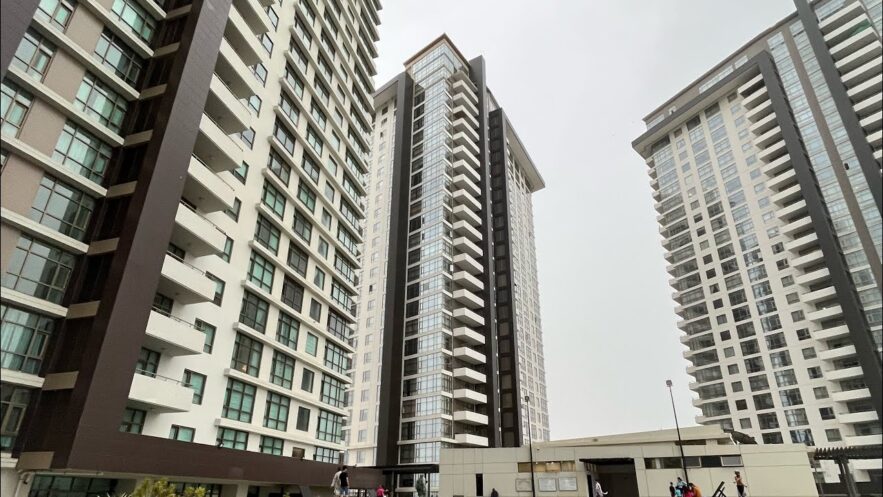
The way people invest in property in Pakistan is changing quietly but steadily. For years, the focus was on buying plots in developing areas and waiting for prices to rise. That approach still exists, but it is no longer the only path investors trust. Today, projects associated with insignia properties are part of a broader shift toward more practical and transparent real estate decisions.
Buyers are asking sharper questions now. They want to know what they are getting, when they will get it, and how it will perform over time.
Why Insignia Properties Reflects a New Investment Mindset
Real estate has always been one of Pakistan’s most popular investment options. It offers a hedge against inflation and a sense of security that other assets sometimes lack. But recent economic pressures have pushed investors to rethink how they approach property.
Inflation has raised construction costs significantly over the past few years. At the same time, regulatory scrutiny has increased, especially in major cities. These factors have made speculative buying less attractive and encouraged a move toward structured developments.
This is where insignia properties fits into the conversation. It represents a category of projects that focus on planning, documentation, and usability rather than just land acquisition.
A Shift Toward Completed and Near-Completion Projects
One noticeable trend is the growing preference for projects that are either completed or close to completion. Investors are less willing to lock their money into developments with uncertain timelines.
This shift is driven by experience. Delayed projects have made buyers more cautious, and many now prioritize reliability over potential high returns.
Demand for Transparent Transactions
Transparency is no longer optional. Buyers expect clear documentation, approved plans, and a straightforward purchasing process.
In cities like Karachi and Lahore, authorities have started tightening regulations around housing schemes. While enforcement is still uneven, awareness among buyers has improved significantly.
Urban Growth Is Reshaping Housing Preferences
Pakistan’s urban population continues to grow at a steady pace. According to estimates from the Pakistan Bureau of Statistics, major cities are expanding both in population and physical size.
This growth is changing how housing is designed and consumed.
The Rise of Apartment Living
Apartments were once seen as a secondary option in Pakistan. Many families preferred independent houses, even if it meant moving farther from city centers.
That mindset is evolving. Apartments are becoming a practical choice for several reasons:
- Proximity to business districts and commercial areas
- Lower maintenance responsibilities
- Better security in gated or managed buildings
- Access to shared facilities
This shift is particularly visible in Karachi, where land constraints make vertical development more viable.
Mixed-Use Developments Are Gaining Ground
Another trend is the rise of mixed-use projects that combine residential, commercial, and recreational spaces. These developments aim to create self-contained communities where daily needs are within walking distance.
For investors, this model offers two advantages. It increases rental demand and enhances long-term value.
Goldcrest Bay Sands and the Appeal of Coastal Projects
Karachi’s coastline has long been underutilized in terms of residential development. Despite being a major port city, it has relatively few projects that fully integrate waterfront living into modern housing.
That is starting to change with developments like Goldcrest Bay Sands. These projects are attracting attention because they offer something different from traditional housing schemes.
They combine location with lifestyle, which is becoming an important factor for buyers.
For those researching such developments, resources like insignia properties provide structured information about project details, helping investors make more informed decisions.
Why Waterfront Living Holds Value
Waterfront properties tend to retain value over time due to limited supply. They also offer a lifestyle advantage that appeals to both residents and tenants.
In Karachi, ongoing infrastructure improvements are gradually making coastal areas more accessible. This increases the attractiveness of such projects for long-term investment.
The Growing Influence of Overseas Investors
Overseas Pakistanis continue to play a significant role in the real estate market. According to State Bank figures, remittances remain a major source of foreign exchange, with billions of dollars flowing into the country each year.
A portion of this money is consistently directed toward property investment.
What Overseas Buyers Prioritize
Investors living abroad often have different expectations compared to local buyers. Their focus is usually on security and convenience.
Key considerations include:
- Verified legal status of the project
- Reliable construction timelines
- Flexible payment plans
- Property management services
Developers who address these needs are more likely to attract overseas investment.
Digital Access Is Changing the Buying Process
Technology has made it easier for overseas buyers to participate in Pakistan’s real estate market. Virtual tours, online documentation, and digital payment systems are reducing the need for physical presence.

This shift is making the market more accessible while also increasing competition among developers to maintain transparency.
Challenges That Still Matter
Despite these positive changes, the real estate sector in Pakistan is not without its challenges. Investors need to remain aware of these factors when making decisions.
Rising Costs and Affordability
Construction costs have increased due to inflation and currency fluctuations. This affects both developers and buyers, leading to higher property prices.
For middle-income buyers, affordability remains a concern, especially in major urban centers.
Inconsistent Regulation
While some progress has been made in regulating the sector, inconsistencies still exist. Approval processes and documentation requirements can vary between cities and authorities.
This makes due diligence essential for any serious investor.
Speculation Has Not Disappeared
Short-term trading and speculative buying still influence certain segments of the market. This can create artificial price increases that do not reflect actual demand.
Investors who focus on fundamentals rather than hype are better positioned to avoid these risks.
Where the Market Is Heading Next
Pakistan’s real estate market is gradually becoming more structured. This does not mean speculation will disappear, but it does mean that buyers have more tools and information to make informed decisions.
Urbanization will continue to drive demand for housing. At the same time, changing lifestyles will shape the type of developments that succeed.
Projects that offer a combination of location, planning, and transparency are likely to attract sustained interest.
Developers who fail to adapt to these expectations may find it harder to compete in the coming years.
Final Thoughts
The real estate sector in Pakistan is evolving in response to economic pressures, regulatory changes, and shifting buyer preferences. Investors are no longer relying solely on traditional models of property investment.
Instead, they are looking for developments that offer clarity, usability, and long-term value. That is why insignia properties has become part of ongoing discussions about where the market is headed.
For anyone considering property investment, the takeaway is straightforward. Focus on projects that are built around real demand and clear planning. Those are the developments that are more likely to hold their value and deliver consistent returns over time.