

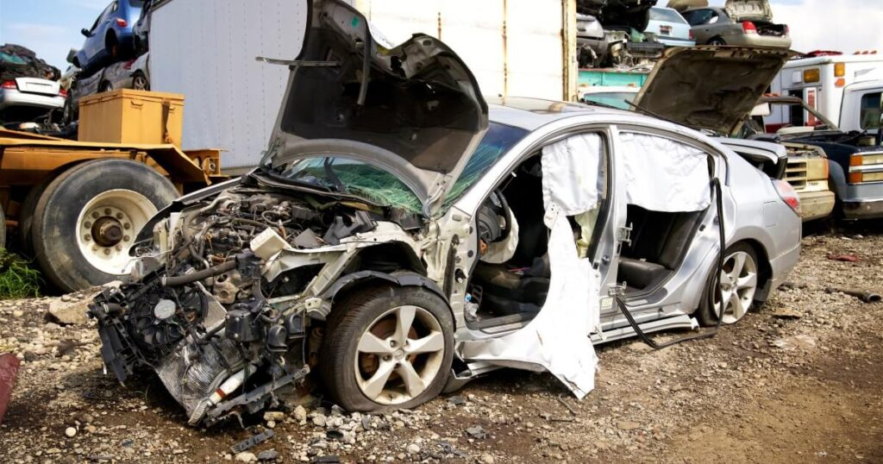
Getting into a serious car accident is stressful enough, but the situation can become even more complicated when the vehicle is declared a total loss and the loan on the car has not yet been fully paid off. Many drivers are surprised to learn that a totaled car does not automatically eliminate their financial responsibility for the remaining balance on the loan.
When an insurance company declares a car “totaled,” it means the cost of repairing the vehicle is higher than the car’s current market value, or close enough that repairs no longer make financial sense. Instead of paying for repairs, the insurance company typically pays the actual cash value (ACV) of the vehicle. This amount represents what the car was worth right before the accident, taking into account depreciation, mileage, and overall condition.
However, the actual cash value of a vehicle is often lower than the amount still owed on the loan. Cars lose value quickly during the first few years of ownership, and many loans are structured so that the borrower pays mostly interest early on. As a result, drivers may find themselves in a situation where the insurance payout is not enough to cover the remaining loan balance.
This situation is commonly referred to as being “upside down” or “underwater” on a car loan. For example, if the insurance company determines that the car was worth $15,000 before the accident but the owner still owes $18,000 on the loan, the owner may still be responsible for paying the remaining $3,000 balance even though the car can no longer be driven.
One possible solution in this situation is gap insurance. Gap insurance is designed specifically to cover the difference between the insurance payout and the remaining loan balance. If the driver purchased gap insurance when they bought the vehicle or added it to their auto insurance policy, the gap insurance provider may pay the remaining balance owed on the loan. This can prevent the owner from having to pay thousands of dollars out of pocket after a serious accident.
Unfortunately, not all drivers have gap insurance. In cases where gap coverage is not available, the remaining loan balance must still be paid. Some lenders allow borrowers to continue making payments on the remaining balance even after the vehicle has been totaled. Others may offer options such as refinancing the remaining debt into a new loan.
Another option some drivers consider is rolling the remaining balance into a new car loan. This means the leftover debt from the totaled vehicle is added to the financing for a new vehicle purchase. While this may provide a way to obtain a replacement vehicle quickly, it can also increase the total cost of the new loan and extend the repayment period.
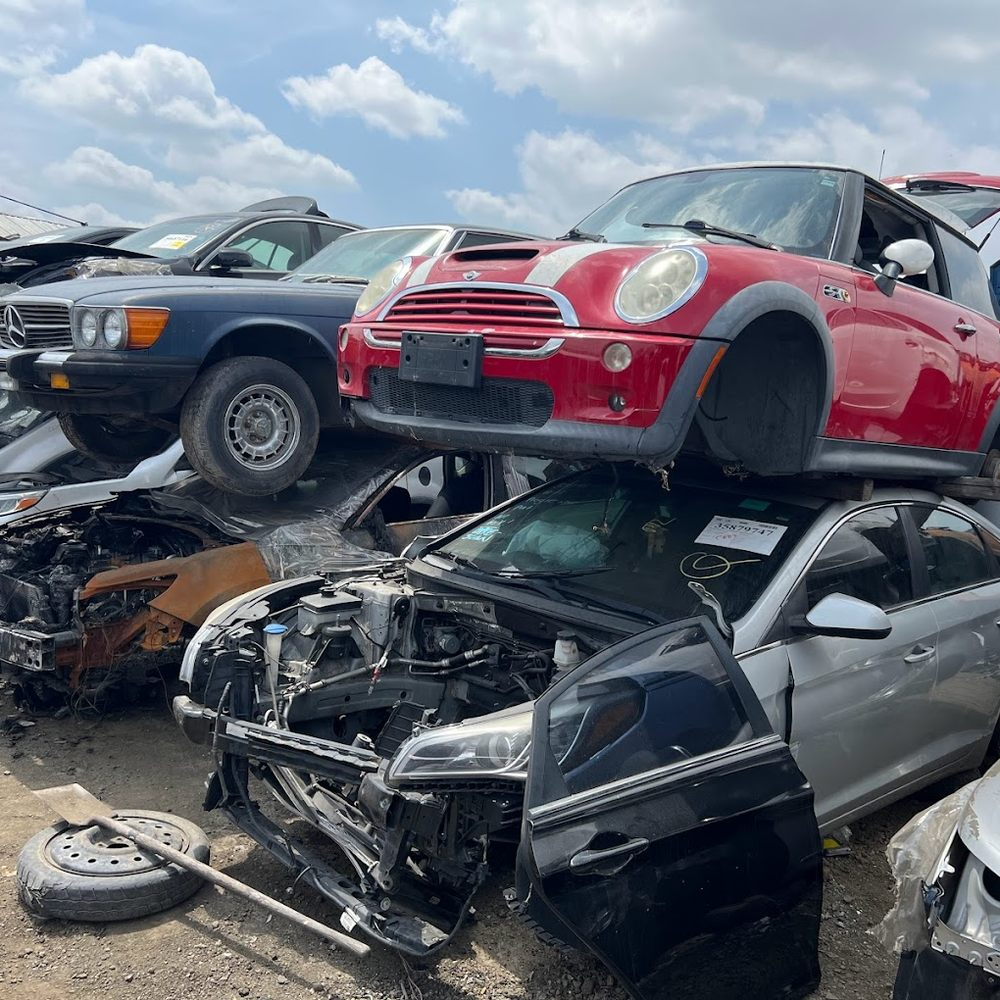
If the damaged vehicle still has some remaining salvage value, that may also play a role in the financial outcome. Insurance companies often take possession of totaled vehicles and sell them at salvage auctions to recover part of the payout. In some cases, the owner may have the option to keep the vehicle and accept a reduced insurance payment. This option is sometimes chosen by people who plan to repair the vehicle themselves or sell it for parts.

Before making any decisions, it is important for drivers to carefully review the details of their insurance policy and loan agreement. Understanding the exact insurance payout, the remaining loan balance, and any additional coverage such as gap insurance can help clarify the available options.
It can also be helpful to speak directly with both the insurance provider and the lender. Insurance adjusters can explain how the vehicle’s value was calculated, while lenders can discuss repayment options for any remaining loan balance. In some cases, lenders may be willing to negotiate payment terms to make the situation more manageable.
Although dealing with a totaled car that is not fully paid off can be frustrating, understanding the financial process can make it easier to navigate. Insurance payouts, loan balances, and additional coverage all play a role in determining the final outcome.
By reviewing insurance coverage carefully and exploring available options, drivers can minimize the financial impact and begin planning for their next vehicle.