

Key Takeaways
- Prioritize July and August if an Anan Bears Watching Tour is the main goal, because salmon runs and peak feeding activity make bear sightings more consistent during that short midsummer window.
- Check walkability early: the Anan Bears Watching Tour usually includes a short, managed walk that works for plenty of school-age kids and older relatives, but pace and comfort matter more than ambition.
- Respect the rules on any Anan Bears Watching Tour, since guided trail movement, no-food policies, and controlled viewing areas are what keep bears, black bears, and guests separated in a safe way.
- Plan around timing, not just interest, because an Anan Bears Watching Tour is a half-day wildlife outing with transit time on both ends—and that changes return-window decisions for families on tight schedules.
- Expect more than bears during peak season; an Anan Bears Watching Tour can also include eagles, seals, and sea lions, which makes the trip stronger for mixed-age groups who want steady wildlife action.
- Choose the month based on group style: July suits travelers who want the first strong wave of seasonal activity, while August often fits planners who want an Anan Bears Watching Tour with steadier expectations and clearer pacing.
Peak-season wildlife trips don’t stay open for long, and the Anan Bears Watching Tour is a perfect example. Families start circling July and August dates early for one simple reason: this is the narrow stretch when salmon pull bears into plain view, often for long enough that grandparents, teens, and camera-focused travelers all feel like the day delivered. Miss that midsummer window, and the same outing can feel a lot less predictable.
That demand isn’t driven by hype.
It’s driven by timing, trail controls, and the kind of logistics trip planners obsess over for good reason—walking distance, safety rules, transit time, and whether a mixed-age group can handle the pace without the day turning stressful. And here’s the honest answer: for the right group, it’s one of the clearest bear-viewing days on the calendar. But not every family is asking the right question. The better question isn’t just whether they’ll see bears. It’s whether the day works cleanly for the people they’re bringing.
Why the Anan Bears Watching Tour draws the most interest in midsummer
A family planner locks in shore timing, checks the walking distance, and asks the same question everybody asks: why do July and August dates disappear first? The short answer is simple. The Anan Bears Watching Tour lines up with the salmon run, and that changes what visitors can actually see.
Salmon runs create the tight seasonal window travelers care about
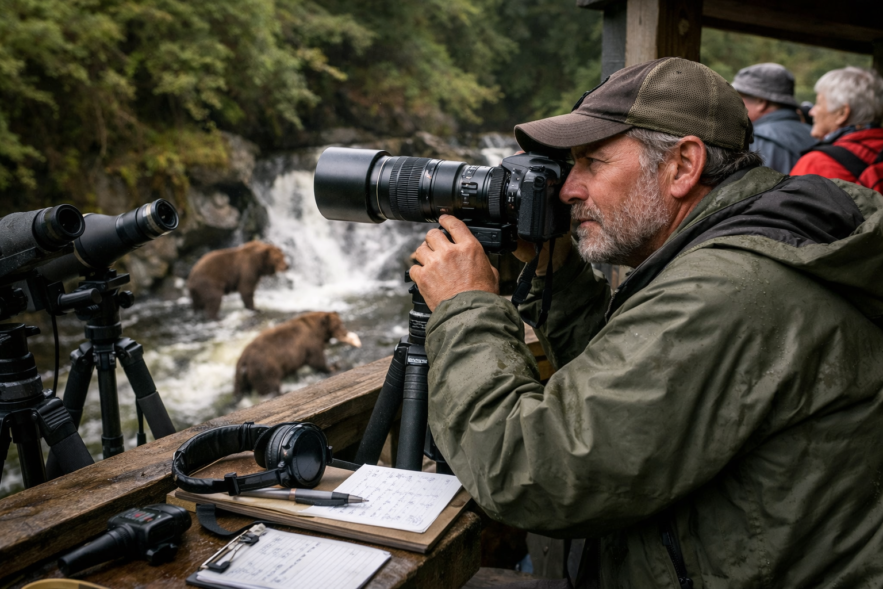
At Anan Creek, salmon pull in both black bears and brown bears, which is why the anan bear tour gets most attention in midsummer. Families comparing anan bear tours usually care less about rumors, country trivia, or strange search terms like polar, koala, mongo, osrs, jellycat, or bartholomew—and more about visible wildlife on a fixed date.
Bear activity is more visible in July and August than earlier in the summer
That visibility matters. The bears of anan are easier to watch once fish are moving in strong numbers, so the anan wildlife observatory becomes a sharper bet for groups with kids, grandparents, and tight return windows. Realistically, that is what makes an Anan Creek bear observatory tour feel less like a maybe and more like a well-timed plan.
Limited observatory access turns a wildlife outing into a date-sensitive plan
Access stays controlled, — that’s a big deal—only a set number of visitors can move through the trail and viewing area at one time. For trip planners weighing an Anan bear observatory experience, that cap is often the real story.
- Best-fit months: July and August
- Main reason: stronger salmon activity
- Planning tip: book once travel dates are firm
The phrases anan wildlife observatory tour — Anan Bears Watching Tour keep showing up in search because people want the same thing: a bear outing that feels safe, walkable, and worth the day.
What families want to know first: is the Anan Bears Watching Tour safe and walkable?
Yes.
The worry is understandable, because seeing bears this close sounds dangerous before the details are clear. The honest answer is that the Anan Bears Watching Tour is built around managed movement, tight rules, and guide-led spacing from dock to viewing deck.
How guided bear-viewing rules reduce risk on the trail and at the platform
On a well-run anan bear tours outing, families aren’t wandering on their own—guides control the pace, watch for animal movement, and keep food off the trail. That structure matters at the anan wildlife observatory, where people stay in designated viewing areas while bears of anan move through the creek below.
The Anan Creek bear observatory tour works best for groups that follow instructions fast. No drifting. No surprise snacks. Just simple trail discipline.
Experience makes this obvious. Theory doesn’t.
What the short walk feels like for grandparents, school-age kids, and mixed-pace groups
The land portion feels more like a short nature access path than a rugged hike. Families usually deal with a staircase, compacted gravel, and boardwalk sections—about the kind of footing school-age kids handle well and grandparents can often manage with a walking stick (and steady pacing).
- Best fit: kids 5 and up who can stay quiet
- Watch for: stairs, damp boards, waiting periods
- Helpful move: pack layers before the boat ride
Why age fit matters more than fitness for this type of bear outing
For the anan bear tour, age fit usually matters more than raw stamina. A child who can listen, pause, and stay calm does better than a stronger but impulsive walker, which is why families often rate the Anan bear observatory experience highly if they prepare kids for rules ahead of time.
Travel planners comparing options often start with an Anan wildlife observatory tour because it blends a short walk with long wildlife viewing time, not a long march.
The real planning issue behind Anan Bears Watching Tour demand: timing, permits, and group flow
The hardest part is timing.
- Transit time shapes the whole day: the Anan Bears Watching Tour usually involves about one hour out, one hour back, and several hours on site, so strict schedulers need a real buffer.
- Permit access caps how people move: the bears of anan draw heavy midsummer demand, — trail flow stays controlled for safety and spacing.
- Group splitting matters more than families expect: on busy dates, larger parties on an anan bear tour may not enter the trail as one block, which can change pacing for grandparents, kids, and the planner keeping everyone together.
Why a one-hour transit each way changes the day for cruise passengers and strict schedulers
Two transit legs turn a simple outing into a half-day commitment.
How trail-entry limits affect larger family groups traveling together
For multigenerational travelers, the issue isn’t whether anan bear tours are exciting. It’s flow. An Anan wildlife observatory tour may require staggered entry, and that can feel longer than the actual walk.
It’s a small distinction with a big impact.
What return-window planning should look like for travelers who hate tight connections
The smart rule is simple: build in at least 60 to 90 minutes of margin after the planned return. That approach makes the Anan bear observatory experience feel manageable, not rushed, especially for anyone asking whether the Anan Bears Watching Tour is safe, walkable, and age-appropriate.
What travelers actually see on an Anan Bears Watching Tour during peak season
Peak weeks can bring sightings of both bear species in a single viewing window, which surprises first-time planners who assume one species crowds out the other. On an Anan Bears Watching Tour, the draw is often salmon activity: that feeding pattern pulls wildlife into the same corridor and turns the day into more than a simple check-the-box stop.
Brown bears and black bears feeding in the same area
The clearest headline from an anan bear tour is this: travelers may watch brown bears and black bears feeding in the same system, sometimes within the same stretch of time.
For trip planners weighing anan bear tours, the real value is predictability: a managed boardwalk, ranger rules, and a set viewing area make the Anan Creek bear observatory tour easier to judge for mixed-age groups. The bears of anan are still wild. But the setting is structured.
Eagles, seals, sea lions, and other wildlife that can turn the ride into more than a bear trip
The boat portion often adds eagles, seals, — sea lions, which means the Anan wildlife observatory tour can feel like two outings in one. In practice, that broader wildlife mix helps kids and grandparents stay engaged even before the trail portion starts.
This is the part people underestimate.
What most people get wrong about “dangerous” wildlife viewing headlines and rumors
Rumors travel faster than trip details.
The honest answer is that scary headlines flatten the difference between unmanaged encounters and a guided Anan bear observatory experience, where rules, spacing, and timing reduce chaos for visitors who care about safety, walkability, and return windows.
How to decide if July or August is the better month for your Anan Bears Watching Tour
Think of this choice like a smart planning call: July suits travelers chasing early salmon activity and tighter permit calendars, while August fits trip planners who want steadier expectations. For families comparing an Anan Bears Watching Tour, the real question isn’t what sounds wilder—it’s who in the group can handle the timing, walking, and rules without the day turning stressful.
Choose July for early peak interest and fresh seasonal availability pressure
July usually brings the first big rush of demand for an anan bear tour, and that matters because the anan wildlife observatory runs on controlled access. The bears of anan are active around salmon, and planners who wait too long often find the best dates gone fast.
- Pick July for first-choice calendars and high excitement.
- Best for older kids, teens, and adults who do well with structure.
- Less ideal for toddlers or anyone uneasy around strict wildlife rules.

Choose August for strong bear viewing and steadier expectations from trip planners
August tends to work better for groups that want less guesswork. An Anan bear observatory experience in August still offers strong sightings, but expectations are usually more grounded—good for grandparents, mixed-stamina groups, and planners who care about pace more than hype. In practice, that makes many anan bear tours feel easier to compare.
The search-intent answer: who this tour fits best, and who should pick a different wildlife day
An Anan Creek bear observatory tour fits travelers who want a managed wildlife setting, can follow guide direction, — are comfortable with a short walk. An Anan wildlife observatory tour may not fit infants, guests with major mobility limits, or anyone expecting a casual stroll. That’s the honest answer.
Frequently Asked Questions
Is the Anan Bears Watching Tour safe for families?
Yes—if the family is comfortable following rules closely. The Anan Bears Watching Tour takes place in a managed bear-viewing setting with guides, controlled trail access, — strict food rules, which lowers risk and keeps the day orderly. Very young children usually aren’t the best fit, and school-age kids who can stay quiet and listen tend to do much better.
How much walking is involved on an Anan Bears Watching Tour?
Less than a lot of people expect.
The land portion is a short staircase plus about a half-mile walk on compacted gravel and wooden boardwalk sections, so for most travelers it feels closer to a steady nature walk than a hike. Walking sticks can help if someone in the group wants extra balance support.
Is the Anan Bears Watching Tour age-appropriate for grandparents and mixed-age groups?
Usually, yes. For multigenerational groups, the bigger question isn’t age—it’s mobility, stamina, and comfort with a few hours of structured wildlife viewing. In practice, active grandparents and kids around age 5 and up are often a solid match for this kind of outing.
What will travelers actually see on an Anan Bears Watching Tour?
The headline draw is bears, — travelers may see both black bears and brown bears feeding on salmon near the observatory. There are often other sightings too—eagles, seals, and sometimes sea lions during the boat ride. Realistically, no wildlife trip can promise a perfect script, but this setting is built for close, natural viewing.
This is the part people underestimate.
How long does the Anan Bears Watching Tour last?
Plan on a half-day block, usually about 5 to 6 hours from departure to return. That includes the boat ride both ways — roughly three hours at the observatory, which is enough time for the day to feel meaningful without wearing out the whole group. That’s a big deal for planners juggling return windows.
Is the Anan Bears Watching Tour physically hard?
No. It’s better described as moderately active than hard. Most guests handle it well, — anyone who struggles with stairs, uneven footing, or standing for stretches should ask detailed mobility questions before booking.
What should families bring for an Anan Bears Watching Tour?
Bring weather layers, a waterproof outer shell, a camera, and any personal items needed for a cool, damp day on the water. Food usually isn’t allowed on the trail or at the viewing area, so families should plan meals and snacks around the tour window instead of assuming they can eat throughout the outing. Small detail, big difference.
Do large family groups stay together on the Anan Bears Watching Tour?
Not always. Trail access is often managed in small batches, so bigger groups may be split for part of the experience even if they travel together for the outing itself. That’s normal—and honestly, it usually makes the viewing area calmer and easier for everyone.
Is the Anan Bears Watching Tour a good choice for travelers worried about logistics and timing?
Yes, and that’s one reason this tour keeps getting attention. Families comparing wildlife outings usually care less about flashy marketing and more about return windows, meeting points, and whether the day feels predictable; this tour format tends to answer those concerns well when run by an experienced operator. Muddy Water Adventures has emphasized that kind of logistics-first planning in its guest information.
The pattern is pretty simple once the moving parts are clear. For families, that matters just as much as the bears themselves. The day works best for groups who want a guided setting, can handle a short managed walk, and need solid expectations around timing, trail flow, and return plans.
And the safety question usually has a more practical answer than people expect. This isn’t a free-roaming wildlife stop where guests are left to figure things out on their own—it’s a structured outing with rules, escorts, and a pace that tends to suit school-age kids, grandparents, and mixed-stamina groups better than rumor would suggest. What changes the decision isn’t hype. It’s fit.
That’s how smart planners get the right day—and avoid missing the season’s narrow sweet spot.
For more great reading, visit our site and explore related topics.