

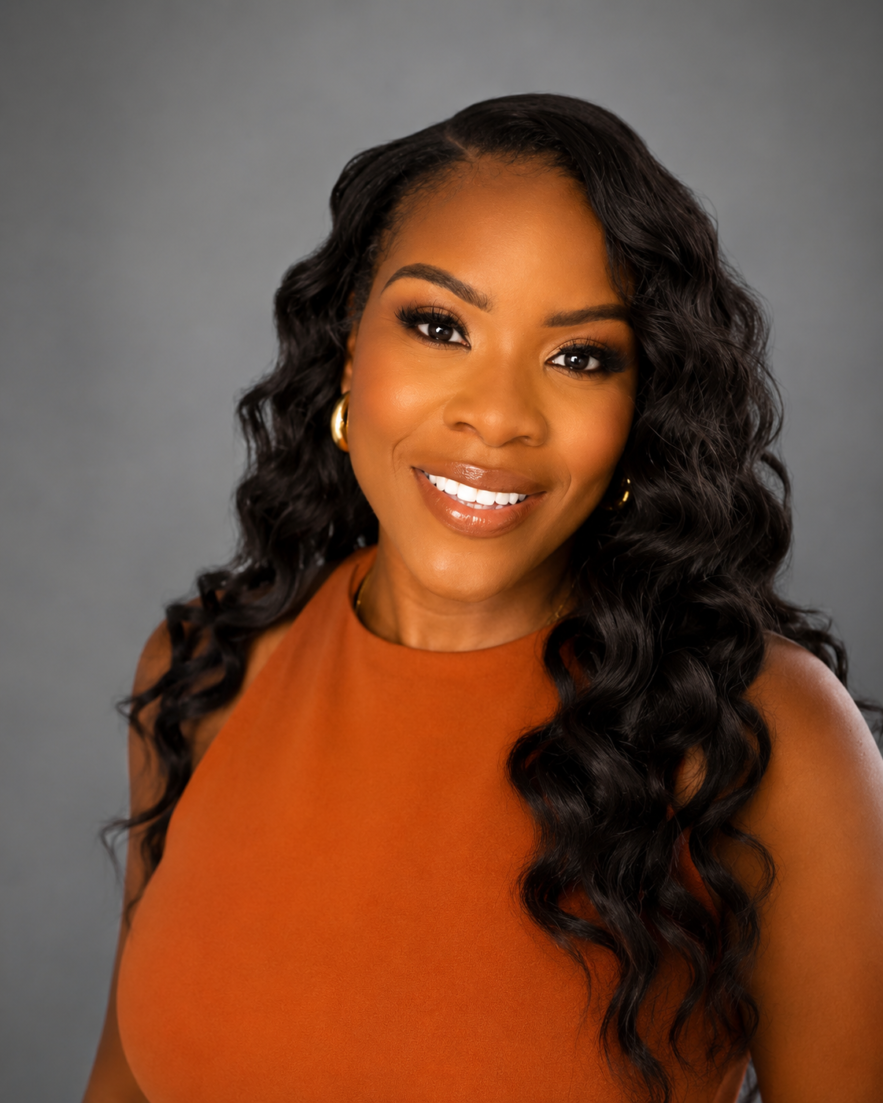
When clients find Cherry Blossom Healing through Psychology Today, they’re not just looking at another name on a directory listing. They’re seeing something that remains surprisingly rare in mental health care: a practice that was designed, from day one, around the principle that the right therapist for the right client actually matters more than an available timeslot. Jhiree Jones, the licensed therapist, National Board Certified Counselor, and school counselor behind the practice, didn’t stumble into this model. She built it deliberately, recruiting specialists who bring language, cultural background, and clinical depth to a client base that’s been underserved for years across New Jersey.
What started as a single office in Bergen County eventually expanded to four separate in-person locations before COVID changed the landscape. When the pandemic forced practices to choose between closing doors or adapting quickly, Jones pivoted the entire operation to a virtual-first model. The overhead disappeared. The reach expanded beyond county lines. And the intake channel that had always been strong became dominant: today, over 90% of Cherry Blossom Healing’s clients arrive through Psychology Today profiles, searching for therapists who specialize in grief, trauma, anxiety, depression, and who understand the cultural context they’re coming from.
Building a Practice Around Real People, Not Just Open Slots
The core philosophy at Cherry Blossom Healing isn’t complicated. I built my team strategically to preserve the quality, accessibility, and personalized care my clients deserve — not simply to increase our size. The practice roster includes a Spanish-speaking therapist, a culturally competent team that has drawn interest from high-profile communities — including an inquiry from the production team of The Real Housewives of New Jersey, which explored the practice’s expertise in addressing complex family, cultural, and relational dynamics — and specialists trained in the areas clients actually need help with when they finally decide to ask for it.
That last part matters more than it might seem. Jones works as a school counselor during the day, just 5 miles from the practice office, which means she sees firsthand what happens when young people don’t have access to the right kind of care. She watches students struggle with overwhelm, identity questions, family tension, and the pressure that comes with being part of a generation more willing to seek therapy than any before them. But being willing doesn’t guarantee finding the right fit. Most young adults searching for help end up with whoever has an opening, not whoever is equipped to understand what they’re carrying.
Cherry Blossom Healing was built to close that gap. The practice operates on the belief that cultural competency isn’t something you add as a footnote to a bio. It’s something you recruit for, train around, and structure your intake process to support. When a prospective client calls Cherry Blossom Healing’s assistant, they’re not being assigned to the next available therapist. They’re being matched based on specialization, language, background, and the specific reason they reached out in the first place.
What Happens When You Build for the Margins
The inquiry from the production team of The Real Housewives of New Jersey wasn’t a publicity stunt. It was proof that when you staff a practice with therapists who bring cultural depth and lived experience to the table, word spreads. Cherry Blossom Healing had become one of the only accessible options in the area for clients looking for someone who understood not just the clinical side of therapy, but the cultural weight that comes with seeking it in the first place.
That dynamic plays out across the practice. The Spanish-speaking therapist serves a community that has historically faced language barriers when trying to access mental health services. The grief and trauma specialists work with adults navigating loss, divorce, career collapse, and health diagnoses who delayed seeking help until they couldn’t anymore. Each therapist isn’t just clinically trained. They’re positioned to meet clients where the need is most specific and most urgent.
Jones has also taken her expertise beyond the practice itself. She authored a book, My Current Past, hosted a sold-out self-care conference at a university, and appeared on panels discussing mental health accessibility and practice sustainability. But the core work remains the same: ensuring that when someone is ready to ask for help, there’s a place that actually sees them and a therapist who can meet them without forcing them to translate their experience into something more palatable or generic.
From Local Practice to National Profile

Cherry Blossom Healing is now positioned to expand its visibility without losing the structure that made it work in the first place. Licensed in New Jersey, the practice serves clients across a range of communities throughout the state, including urban, suburban, and more rural areas, accepting insurance and offering virtual sessions that remove the friction of commuting to an office. Virtual therapy also expands access to care for individuals in rural or remote areas where mental health services may be limited. It can also be especially helpful for those in small communities where privacy feels difficult, allowing clients to receive support discreetly through Cherry Blossom Healing. The Psychology Today profiles that drive the majority of intake are optimized not just for search, but for connection. Prospective clients don’t just see credentials. They see specificity: what each therapist specializes in, who they’ve worked with, and what kind of care they provide.
As Jones moves into larger platforms, the message doesn’t shift. I built my practice to solve a specific problem: helping people find therapists who understand them, not just therapists who have time. That principle scales. Whether she’s speaking on a podcast, appearing on local television, or contributing to national publications, the story remains grounded in what she sees every day working inside a school and running a practice that prioritizes quality over accessibility.
The model works because it was never about growth for its own sake. It was about building something that lasts because it serves the people who need it most. And in an industry where “cultural competency” often appears as a checkbox on a website, Cherry Blossom Healing stands out by doing the harder, quieter work of actually staffing for it, training around it, and letting it guide every hiring and matching decision the practice makes.
That’s not a buzzword. That’s infrastructure. And it’s the reason people keep finding Cherry Blossom Healing when they’re ready to stop settling for whoever has an opening and start working with someone who actually gets it.