


The Birth Certificate Moment in Dance… And Why Parents Finally Have an Option
Every child already has a verified record of who they are and how old they are. It exists from the moment they’re born, and it’s trusted across schools, sports, travel, and healthcare.
But in competitive dance, parents have never had a clear, consistent way to use that level of verification — even if they want to.
That’s the gap.
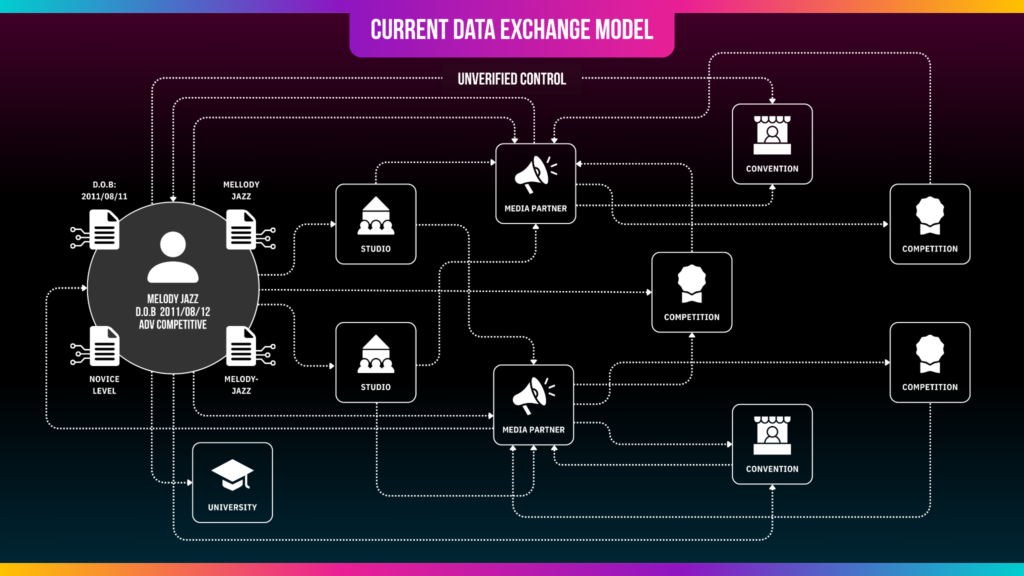
Right now, a dancer’s age, level, and identity are often entered and re-entered across multiple systems, with no shared verification layer. It leaves room for simple mistakes, inconsistencies, and unnecessary exposure of personal information. And while the industry has done its best with the tools available, the reality is this: there has never been a centralized, privacy-compliant way for parents to say, “this is my child — verified, protected, and consistent everywhere they compete.”
Until now.
The International Competitive Dancer Registry (ICDR) introduces a new option: a secure, verified danceID that allows parents to confirm their child’s identity once using trusted documentation like a birth certificate without repeatedly sharing sensitive information.
Not a requirement or a replacement for how studios or competitions operate, an option.
A layer parents can choose to use when they want more certainty, more consistency, and more control.
With a danceID:
- Age is verified once, not self-reported over and over
- Participation history stays consistent across events
- Guardian relationships can be confirmed for safer media access
- Personal data is protected instead of repeatedly distributed
It functions like a birth certificate does everywhere else — not something you hand out constantly, but something you can rely on when verification matters.

And increasingly, it does.
As digital sharing, livestreaming, and AI-driven content expand, the need for privacy-compliant systems is no longer theoretical. Parents are being asked to trust processes that were never designed for this level of exposure. Having a verified identity option helps bring the industry closer to the standards already expected in every other youth environment.
This isn’t about enforcing a new rule. It’s about offering a tool that didn’t exist before.
For parents who want it, the ability to verify once and carry that protection forward changes everything from fairness in competition to confidence in how their child’s information and media are handled.
That’s the shift.
And for the first time, it’s in parents’ hands.