

Fragrance trends usually come and go with the seasons. In 2026, however, one category has grown faster than any other, and it draws on centuries of tradition rather than a passing social media moment.
|
What to know
|
What the Data Shows
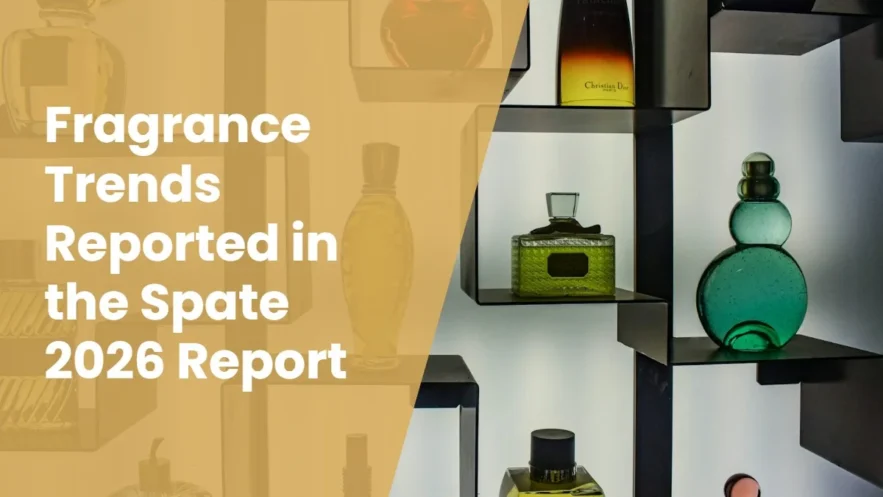
Esquire India reported that Spate’s 2026 Fragrance Trends Report names Middle Eastern perfumes as the biggest growing trend this year. Spate tracks year-on-year growth in consumer interest across search and social media, which gives its reports a useful view of what people are actively looking for.
The growth covers oud, amber, musk and the vanilla-rich blends associated with perfume houses across the Gulf region. Many shoppers who first discovered these scents through social media are now buying them regularly.
Cosmetics Business noted that the #oudperfume hashtag has 67 million posts on TikTok, a sign of how widely the topic is discussed online.
Interest is strong among younger shoppers in particular, many of whom discover these scents through reviews, layering videos and recommendations from friends.
Luxury Retailers Take Notice
Major retailers have responded. Harrods published a 2026 guide to trending oud fragrances, organised by style, from amber and floral ouds to fruity, smoky and gourmand interpretations. The guide reflects how oud has become a staple of luxury fragrance counters rather than a specialist interest.
Designer brands and niche houses alike now offer oud fragrances, and many new launches each year include the note in some form.
For shoppers, that variety means it is easier than ever to find an oud style that suits personal taste.
Why Alcohol-Free Formats Are Growing
Many traditional Middle Eastern perfumes come as oils or attars rather than alcohol-based sprays. These formats are long-lasting, sit close to the skin and suit people who prefer to avoid alcohol for religious, cultural or skin-related reasons.
As interest grows, more shoppers are discovering alcohol-free perfume options, which offer a gentler alternative to conventional sprays.
Oils are applied with a small applicator or fingertip and develop slowly over several hours.
Alcohol-free formats also tend to be less drying on the skin, which is one reason some people with sensitive skin prefer them.
A Guide for Newcomers
For people trying Middle Eastern perfume for the first time, the range of styles can be confusing. Some are intense and smoky, others soft and sweet. Starting with a balanced blend and testing it on skin over a full day is a sensible approach.
This complete oud perfume guide explains the main types and how they are typically worn.
Samples and smaller sizes make it easier to compare several fragrances before choosing a favourite.
Tradition Behind the Trend
Although the growth is recent, the tradition is ancient. Oud has been used in perfumes, incense and ceremonies for centuries across the Middle East and Asia, and many of the techniques used to distil it have been passed down through generations of craftsmen.
This article on the ancient art of oud explains how a centuries-old scent became one of modern perfumery’s most prized ingredients.

That depth of history gives Middle Eastern perfume a sense of authenticity that many shoppers find appealing.
Changing Tastes in Western Markets
In Western markets, the trend reflects a shift away from light, fresh fragrances towards richer and more distinctive scents. Shoppers increasingly want a fragrance that feels personal and memorable rather than safe and familiar.
Unisex positioning has also helped. Harper’s Bazaar India reported in January 2026 that boundaries between masculine and feminine fragrance are dissolving, and many Middle Eastern perfumes have always been worn by everyone.
Social media has accelerated discovery, with reviewers sharing layering tips, comparisons and recommendations.
Layering, in which two or more fragrances are combined, has become especially popular, with oud often used as a base under lighter scents.
What Shoppers Should Keep in Mind
Popularity brings more products, but quality varies. Shoppers should ask whether oud is natural or synthetic, check concentrations and read reviews from people with similar tastes.
Price is not always a reliable guide to quality. Some smaller producers offer carefully made oils at reasonable prices, while some heavily marketed products rely more on branding than ingredients.
Storing fragrance away from heat and light helps preserve it, especially for oils that can deepen over time.
Buying from retailers who can describe the origin and composition of a fragrance gives shoppers more confidence in what they are paying for.
A Trend With Staying Power
Spate’s finding that Middle Eastern perfumes are the fastest-growing fragrance trend of 2026 reflects a lasting shift in how people choose scent. Backed by centuries of tradition, strong online interest and attention from major retailers, the category looks set to remain influential.
For shoppers, it is a good time to explore a style of perfume with a long history and a growing following.