

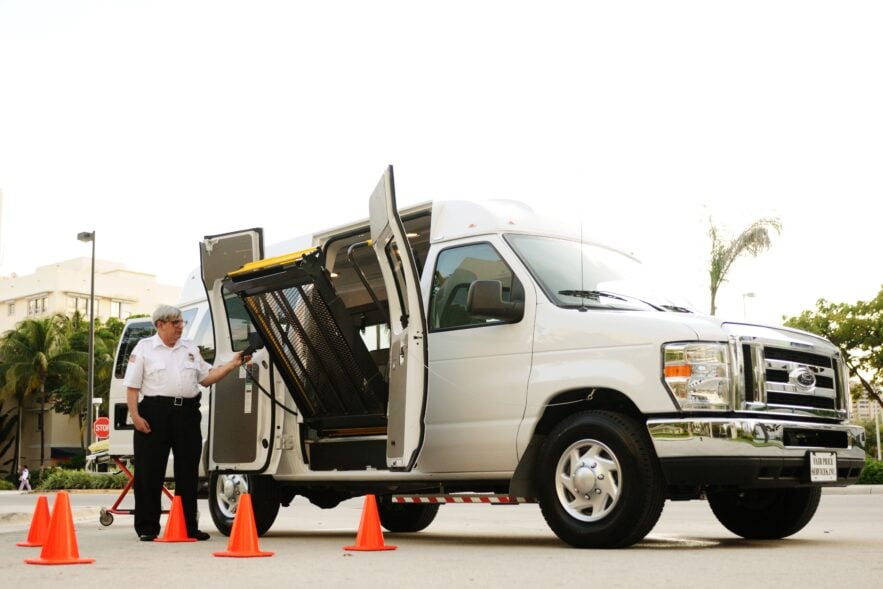
Getting from point A to point B is a fundamental part of daily life. For most of us, hopping in a car or catching a bus happens without a second thought, but for individuals who rely on specialized transit, the journey often looks much different. Whether heading to a medical appointment, a family gathering, or just running errands, passengers with mobility challenges deserve to experience the same level of comfort and respect as anyone else on the road. Providing a high-quality accessible transportation service goes far beyond just operating a vehicle with a wheelchair ramp. It requires a deep commitment to preserving the passenger’s dignity at every step of the trip. True accessibility is about empowering individuals, fostering independence, and treating people with the utmost respect. Here’s how we can ensure every ride honors the dignity of the passengers who need it.
Speak Directly to the Passenger
One of the most common mistakes people make when interacting with someone who requires mobility assistance is talking past them. If a passenger travels with a caregiver or a family member, drivers often default to addressing the companion. Asking a caregiver if the passenger is ready to board completely strips the individual of their agency.
To maintain dignity, you must address the passenger directly. Make eye contact, introduce yourself, and speak to them just as you would speak to any other client. If they have a speech impairment or take a little longer to respond, practice patience. Give them the time they need to communicate their preferences. Acknowledging their presence as the primary customer validates their independence and sets a respectful tone for the entire journey.
Always Ask Before Offering Physical Help
It’s natural to want to help someone who appears to be struggling with a door or a ramp. However, assuming that a person wants or needs physical intervention feels incredibly invasive. Grabbing the handles of a wheelchair without permission or touching someone to guide them removes their physical autonomy. For many individuals, their mobility device is a strict extension of their personal space.
Before you step in, simply ask if they would like some assistance. If they say no, respect their boundaries and let them navigate the boarding process on their own. If they say yes, ask them exactly how they would like to be helped. Everyone has different physical capabilities and preferences. Following their lead ensures they remain in control of their own body and movement, which is a cornerstone of personal dignity.
Prioritize Punctuality and Reliability
Time is valuable. When an individual books a ride, they’re trusting the provider to get them to their destination safely and on schedule. Unfortunately, many specialized transit options are notorious for long wait times, delayed pickups, and unpredictable schedules. Leaving someone waiting on a sidewalk in the hot sun or making them late for a medical appointment is a fast way to make them feel undervalued.
Reliability is a direct reflection of respect. When drivers show up on time, communicate clearly about any unexpected traffic delays, and manage their routes efficiently, it sends a clear message that the passenger’s time matters. Dependable service removes the anxiety from travel, allowing passengers to plan their days with confidence instead of worrying about whether their ride will actually show up.
Maintain a Comfortable and Clean Environment
The physical state of the vehicle plays a huge role in how a passenger feels during their trip. A van that is dirty, cluttered, or poorly maintained feels neglected. If the tie-down straps are frayed or the climate control barely works, the passenger is forced to endure an uncomfortable and undignified ride.

Operators must take pride in their fleet. Vehicles should be spotlessly clean, smelling fresh but not overpowering, and climate-controlled to suit the passenger’s comfort. The equipment used to secure wheelchairs must be well-maintained and operated smoothly. When a driver takes the time to ensure the cabin is at a pleasant temperature and the radio is set to a reasonable volume, it transforms a basic medical transport into a premium, respectful experience. It shows the passenger their comfort is a top priority.
Cultivate a Culture of Patience
Traveling with a mobility challenge naturally takes a bit more time. Loading a wheelchair safely, securing the safety harnesses, and ensuring the passenger feels secure can’t be rushed. If a driver looks at their watch, sighs, or rushes through the safety protocols, it makes the passenger feel like a burden. Nobody wants to feel like they’re holding up the day.
Transit professionals must cultivate genuine patience. The loading and unloading process should feel calm and methodical. Taking an extra few minutes to double-check a seatbelt or adjust a ramp should be done with a smile, not a grimace. When staff treat the process as a standard, stress-free part of the job, passengers can relax knowing they’re in safe, capable hands.
Providing transportation is about much more than covering the miles between a home and a clinic. It’s about connecting people to their communities, their families, and their essential care. When we prioritize clear communication, respect personal boundaries, and maintain high standards of service, we elevate the entire experience. Every individual deserves the freedom to travel safely and comfortably. By keeping dignity at the forefront of every interaction, we ensure mobility challenges never define how a person is treated on the road.