

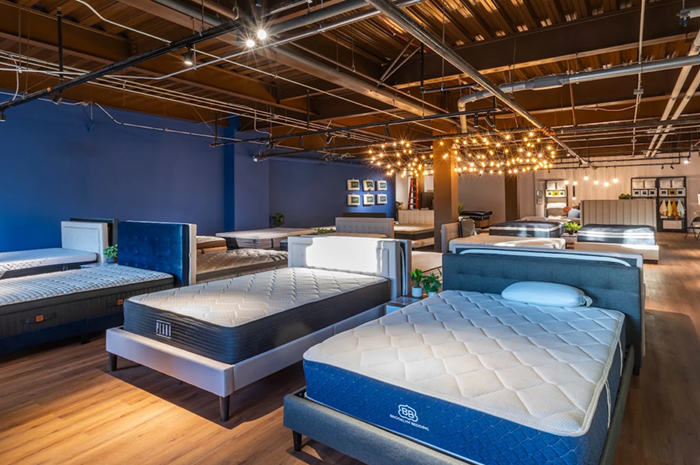
SleePare built a 10-showroom network by turning online-only mattress brands into an in-store experience. Instead of selling one manufacturer’s beds, each showroom lets shoppers test several direct-to-consumer brands side by side and buy at online prices. That solved the one thing online mattress shopping could not offer: lying on a mattress before ordering it.
Founder and CEO Shanir Kol opened SleePare’s first showroom in Manhattan in 2018. The company has since expanded to 10 U.S. locations, from New York City and Los Angeles to Chicago, Dallas and Seattle.
The Problem Shanir Kol Saw in the Online Retail Space
Online mattress shopping removed much of the friction from buying a bed. Customers could compare
● Materials
● Firmness Ratings
● Reviews
● Prices
All without visiting a store
The limitation was simple. A product page could describe a mattress, but it could not recreate the experience of lying on it.
The distinction matters more with mattresses than with many other products. Comfort, support, and firmness are experienced differently from person to person.
Kol had already seen a similar challenge in furniture retail. His earlier work with the “Try and Buy” concept gave him a way to approach a mattress category that was increasingly moving online.
Instead of moving online mattress brands into traditional retail, he created a showroom where customers could experience several brands in one place.
From Furniture Retail to the “Try and Buy” Model
Kol’s entrepreneurial career began in 1999. He started with 4rihut.co.il, a high-end furniture retail business that became an early example of his “Try and Buy” model.
“My determination was always to help customers make informed and risk-free decisions while purchasing things,” Kol told CEOWORLD magazine in a 2022 interview.
The idea was simple. Customers should have an opportunity to experience a product before committing to it. Kol spent 14 years developing that model in Israeli furniture retail. He then brought the principle into the U.S. mattress market.
In 2017, the concept moved toward mattresses through a review platform powered by machine learning and real buyer insights. In 2018, SleePare opened its first showroom in Manhattan.
The showroom brought multiple premium online mattress brands into one physical location. It was not built around one manufacturer. It is built around comparison.
SleePare’s Growth From One Showroom to 10
SleePare’s growth followed the same basic idea. Online shoppers could discover mattresses digitally, then use a physical showroom to evaluate them before making a decision.
Its current locations include New York City, Seattle, Los Angeles, Boston, Tysons Corner, Miami, Chicago, Long Island, Dallas and San Francisco.
SleePare’s Growth Timeline
Before SleePare
Kol develops the “Try and Buy” model through furniture retail in Israel.
↓
2017|The idea enters the U.S. mattress market
Kol brings the concept into the mattress category through a review platform using machine learning and real buyer insights.
↓
2018|The first SleePare showroom opens
The first Manhattan showroom gives customers a physical place to test multiple online mattress brands.
↓
Expansion|The model moves across U.S. markets
SleePare expands the showroom concept into additional markets, creating physical touchpoints for brands built primarily around online sales.
↓
Today|10 showrooms and 15+ mattress brands
SleePare operates 10 U.S. showrooms and offers access to 15+ mattress brands.
The physical locations were not created to reverse the shift toward online shopping. They were created to address something online shopping could not provide.
Why Online-First Brands Need a Physical Touchpoint
Many direct-to-consumer mattress brands were built around online discovery and purchasing. Their websites could provide product information, reviews, pricing, and delivery options.
What they could not provide was a physical place to test the product. SleePare creates that physical touchpoint without requiring each participating brand to build its own showroom network.
The model gives online-first brands access to:
● Physical product testing
● Side-by-side comparison
● Local customer discovery
● In-person guidance
● A connection between online research and physical evaluation
The showroom therefore serves a specific purpose. It adds the physical part of the buying process without replacing the digital one.
The Los Angeles Showroom Brings the Model to the West Coast
Los Angeles provides a clear example of how the SleePare model works in a local market.
The company’s Los Angeles showroom gives shoppers a place to test online mattress brands and compare them in person. The location currently features brands including Casper, Avocado, Helix, Nectar, Puffy, WinkBeds, Leesa, DreamCloud, Bear, MLILY, and Brooklyn Bedding.
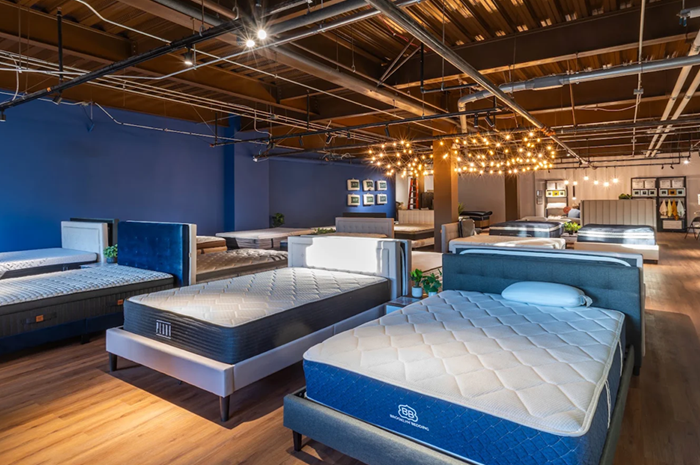
The SleePare Los Angeles showroom also gives customers access to sleep experts who can help them compare different options.
The location demonstrates the role SleePare created for its physical stores. Customers can begin their research online, test products in-store, and return to the online channel when they are ready to purchase.
What Shoppers Can Do At the Los Angeles Showroom
● Test online mattress brands in person
● Compare multiple mattresses during one visit
● Discuss preferences with sleep experts
● Experience different firmness and comfort profiles
The showroom is therefore not simply another place to buy a mattress. It is a physical part of a buying journey that may have started online.
How SleePare Changes the Mattress-Buying Journey
The SleePare model connects several stages of mattress shopping.
Step 1: Discover
The shopper finds brands through search, advertising, reviews, or recommendations.
Step 2: Visit
The shopper visits a SleePare showroom instead of ordering online right away.
Step 3: Test
Customers can try different mattresses and comfort levels before finding the perfect match.
Step 4: Compare
Multiple brands can be evaluated during the same visit.
Step 5: Purchase
The shopper can complete the purchase after testing the products.
Replacing the Traditional Sales Conversation With Sleep Experts
SleePare positions its showroom specialists as sleep advisors rather than traditional salespeople. The company’s team members are trained to listen first, then recommend.
That approach matters because the showroom includes competing mattress brands. Customers don’t just compare different models from one manufacturer; they can evaluate 15+ brands in the same visit.
The conversation can include:
● Sleeping position
● Preferred firmness
● Comfort preferences
● Support requirements
● Mattress construction
● Differences between brands
The purpose is not to make the customers consider more products. It is to make the comparison more useful.
Comparison Becomes Part of the Showroom Experience
SleePare’s proposition can be reduced to a straightforward sequence:
Research → test → compare → choose → purchase.
That is different from the traditional online sequence:
Research → choose → purchase → test at home.

With a purely online purchase, a customer may only discover whether a mattress feels right after placing an order and testing it at home. The difference is that physical testing happens in-store. SleePare moves that experience earlier in the decision-making process.
Moreover, the company retains the core conveniences associated with online mattress shopping, including online purchasing, price matching, delivery, and sleep-trial options.
This brings the physical showroom and digital channel into cohesion, serving different parts of the same customer journey.
The Sustainability Question Starts with Returns
The “Try and Buy” model also addresses the issue of mattress returns.
Returns can involve additional transportation, handling, and processing. A mattress that does not suit a customer may need to be redistributed, recycled, or otherwise managed.
SleePare says its showroom model helps reduce mattress returns.
The underlying idea is simple.
Testing a mattress before purchase gives customers more information before they commit. It does not eliminate the possibility of a return. It changes when customers can evaluate the product.
In a category where comfort is highly personal, that difference can matter.
What the 10-Showroom Network Means
One showroom can test whether customers want to experience online mattress brands in person.
One showroom can test whether customers want to experience online mattress brands in person. A 10-showroom network shows the same concept can extend across multiple markets.
SleePare now operates 10 U.S. showrooms and offers access to more than 15 mattress brands. The network serves different needs for shoppers, mattress brands, and SleePare itself.
● For Shoppers: More online brands can be tested in person
● For Mattress Brands: Products gain a physical discovery channel without each company having to build its own retail network
● For SleePare: The original showroom concept becomes a broader retail model.
The expansion is therefore not simply about adding locations. It is about repeating a specific retail function across different markets.
The Future of the Showroom May Be Less About Selling
As online mattress shopping became more common, Kol did not try to bring customers back to traditional retail. He built a showroom around the part of the buying process that online shopping could not provide.
Customers could research mattresses from home, then visit a showroom to test different products, compare how they felt, and ask questions before deciding.
The purchase could still happen online.
The showroom simply became another part of the customer experience, giving shoppers a physical way to evaluate products they had already discovered digitally.
That approach also let online mattress brands reach customers in person without building their own network of stores. The showroom has become less about completing a transaction and more about helping customers make a decision.
What Shanir Kol Built Is Beyond a Mattress Store
Shanir Kol’s SleePare model started with a specific retail problem: online mattress shoppers had access to information, but not physical product experience.
His experience in high-end furniture retail had already shown him the value of letting customers experience a product before buying it. He brought that thinking to a mattress industry that had increasingly moved online.
Customers could research from home, compare brands and order directly. The physical nature of the product, however, had not changed.
SleePare’s model does not aim to replace e-commerce. It adds a physical experience to the online shopping journey. Since opening its first Manhattan location in 2018, SleePare has expanded to 10 U.S. showrooms, where customers can test multiple online mattress brands before purchasing.
The Los Angeles showroom illustrates the model at a local level. A shopper can discover a mattress online, test it alongside alternatives in person and then return to the online channel to complete the purchase.
For Kol, the model brings his earlier retail experience into a category that had moved increasingly online.
Frequently Asked Questions
How many SleePare showrooms are there?
SleePare currently operates 10 showrooms across the United States. Its locations are in New York City, on Long Island, and in Boston, Chicago, Dallas, Los Angeles, Miami, San Francisco, Seattle and Tysons Corner. Each showroom lets customers test multiple online mattress brands before buying.
When did SleePare open its first showroom?
SleePare opened its first showroom in Manhattan in 2018. The store introduced the company’s approach of bringing online-only mattress brands into a physical retail space. SleePare has since grown that concept into a network of 10 U.S. showrooms.
What is the SleePare Try and Buy model?
The SleePare Try and Buy model lets customers test online mattress brands in a physical showroom before purchasing. Shoppers can compare several brands side by side with guidance from in-store staff. They can then buy in the showroom at the same prices offered online.
Can customers test online mattress brands at SleePare Los Angeles?
Customers can test online mattress brands in person at SleePare Los Angeles. The showroom currently carries 11 brands, including Casper, Avocado, Helix, Nectar, Puffy and WinkBeds. Having them under one roof lets shoppers compare different feels and constructions in a single visit.
What makes SleePare different from a traditional mattress store?
SleePare differs from a traditional mattress store by bringing multiple online-first brands into one physical testing environment. Most conventional stores focus on brands built for retail, while many direct-to-consumer brands have no stores of their own. SleePare’s showrooms combine in-person product testing with online pricing.
Conclusion
SleePare’s showroom model is built around a simple gap in online mattress shopping: customers can research almost everything from home, but they cannot know exactly how a mattress feels until they experience it.
By bringing multiple online-first mattress brands into one physical space, SleePare adds that missing step without abandoning the convenience of digital purchasing. The company’s 10-showroom network shows how the model has expanded beyond a single location into a broader retail concept.
Shoppers can now discover mattresses online, try and compare options in person, and then decide how to complete the purchase. The result is not a return to traditional mattress retail. It is a unique way that connects the online and physical parts of the buying journey.