

Navigating metropolitan traffic can test even experienced drivers. Crowded interchanges, sudden braking on arterial avenues, and long stretches of stop-and-go travel place steady wear on mechanical components. While a breakdown far away on a quiet mountain pass is expected to cause delays, an unexpected failure in the middle of a bustling urban center can be just as disorienting.
Many commuters assume city conveniences eliminate the stress of vehicle trouble. After all, service stations, repair garages, and ride-hailing options are close at hand. In reality, a stalled engine on an elevated freeway or a blown tire on a multilane boulevard presents immediate safety hurdles. Developing a practical roadside routine transforms a chaotic interruption into a manageable process.
Assembling a Compact Emergency Kit for City Travel
Urban commuters often keep trunks empty to maximize space for work gear or sports equipment. While you do not need an expedition survival pack for city driving, carrying a dedicated set of roadside supplies remains essential. When traffic slows to a crawl or you find yourself resting on a narrow shoulder, walking to a nearby store is neither practical nor safe.
A sensible urban kit emphasizes visibility, personal safety, and basic mechanical recovery. Stashing these items in a compact bag keeps your cargo area tidy while ensuring everything stays accessible.
- A compact jump-starter pack or heavy-duty booster cables
- A reliable LED flashlight with spare batteries
- A digital tire pressure gauge and portable inflator
- Reflective safety triangles or high-visibility warning markers
- A pair of sturdy work gloves and bottles of drinking water
Securing these supplies takes very little room, but having them on hand gives you immediate options while waiting for assistance. Checking your gear every few months ensures batteries remain charged and supplies stay fresh.
Organizing Essential Documents and Coverage Details
When an incident occurs, searching through an overstuffed glove box creates unnecessary stress. Having your registration, emergency contacts, and insurance cards stored in a clear pouch saves critical minutes during a roadside event.
Before an unexpected breakdown occurs, take time to review your policy details, emergency dispatch numbers, and towing limits. Consulting trusted resources on Automobile Insurance helps motorists understand which roadside perks are already included in their existing plans and what out-of-pocket expenses might arise during a tow.
Keep physical cards and digital copies stored safely on your phone. Wireless reception can drop in underground garages or hilly corridors, so maintaining an offline record of your policy number and preferred dispatch line ensures you can summon help without delay.
Spotting Mechanical Warning Signs Before a Stall
Most vehicle breakdowns do not happen completely unannounced. Modern cars usually display subtle warnings before an engine shuts down or a part fails. Tuning your senses to unfamiliar vibrations, soft brake pedals, or faint odors allows you to reach a repair facility before getting stranded in active traffic.
Pay close attention to how your car behaves during hot afternoons and extended idling. Elevated temperatures and sluggish traffic strain cooling systems, belts, and alternators. If your temperature gauge rises above normal or your air conditioning blows warm air, steer toward a safe exit rather than pushing forward.
Keeping up with recurring mechanical bulletins and vehicle component updates through automotive platforms such as motogprem.com can give you valuable insight into model-specific recalls, part lifespans, and typical failure points before they leave you stranded.
Regular visual checks of your tires also prevent common failures. Look for uneven tread wear, embedded nails, or sidewall bulges. Catching small imperfections in your driveway prevents sudden pressure loss on a busy highway.
Establishing Safe Procedures During an Active Breakdown
Experiencing a breakdown in heavy traffic requires calm, decisive action. The primary goal is always to move your vehicle out of active travel lanes whenever mechanical conditions permit.
If you notice power loss, sputtering, or a flat tire, activate hazard lights immediately. Guide your vehicle toward the right shoulder or take the nearest off-ramp to reach a quiet side street or commercial parking lot. Exiting the highway entirely is far safer than stopping along a high-speed shoulder.
If reaching an exit is impossible and you must stop along the shoulder, pull as far to the right as you can. Turn the wheels away from traffic and set the parking brake. In dense urban corridors where highway shoulders are narrow, stepping outside can be extremely dangerous.

Remain seated inside the cabin with your seatbelt buckled while contacting roadside assistance. If you must exit due to smoke or fluid leaks, exit through doors facing away from traffic and wait behind a concrete barrier or embankment safely away from the roadway.
Maintaining Daily Mobility While Your Car Is Repaired
After your vehicle is safely towed to a repair facility, managing your daily schedule becomes the next challenge. Waiting for diagnostic tests, parts shipments, and repair work can leave you without your car for multiple days.
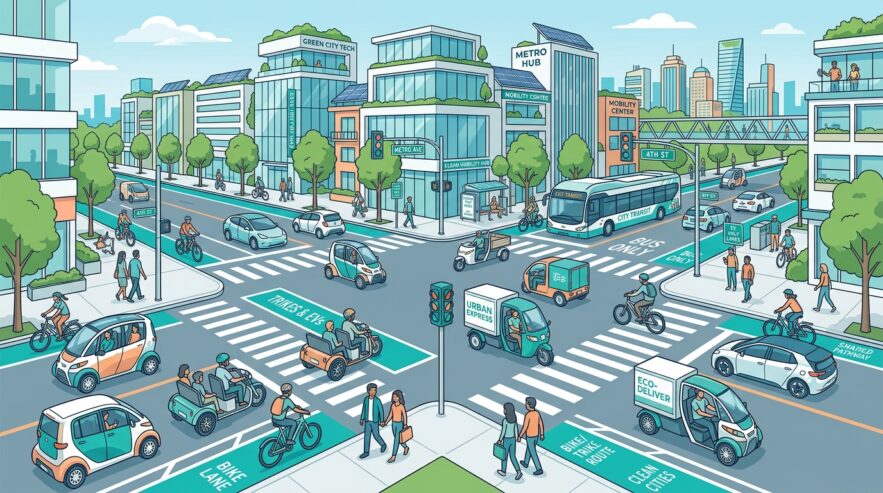
When your primary set of wheels is undergoing mechanical repairs, relying on a backup transit plan prevents disruption to your work and personal life. Taking the time to explore building a flexible urban mobility routine ensures you can pivot to public transit, shared rides, or neighborhood walking paths without missing a beat.
Familiarity with local bus routes, rail lines, and neighborhood car services before an emergency gives you confidence when your car is unavailable. Knowing your alternative transit options eliminates unnecessary morning delays while your car remains in the shop.
Conducting a Post-Incident Review and Restocking Supplies
Once your vehicle returns from the shop and regular driving resumes, evaluate how the situation was handled. Identifying what went smoothly and what caused friction helps refine your preparedness strategy for the future.
Restock any emergency supplies used during the incident. If you deployed warning lights, drank stored water, or used booster cables, replenish those items immediately. Return documents to their designated folder so they are ready if needed again.
Finally, ask your technician for a clear explanation of what caused the issue. Adding service notes to your maintenance folder creates a helpful record of repairs. Staying proactive with routine upkeep turns unexpected roadside surprises into brief, manageable pauses in your daily journey.