

Living in Los Angeles requires dependable transportation, but daily circumstances rarely remain static. A job change across town, an expanding household, or new neighborhood parking conditions can easily make an existing vehicle impractical. When your current car no longer suits your routine, selling it and finding a sensible replacement can feel like a daunting task. Managing both sides of this exchange requires patience, organization, and a clear plan to keep your daily mobility intact.
Many drivers treat selling an old car and buying a replacement as separate, disjointed tasks. Moving too quickly to sell can leave you without dependable wheels, while rushing into a replacement can result in unexpected repair bills. By coordinating both stages through structured preparation, you protect your budget, reduce stress, and ensure your next vehicle fits your daily life for years to come.
Preparing Your Current Vehicle for a Clean Private Sale
First impressions matter when selling an automobile directly to a private party. Begin with a thorough detailing session, cleaning the cabin, clearing out personal belongings, and washing the exterior surfaces. Address modest issues that can diminish appeal, such as replacing burned-out exterior bulbs or worn wiper blades. Gather your documentation ahead of time, including the title, maintenance invoices, and recent emissions inspection paperwork. Having an orderly folder of service records shows prospective buyers that the car received routine attention.
Determining an accurate asking price requires reviewing local listings for identical makes, models, and trim packages. For practical guidance on valuation strategies, paperwork workflows, and used vehicle markets, consulting specialized resources like antechauto.com can provide valuable context on how to organize private vehicle sales. Once you establish a fair price, take crisp photographs in soft morning light, documenting the interior seats, dashboard, tires, and exterior body panels. Honest descriptions that mention existing cosmetic blemishes build trust and help filter out uncommitted inquiries.
Screening Inquiries and Handling Safe Test Drives
Managing buyer communication with consistent guidelines protects your schedule. Respond promptly to polite inquiries about service records or general condition, but remain cautious with buyers who immediately demand steep discounts without viewing the automobile. Watch out for strange transaction proposals, remote courier pickups, or overpayment schemes. Keeping all communication focused on vehicle specifics and scheduling in-person viewings ensures you spend time only with serious individuals.
When scheduling a viewing, arrange to meet during daytime hours in a busy public area. Community library lots, shopping centers, or designated transaction spaces outside local municipal stations offer visibility and safety. Ask to see a valid driver license before permitting a test drive, and accompany the driver on a simple route that includes surface streets. For final payment, conduct the transaction inside a local bank branch to verify funds before signing the title over.
Evaluating Your Practical Needs for the Replacement
With the sale of your old car underway, define exactly what your next vehicle must accomplish. Urban driving demands differ widely depending on your neighborhood street width, parking arrangements, and primary travel corridors. If your routine involves tight garage spaces or parallel parking on crowded avenues, vehicle exterior length and turn radius matter more than excessive horsepower. Consider whether your driving calls for modest cargo room for recreational gear, seating comfort during dense traffic, or quiet cabin insulation from street noise.
Automotive engineering continues to introduce refined chassis designs, responsive transmissions, and integrated driver assistance technologies. Learning more about modern car design and performance features helps you determine which electronic assists and suspension setups genuinely improve daily commuting. Prioritizing practical ergonomics and proven mechanical platforms prevents you from spending extra resources on complex gadgets that contribute little to your daily comfort on city streets.
Researching Vehicle Histories and Reliability Records
Once you assemble a list of prospective models, review long-term reliability reports and owner experiences. Different production runs often carry distinct mechanical reputations, with specific engines or gearboxes proving far sturdier over sustained use. When seeking straightforward breakdowns of automotive platforms, ownership overviews, and general model advice, turning to Angkor Car Guide can help clarify your options before you begin touring local dealer lots or private driveways. Comparing recurring feedback across independent forums enables you to identify persistent trouble spots before arranging viewings.
Before inspecting any prospective vehicle in person, request its vehicle identification number to run a formal history check. These records reveal previous collision history, title status, past registrations, and whether the vehicle experienced structural damage or salvage branding. Be wary of automobiles with extensive gaps in maintenance entries or records showing frequent ownership changes within brief periods. Consistent ownership and documented maintenance at regular intervals remain strong signs of a dependable vehicle.
Inspecting Candidate Vehicles and Diagnostic Systems
When viewing a replacement, ask the seller to keep the engine cold prior to your arrival. Starting an engine that has rested for several hours allows you to detect rough idling, exhaust smoke, or belt squeaks that vanish once the vehicle warms up. Walk around the exterior to check panel gaps for symmetry, inspect paint finishes for mismatched shades, and look underneath for signs of fresh fluid leaks.

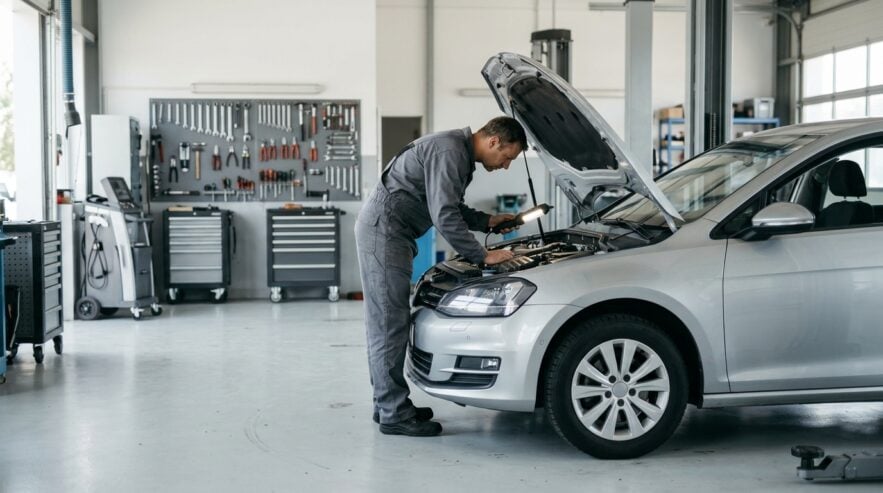
Schedule a professional pre-purchase evaluation with an independent technician before committing to any purchase. A qualified mechanic can lift the vehicle, inspect suspension linkages, and review structural integrity. Ensure your inspection routine addresses these vital checkpoints:
- Check fluid reservoirs for proper levels, clean color, and absence of burning smells.
- Examine tire treads across all wheels for even wear patterns and adequate remaining depth.
- Inspect brake discs for grooving and verify sufficient friction pad material remains.
- Test all interior switches, climate control vents, power mirrors, and window regulators.
- Scan the electronic control unit for stored diagnostic trouble codes or pending alerts.
Use the mechanic report to make an informed, objective assessment. If the inspection uncovers minor maintenance needs such as aged filters or worn belts, you can account for those minor repairs in your overall planning. If significant mechanical faults, frame damage, or severe fluid leaks appear, decline the purchase politely and continue evaluating other options without hesitation.
Finalizing the Exchange and Managing the Transition
Coordinate your timeline between parting with your old car and acquiring your replacement to avoid transportation gaps. If a brief interval occurs, walking, public transit, or short-term vehicle arrangements can maintain your schedule without forcing a rushed purchase. Complete administrative duties promptly by submitting transfer notices, updating your insurance policy, and finalizing vehicle registration through state motor vehicle channels.
Switching vehicles in a bustling metropolitan area does not have to be an exhausting ordeal. By preparing your outgoing automobile thoroughly, screening potential buyers with care, clarifying your true transportation needs, and verifying your replacement through diligent inspection, you protect your peace of mind throughout the entire process. Approaching both transactions methodically ensures you drive away in a vehicle that matches your lifestyle, your neighborhood, and your everyday travels across Southern California.