

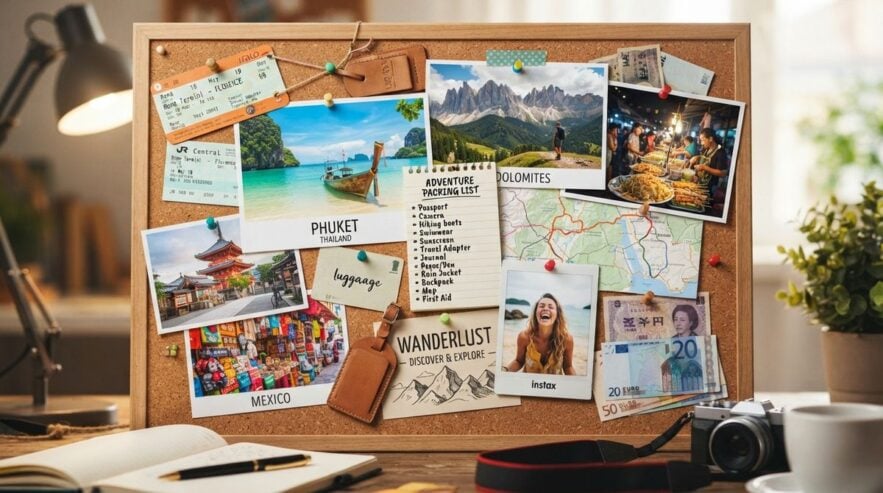
Living in a fast-paced urban center often conditions people to move through life on a strict schedule. Days are filled with traffic, calendar alerts, and continuous task lists, which can easily follow travelers when they finally book time away. When the instinct is to rush through several iconic landmarks in a single afternoon, the trip can start to feel like an extension of the workweek rather than a true mental pause.
Planning an international getaway with an emphasis on depth rather than speed offers a refreshing alternative. Instead of attempting to collect stamps and photo opportunities across an entire continent, narrowing your scope allows you to experience the texture of daily life in a foreign community. A thoughtful trip requires a slight change in planning habits, trading frantic transfers for sustained presence.
Shift Your Focus from Checklists to Regions
The most common pitfall in modern vacation planning is the desire to see every famous museum and monument within a single journey. When travelers schedule multiple flights and train rides over a short period, most of their energy goes toward packing, checking schedules, and managing logistics. By the end of the journey, memories of transit queues often outnumber moments of genuine discovery.
Choosing one distinct geographic district allows you to unpack your bags once and settle into an authentic rhythm. Rather than viewing travel as a race against the clock, consider selecting a single province, valley, or coastal stretch where you can spend your entire stay. This approach gives you time to notice small details, such as how morning commerce begins in a town square or how regional recipes change from village to village.
Broadening your curiosity about distinct world regions and cultures often starts with simple reading habits; consulting global resources like worldatlasbook.com can give you a better sense of how learning about distant communities expands your perspective before you even pack a suitcase. Building this baseline knowledge helps you appreciate the geography, traditions, and everyday routines of the places you plan to visit.
Choose Regional Hubs That Encourage Immersion
Selecting the right base camp is central to planning an immersive journey. While major gateway cities offer endless entertainment and world-class transit, they can also insulate visitors from the everyday culture of the country. Staying in a smaller town or historic market village just a short drive from regional centers provides immediate access to rural life while keeping amenities within reach.
In smaller communities, daily life is not staged for tourists. You encounter residents going about their regular business at bakeries, grocers, and public benches. These settings encourage unhurried conversations and allow you to observe how seasonal weather shapes agriculture, food markets, and evening gatherings.
When you venture outside major tourist capitals into historical rural territory, dedicated regional guides such as montefeltro.net provide practical insight into discovering untouched landscapes, ancient hamlets, and local traditions that large package tours rarely encounter. Exploring these quiet corridors reveals historic architecture and traditional crafts that have endured for centuries away from commercial crowds.
Design a Routine for Slower Days on the Ground
Structuring your days with generous amounts of unstructured time is the secret to avoiding travel burnout. When you fill every hour with guided tours, ticket reservations, and dining appointments, you leave no room for spontaneous detours. A well-balanced day should have at most one primary activity, leaving the remainder open for casual wandering.
Begin your mornings without an alarm whenever possible. Take a slow walk to a neighborhood café, order your coffee, and observe the neighborhood as it wakes up. Returning to the same table over several consecutive mornings creates a comfortable sense of familiarity with local shopkeepers and regulars.
Taking time to step away from screen navigation during a journey mirrors the benefits of rebuilding paper map habits for weekend walks, where orienting yourself on foot creates a genuine connection to your surroundings. Pocketing your phone and navigating by physical landmarks, street signs, and church steeples encourages you to look up and engage directly with the environment around you.
Prepare for Cultural Differences with Open Curiosity
Traveling outside major international tourist centers means encountering customs, schedules, and communication styles that may differ significantly from what you experience at home. Rather than viewing these differences as inconveniences, treat them as the core reason for leaving home in the first place.

A few practical preparations can help you navigate local customs with courtesy and ease:
- Learn essential polite phrases in the local language, including formal greetings and expressions of gratitude.
- Familiarize yourself with local business hours, including midday closures and traditional dining windows.
- Carry cash in the local currency, as smaller village shops and open-air markets often prefer physical payment.
- Ask your host or lodging manager for recommendations on quiet footpaths and family-owned dining spots.
Patience is essential when adjusting to a slower pace of service. In many cultures, dining is meant to be a prolonged social event rather than a rapid meal between appointments. Sitting back, enjoying each course, and accepting that life operates on a different clock will immediately reduce your stress levels.
Reflect and Carry Travel Habits Back Home
The value of a slower travel experience does not end when your flight lands back home. The true benefit often reveals itself in the weeks that follow, as you integrate elements of your journey into your everyday city life. You might find yourself lingering longer over morning coffee, paying closer attention to local neighborhood architecture, or seeking out regional grocery markets.
Immersive travel teaches you that life does not need to move at top speed to be fulfilling. By deliberately choosing to explore one area deeply, you build a store of vivid memories and a grounded perspective that withstands the demands of urban life.
When you start planning your next journey, resist the urge to measure the success of your itinerary by how many destinations you can cross off a list. Focus instead on the depth of your presence, the quiet conversations you share, and the appreciation you develop for communities that keep their own distinct pace.