

Modern city life runs on tight schedules, and when the opportunity arises to take an extended vacation, the temptation to squeeze an entire continent into a short trip is strong. Many travelers return home with countless photographs but little memory of how a place actually felt. Moving between train stations, hotel lobbies, and crowded monuments at breakneck speed turns an eagerly anticipated break into an exhausting logistical exercise.
Shifting your approach toward measured exploration allows you to absorb the rhythm of historic neighborhoods, discover neighborhood cafes, and engage thoughtfully with local traditions. A well-designed cultural journey does not require sacrificing variety; it simply requires a clearer framework for how you distribute your attention, physical energy, and transit days.
Choosing Strategic Base Hubs Over Daily Relocation
One of the most common planning mistakes is packing up luggage every single morning to sleep in a new town. Changing accommodations consumes precious hours in checking out, storing bags, waiting for room access, and reorienting yourself to unfamiliar street layouts. Over a long trip, this continuous turnover drains physical stamina and mental clarity.
A far more sustainable method is selecting central base towns or cities that offer strong rail or bus connections to surrounding villages. By staying in a single room for several consecutive nights, you establish a comfortable rhythm. You learn the quickest walk to the morning bakery, find your preferred coffee counter, and unpack your suitcase properly.
Day trips from a central base allow you to venture outward into historic ruins, artisan workshops, or hillside hamlets without hauling your baggage along. If weather shifts or fatigue sets in, you retain the flexibility to return early to your base for a restful evening rather than being locked into another transit transfer.
Structuring Daily Routines Around Energy Windows
Travel fatigue rarely comes from walking alone; it stems from sensory overload. Visiting world-renowned museums, deciphering foreign signs, and navigating busy pedestrian markets demand continuous focus. Trying to sustain that intensity from breakfast until late evening inevitably leads to irritability and burnout.
Consider dividing each day into distinct energy blocks. Dedicate your morning hours, when your mind is fresh and popular sites are less congested, to major architectural landmarks or historical complexes. Reserve the early afternoon for unhurried meals and quiet downtime in shaded public gardens, residential courtyards, or your own room.
When you are mapping out routes across regions with deep historical layers, turning to practical destination notes on tourisme-turc.com can help you organize transit connections and pace your sightseeing across ancient districts. Having realistic expectations about how long transfers actually take keeps your afternoons open for genuine relaxation.
Late afternoons and evenings can then be devoted to relaxed neighborhood ambles. As daylight softens, plazas fill with residents meeting friends, offering an organic look into community life that no museum exhibit can replicate.
Curating Meaningful Encounters Over Checklist Tourism
The pressure to see every top-ranked attraction often prevents travelers from having personal, spontaneous experiences. Guidebooks and social media highlight famous monuments, but the most enduring travel memories frequently arise from unexpected moments: watching a woodcarver restore an antique door, listening to evening bells across an ancient tile roof, or sharing quiet conversation at a corner fruit stall.
To create space for these moments, limit yourself to a single primary planned activity per day. Everything else should remain open to curiosity. If an intriguing alleyway catches your eye, you have the freedom to follow it without checking your watch. If a quiet courtyard invites you to sit and read, you can linger without guilt.
For travelers seeking inspiration on framing adventurous personal odysseys that emphasize wonder over strict checklists, reading reflective itineraries at exploremysoul.com provides valuable perspective on keeping your travel spirit alive. Approaching a destination with curiosity rather than a rigid agenda transforms an ordinary vacation into a deeply memorable personal chapter.
Practical Packing and Physical Readiness for Historic Streets
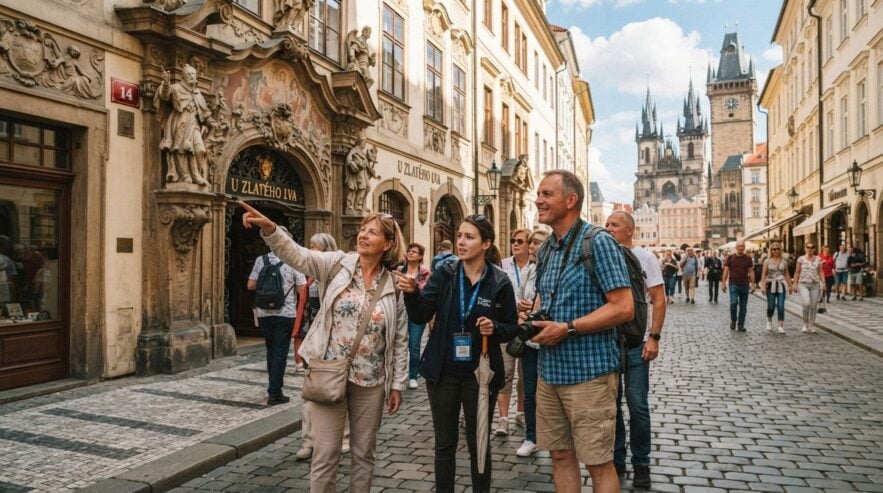
Historic districts were built long before modern asphalt and wheeled suitcases. Narrow cobblestone streets, steep staircases, ancient bridges, and uneven stone pavements require genuine physical readiness and smart gear choices. Carrying oversized, heavy luggage over rough walkways quickly leads to strained muscles and logistical frustration.
Prioritize versatile clothing layers and supportive, broken-in walking shoes with thick rubber soles. Just as travelers focus on footwear and stamina when preparing for tropical island trails, city wanderers also need practical preparation for navigating endless cobblestone alleys and steep neighborhood steps. Taking daily neighborhood walks in your travel shoes before departing helps condition your feet and prevents painful blisters during long days abroad.
Here is a practical daily checklist to keep in mind when venturing out from your base:

- Carry a reusable water container and a compact, lightweight shoulder bag.
- Keep small cash denominations accessible for markets and public transit tickets.
- Download offline regional maps to save mobile battery while navigating winding streets.
- Pack a lightweight scarf or overshirt suitable for entering conservative cultural sites.
- Set aside a physical pocket notebook for jotting down street names, sketches, and thoughts.
Keeping your daily gear minimal reduces physical strain and frees your hands for taking photographs, opening doors, or holding handrails along steep hillside paths.
Building Deliberate Rest Days into Your Itinerary
Many travelers treat every vacation day as a full sprint, forgetting that true restoration requires downtime. Over an extended journey, schedule a deliberate rest day every few days. A rest day is not a wasted day; it is the cushion that preserves your appreciation for the rest of the voyage.
On these slower days, avoid scheduling ticketed entries or long bus rides. Sleep in without an alarm, spend a leisurely morning writing postcards or sorting photos, and visit a nearby park with a good book. Watch the ebb and flow of street traffic, sample regional produce from a neighborhood grocery, or simply enjoy a quiet bath.
Giving your mind time to process what you have witnessed prevents different cities and sights from blurring together in your memory. You return to your next cultural excursion with renewed curiosity, sharp observation skills, and genuine enthusiasm.
Travel is ultimately an investment in your perspective on the world. By resisting the urge to collect hurried stamps and instead lingering in places that captivate you, you forge a meaningful connection with the landscapes and cultures you visit.
Careful pacing, thoughtful base selections, and space for serendipity will always reward you far more than an overloaded itinerary. When you step back onto your home soil, you will carry not just a digital photo album, but a deep sense of calm and genuine connection to the wider world.