

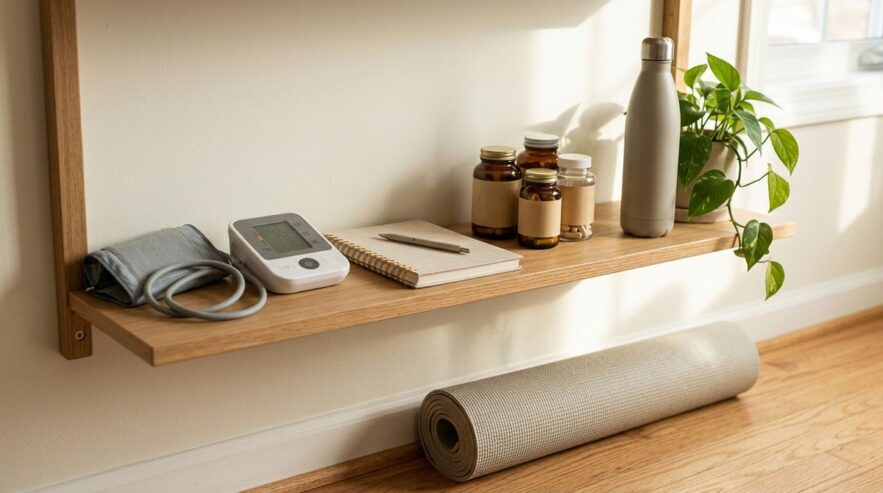
Living in Los Angeles brings a unique set of challenges, from navigating busy traffic to balancing the high pace of professional life with personal responsibilities. Among these challenges, maintaining a safe, healthy, and organized household environment is often overlooked until an issue arises. Many families find that when they do not have a proactive approach to managing their health information, safety protocols, and daily routines, small problems can quickly escalate. Establishing a structured system for your home can provide clarity and reduce unnecessary stress, allowing you to focus on what truly matters.
Centralizing Your Household Information Hub
The first step in managing your home effectively is to create a central location for essential records. When everything is scattered—medical documents in a drawer, insurance details on a website, and emergency contacts on a phone—retrieving information during a stressful moment becomes difficult. Consider creating a physical or digital binder that contains all crucial household information. This should include copies of identification, emergency contact numbers, utility account details, and basic health summaries for every family member. Having this information in one spot ensures that anyone in the household can access it when necessary.
Beyond basic documents, consider maintaining a log of maintenance tasks and health appointments. Much like keeping a car running smoothly, a home requires regular attention. Documenting when air filters were last changed, when fire alarms were tested, and when recurring health screenings are due can prevent oversights. By creating a routine for updating this hub, you transform a disorganized collection of papers into a powerful tool for family management, ensuring that everyone remains informed about the state of their shared environment.
Prioritizing Wellness and Prevention Education
Knowledge is a fundamental component of maintaining long-term wellness. Instead of waiting for a health concern to appear, proactive families dedicate time to learning about common health issues and preventive care. Understanding the signs of various conditions, knowing the importance of regular check-ups, and staying aware of general wellness trends can significantly impact your daily choices. For example, staying updated with resources like Joomdactor.com can provide valuable information that helps you make informed decisions about your diet, lifestyle habits, and overall health awareness throughout the year.
This approach to education should be integrated into your family life in small, manageable ways. Perhaps you discuss a health topic during dinner or set aside time to research a new wellness practice together. The goal is to demystify complex health information, making it accessible and actionable for all household members. When individuals understand why certain habits—such as consistent sleep, hydration, or stress management—are important, they are more likely to adopt them independently, fostering a healthier household environment for everyone involved.
Integrating Modern Health and Safety Tools
Technology has transformed the way we approach home safety and medical care. From wearable devices that track activity levels to smart home systems that monitor air quality, there are numerous options available to help you keep track of your family’s health and security. Utilizing these tools can provide peace of mind and help you spot potential issues before they become serious problems. If you are interested in exploring how modern devices and systems can improve your access to care or enhance your household’s safety, you might investigate platforms like Healthytipshotline.com to learn about the latest innovations in medical technology and support.
When selecting tools, it is best to start simple. You do not need to overhaul your entire home at once. Begin by addressing your most immediate needs, such as ensuring your home is equipped with updated smoke and carbon monoxide detectors, or using a simple application to track recurring medication schedules. Once these basics are secure, you can explore more advanced monitoring options that fit your specific lifestyle. The key is to choose tools that simplify your life rather than adding complexity. Remember, these devices are designed to support your efforts, not replace the need for professional care or common sense.
Standardizing Internal Family Communication
Even with the best tools and information in place, a household can still experience friction if communication is not handled effectively. Many misunderstandings occur because expectations are not clearly stated or because information is not passed along properly between family members. Developing a standard approach for handing off tasks, sharing important updates, and delegating responsibilities is crucial. You can adapt techniques from professional environments, such as improving communication between household members by establishing structured check-in routines.

Consistency is key when implementing these new habits. To help everyone get started with better coordination, consider the following practical steps:
- Create a weekly family meeting to review upcoming appointments, tasks, and needs.
- Establish a shared digital or physical calendar for all activities.
- Define clear roles for routine household responsibilities, such as cleaning, shopping, or maintenance tasks.
- Use a designated message board or group chat for urgent updates, ensuring they do not get lost in daily conversations.
These practices help ensure that everyone understands their responsibilities and that crucial information—such as a changed medical appointment time or a necessary home repair—is communicated clearly and without confusion. Over time, these small shifts in how you handle daily interactions can make your home run much more smoothly.
Finally, remember that creating a healthy and organized home is an ongoing process rather than a final destination. Your needs will change as family members grow, professional demands fluctuate, and life in Los Angeles continues to evolve. Regularly revisiting and adjusting your systems will help you maintain balance and ensure that your household remains a resilient, supportive environment for everyone. By focusing on simple, proactive habits, you can create a foundation that serves your family well, no matter what challenges come your way.