

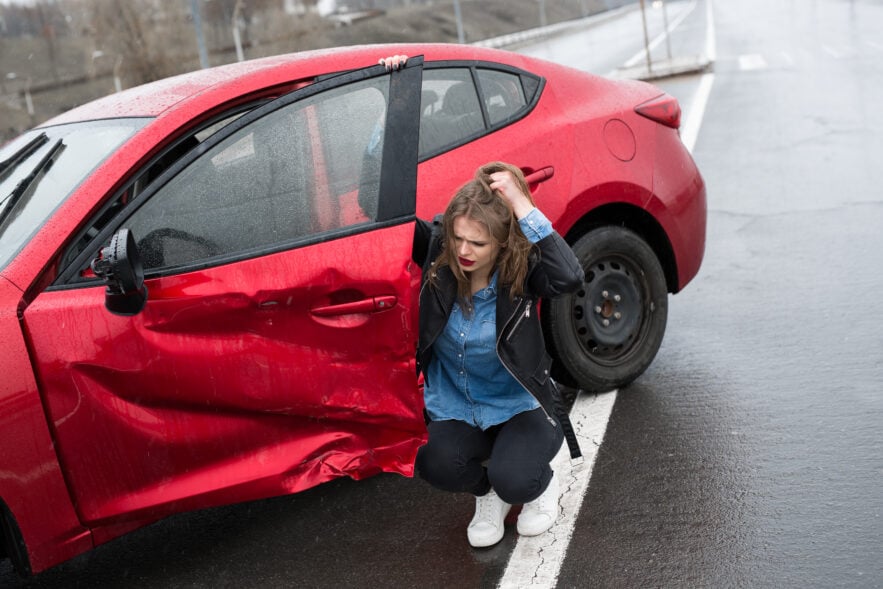
A parking lot sideswipe feels minor compared to a highway collision. The speeds are low, the impact is brief, and often the only visible sign is a long scrape of transferred paint along a door or fender. It’s tempting to brush it off as a cosmetic issue you can fix with a touch-up pen. But a closer look—ideally from a professional auto body shop—often reveals that the damage goes deeper than the surface.
What Actually Happens During a Sideswipe
When two vehicles scrape past each other, the force isn’t purely cosmetic. Even at low speeds, the contact point absorbs pressure that can push panels inward, bend support structures, or knock components out of alignment. Unlike a head-on collision, where damage is concentrated and obvious, a sideswipe spreads stress along the length of the vehicle. That means the effects can show up in places far from the point of contact, making a visual inspection alone unreliable.
Beyond the Paint: Hidden Structural Concerns
Panel and Frame Alignment
Doors, fenders, and quarter panels are often bolted or welded to the vehicle’s frame or unibody structure. A sideswipe can shift these panels just enough to throw off their alignment, even if the paint damage looks superficial. Over time, misaligned panels can lead to water intrusion, wind noise, or uneven wear on moving parts like door hinges and latches.
Suspension and Wheel Alignment
If the sideswipe involves contact near the wheel wells, the impact can transfer force into the suspension system. This might knock your wheel alignment out of spec, leading to uneven tire wear or a vehicle that pulls to one side. These issues aren’t always noticeable right away—they tend to develop gradually, which makes them easy to miss until the damage is more extensive and costly to fix.
Sensor and Safety System Disruption
Modern vehicles are packed with sensors that support features like blind-spot monitoring, lane departure warnings, and parking assistance. These sensors are often embedded in bumpers, side mirrors, or door panels—all areas vulnerable to sideswipe damage. A seemingly minor scrape can dislodge or damage a sensor, compromising safety systems you rely on every day without realizing anything is wrong.
Door Function and Seals
Doors that look fine from the outside can still suffer from compromised seals or internal mechanisms after a sideswipe. If the door was struck or pushed inward even slightly, the rubber seals that keep out water and noise may no longer sit properly. This can lead to leaks during rain, increased road noise, or difficulty closing the door securely.
Why a Professional Inspection Matters
It’s easy to assume that a quick glance can tell you whether damage is “just cosmetic” or something more. But many of the issues described above aren’t visible without removing panels or using diagnostic tools. An experienced auto body shop can assess:
- Whether the vehicle’s frame or unibody has shifted
- If suspension components need realignment
- Whether sensors are still calibrated correctly
- If door seals and hardware are functioning as intended
Skipping this step might save time in the short term, but it can lead to bigger problems—and bigger repair bills—down the road.
The Cost of Ignoring Hidden Damage
Deferred damage rarely stays the same size. A small misalignment in a door can worsen with regular use, eventually requiring a full panel replacement instead of a simple adjustment. Suspension issues left unaddressed can accelerate tire wear, meaning you’ll need new tires sooner than expected. And a malfunctioning safety sensor isn’t just an inconvenience—it’s a potential safety risk that could affect how your vehicle responds in a real emergency.

Addressing these issues early, while they’re still minor, is almost always more affordable and less disruptive than waiting until they become major repairs.
What to Do After a Sideswipe
If you’ve been in a parking lot sideswipe, even a minor one, consider these steps:
- Document the damage. Take photos of the visible scrapes, dents, or scratches from multiple angles.
- Check for drivability issues. Note any unusual sounds, vibrations, or handling changes.
- Schedule a professional inspection. A trained technician can identify issues that aren’t visible to the untrained eye.
- Address repairs promptly. Fixing small issues now prevents them from becoming larger, more expensive problems later.
Final Thoughts
A parking lot sideswipe might seem like a minor inconvenience, but the damage underneath the paint can be far more significant than it appears. From misaligned panels to disrupted safety sensors, these hidden issues deserve a professional eye. Taking your vehicle to a qualified auto body shop for a thorough inspection isn’t just about restoring appearances—it’s about ensuring your vehicle remains safe, functional, and reliable for the road ahead.