

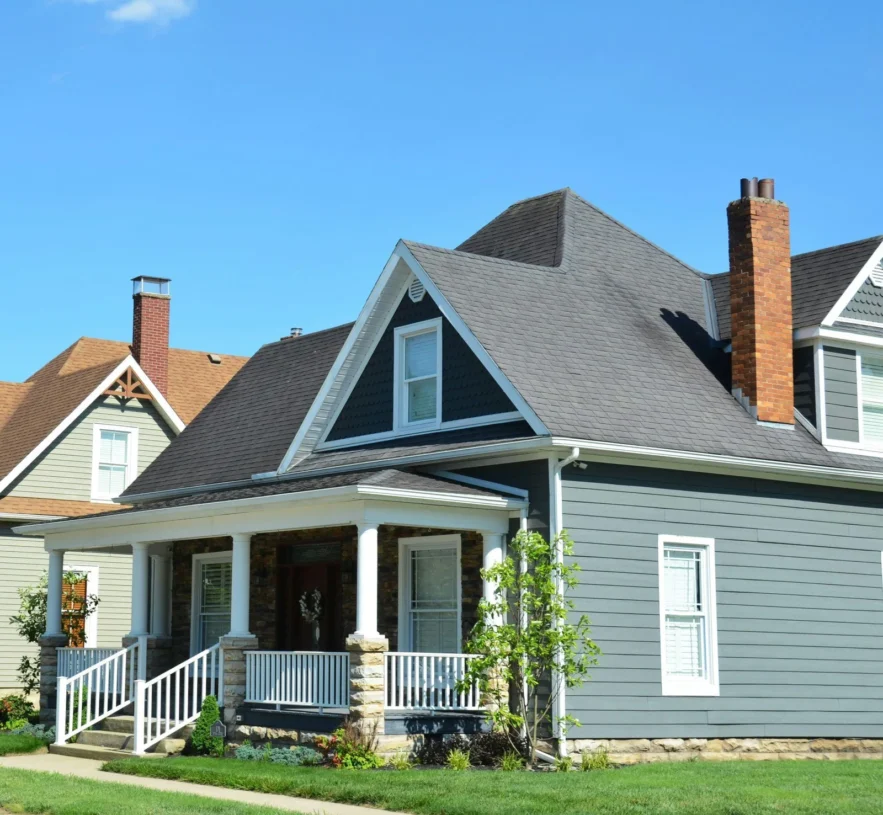
Photo By: Roger Starnes
As colder weather approaches, homeowners are being urged to check their chimneys before lighting their first fire of the season. Hidden damage, blocked flues and a build-up of soot can create serious safety risks. A simple inspection now could help prevent dangerous emergencies and costly repairs during winter.
As temperatures begin to fall, many homeowners are getting their fireplaces and wood-burning stoves ready for winter. However, while people check their heating systems and prepare their homes for the cold, chimney maintenance is often forgotten. Problems inside a chimney can go unnoticed for months, as cracks, blockages and a build-up of flammable material may not be visible from the outside. If left untreated, these issues can increase the risk of chimney fires, carbon monoxide exposure and unexpected heating problems.
Chimneys are exposed to heat, rain, wind and changing temperatures throughout the year. Over time, these conditions can damage brickwork, weaken mortar and cause cracks in the chimney liner. The liner helps carry smoke and gases safely out of the home. If it becomes damaged, heat and harmful gases may escape into areas where they could cause damage or put people at risk.
Another common problem is creosote, a flammable substance that builds up inside chimneys when wood is burned. If too much is collected, it can catch fire and cause a dangerous chimney fire. Blockages can also develop when birds or other animals build nests inside the chimney. Leaves, debris and fallen pieces of masonry can prevent smoke from escaping properly. The biggest concern is that a chimney can look fine from the outside while hiding serious problems inside.
Why Chimney Problems Can Become Winter Emergencies
A chimney that has not been used for several months is not always ready for use. Rain and damp weather can worsen existing damage, while animals may have built nests inside the flue during the warmer months. When homeowners start using their fireplaces more often, hidden problems can quickly become more serious. This could leave families facing unexpected repairs or being unable to use their fireplaces during freezing weather.
Carbon monoxide is another major concern. It is a dangerous gas that has no colour or smell, making it difficult to detect without an alarm. Smoke and carbon monoxide alarms are essential, but they do not replace regular chimney inspections and maintenance. Waiting until smoke enters the room or the fireplace stops working properly could mean the problem has already become a safety risk.
Chimney Scientists, a chimney company founded by Joe Ochal, highlights several important steps in an recent blog, including arranging a professional chimney inspection, checking for soot and creosote, looking for blockages, testing smoke and carbon monoxide alarms, and checking visible parts of the fireplace. These precautions can help homeowners prepare for the heating season and identify potential problems before they become more serious.
Some chimney problems are difficult to spot without professional help. A chimney may have internal cracks, hidden blockages or damage that cannot be seen from the fireplace opening. Homeowners who have not used their fireplaces for a long time or cannot remember their last inspection should consider having their chimneys checked before lighting a fire.

Ignoring chimney maintenance can also lead to expensive repairs. Small cracks and leaks may become worse over time, while a build-up of creosote can increase the risk of a chimney fire. Discovering a problem during a cold spell can be particularly stressful, as homeowners may need urgent repairs when they rely on their fireplaces to keep their homes warm. Finding problems early gives homeowners more time to arrange repairs and avoid unexpected disruption when temperatures drop.
Why Homeowners Should Arrange an Inspection Now
As winter approaches, a professional chimney inspection can help identify damage, blockages and other problems before regular fireplace use begins. Depending on the condition of the chimney, cleaning or repairs may also be needed. Homeowners should look out for warning signs such as crumbling mortar, water leaks, damaged bricks, unusual smells or smoke entering the room. Even if a chimney has worked well for years, that does not guarantee it is still safe.
If smoke enters the home or a blockage is suspected, homeowners should stop using the fireplace and seek professional advice. If a carbon monoxide alarm sounds, everyone should leave the property immediately and contact emergency services from a safe location.
As colder weather draws closer, checking the chimney should be part of every homeowner’s winter preparation. Taking action now could help prevent a dangerous and expensive emergency later. A professional inspection before the first fire of the season can give homeowners time to deal with hidden problems, protect their families and prepare for winter with greater peace of mind. By making chimney safety a priority before temperatures drop, homeowners can reduce the risk of unexpected problems and help keep their families safe throughout the colder months. A little preparation now could make all the difference between a warm, comfortable winter and an avoidable emergency.