

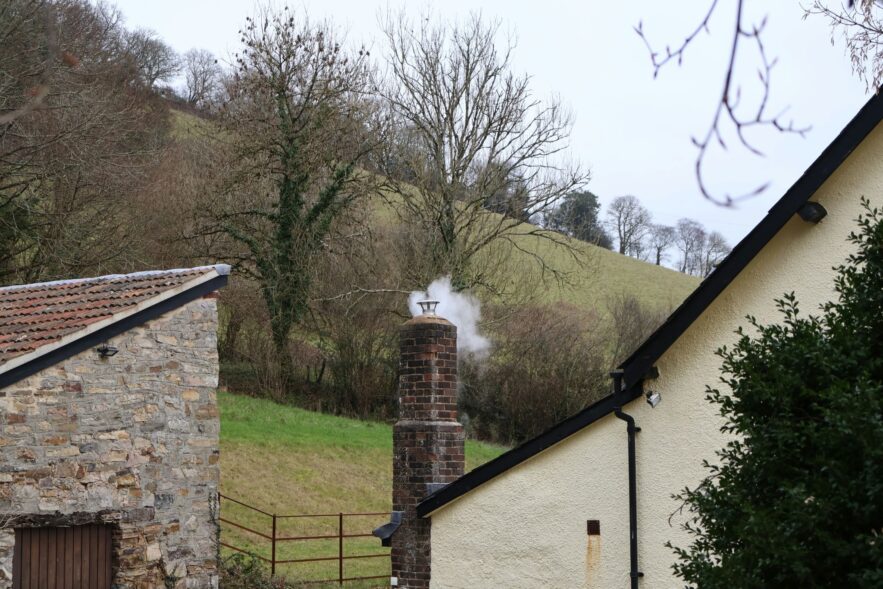
Most homeowners have a simple way of deciding whether their chimney is in good condition. If the fireplace works, there is no visible damage, and nothing seems unusual, they assume everything is fine.
Unfortunately, chimney systems rarely give obvious warnings before problems develop. Some of the most serious hazards begin deep inside the chimney, where deterioration cannot be seen during a routine walk around the house or even during a standard home inspection.
As homes across the country continue to age, chimney experts say understanding what cannot be seen has become just as important as maintaining what can.
Joe Ochal, founder of Chimney Scientists, one of the largest chimney companies in the U.S., believes many homeowners simply do not realize how much responsibility their chimney carries beyond the fireplace.
“Most people don’t realize they have a chimney,” Ochal says. “If you have a heating system that burns fossil fuel, such as oil, natural gas, or propane, the majority of the time this is venting into a chimney. When you have your heater serviced by an HVAC company, they are not inspecting or cleaning the chimney, so many chimneys go untouched for decades, but they require maintenance.”
That misunderstanding often causes homeowners to overlook an important part of the home’s ventilation system.
A Chimney Does More Than Vent a Fireplace
While fireplaces receive the most attention, many chimneys also serve furnaces, boilers, and water heaters. Their primary purpose is to carry combustion gases safely outside the home.
Because most of that system is enclosed within masonry walls, homeowners have little opportunity to observe what is happening inside.
According to Chimney Scientists’ explanation of why dedicated chimney inspections matter, general home inspections provide valuable information about a property’s overall condition, but they are not designed to evaluate the internal condition of a chimney system. Specialized inspections often use camera equipment and other diagnostic tools to identify problems hidden from view.
Those hidden issues can include deteriorated flue liners, structural cracks, internal blockages, moisture damage, or compromised venting systems that develop gradually over many years.
The Biggest Problems Are Often Invisible
Many homeowners expect chimney problems to reveal themselves through visible cracks or falling bricks. In reality, some of the most dangerous conditions develop entirely inside the chimney.
“Holes inside the heater chimney where carbon monoxide is actively escaping into the wall cavity or the backdrafting of the hot water heater gases into the basement area actively causing small amounts of carbon monoxide to enter the basement at levels too low for your carbon monoxide detector to go off, but high enough to cause sluggishness, headaches, and irritability,” Ochal explains.
Because these leaks occur within enclosed spaces, they often produce no visible warning signs inside the home.
The same is true for internal masonry deterioration. Freeze and thaw cycles, moisture intrusion, decades of heating and cooling, and ordinary aging slowly weaken chimney structures without creating obvious symptoms that homeowners can identify on their own.
Why Homeowners Cannot Diagnose Chimneys Themselves
Many aspects of home maintenance can be monitored visually. Roof leaks eventually leave stains. Plumbing failures become obvious when water appears where it should not. HVAC systems stop producing conditioned air when something fails.
Chimneys are different.
“They really can’t,” Ochal says when asked whether homeowners can recognize early warning signs themselves. “The majority of the warning signs are seen with a camera scope that we send up and down the chimney interior to look at the condition internally. By the time you’re seeing issues on the outside of the chimney, the interior has already begun to fall apart.”
That reality helps explain why specialized chimney inspections have become an increasingly important part of preventative home maintenance.

Waiting for Symptoms Can Become Expensive
The first indication of a chimney problem often comes during the busiest time of year.
“If the chimney is untouched for many decades, eventually the interior of the chimney will cave in on itself, typically during a winter season and block the exhaust gases, causing carbon monoxide to back up into your home,” Ochal says.
What follows can quickly become an emergency. Carbon monoxide alarms activate, heating systems are shut down, and homeowners suddenly need repairs during the peak heating season when contractors are experiencing their highest demand.
Instead of carefully planning repairs, homeowners may find themselves making urgent decisions while trying to restore heat to the home.
Prevention Is Easier Than Emergency Repairs
Professional chimney inspections are not simply about preparing for fireplace season. They are about evaluating an important ventilation system before hidden deterioration creates larger structural or safety concerns.
Companies such as Chimney Scientists encourage homeowners to think about chimney evaluations the same way they approach roof inspections or HVAC servicing. Waiting until something stops working often means repairs become more complicated and more expensive.
A properly functioning chimney quietly performs its job every day without attracting attention. That reliability, however, depends on understanding that many of its most important components remain completely hidden from view.
For homeowners, the lesson is straightforward. A chimney that looks fine from the outside may still contain problems that only specialized inspection equipment can reveal. Identifying those issues early gives homeowners more options, greater peace of mind, and a better chance of avoiding the costly surprises that often arrive when the weather turns cold.