

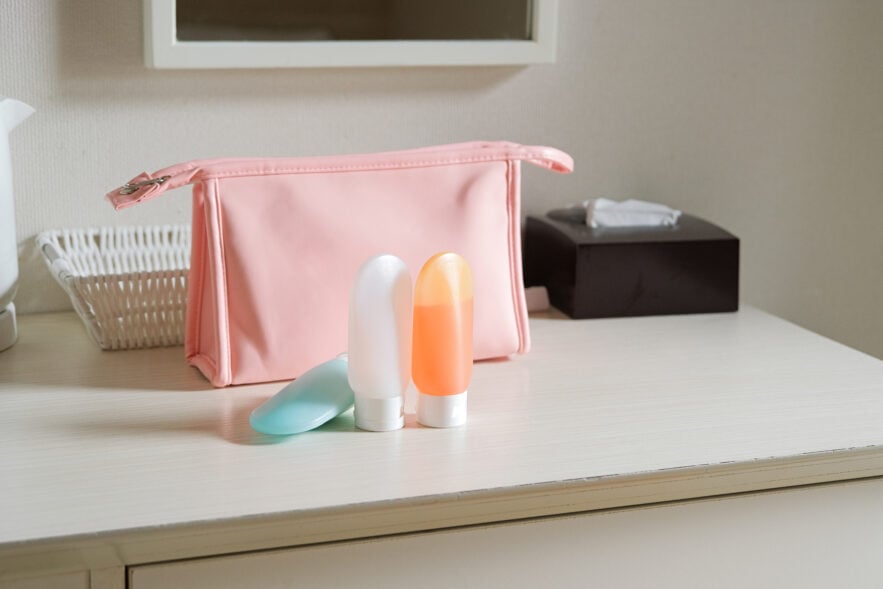
There’s something undeniably exciting about stepping off a plane in a new destination. But while your mind is ready to explore, your skin might be sending a very different message. Breakouts, dryness, puffiness — travel has a way of throwing your complexion completely off balance. Understanding why it happens is the first step to keeping your skin healthy no matter where you go.
Why Travel Disrupts Your Skin
Your skin thrives on routine and consistency. Travel disrupts both.
Cabin air is notoriously dry. The low humidity levels inside an aircraft cabin strip moisture from your skin faster than almost any other environment. Hours at altitude can leave your complexion feeling tight, flaky, and dull by the time you land.
Then there’s the change in climate and water quality. Moving from a dry desert environment to a humid coastal city — or vice versa — forces your skin to adapt quickly. Hard water in a new location can also irritate sensitive skin and interfere with how well your products absorb.
Disrupted sleep and jet lag add another layer of stress. When your body clock is off, cortisol levels rise, which can trigger inflammation, breakouts, and increased oil production. Add fatigue to the mix, and your skin’s natural repair process slows down significantly.
Finally, travel often means dietary changes, more alcohol, more processed food, and less water — all of which show up on your skin eventually.
The Most Common Skin Issues Travelers Face
- Dehydration and dryness — the most universal complaint, especially after long-haul flights
- Breakouts — caused by stress, sweat, touching your face more, and clogged pores from sunscreen or new products
- Puffiness — particularly around the eyes, linked to poor sleep and salty airplane food
- Sensitivity and redness — new climates, tap water, and sun exposure can all trigger reactions
What You Can Do About It
The good news? A few simple adjustments can make a real difference.
Start with a reliable facial cleanser. When you’re traveling, this is the one product you should never skip. A good facial cleanser removes the buildup of sweat, sunscreen, pollution, and environmental grime that accumulates throughout the day. Look for a gentle, hydrating formula that won’t strip your skin’s natural moisture barrier — especially important when you’re already dealing with dry cabin air or a new climate.
Simplify your routine. Travel isn’t the time for a ten-step regimen. Pare it back to the essentials: a facial cleanser, a moisturizer, and SPF. Less is more when your skin is already under stress.

Hydrate from the inside out. Drink water consistently, especially during flights. Herbal teas are a good alternative. Avoid excessive alcohol and caffeine, both of which accelerate dehydration.
Don’t touch your face. Airports, planes, and public spaces are high-contact environments. Keeping your hands away from your face reduces the risk of transferring bacteria and causing breakouts.
Adjust your moisturizer to the climate. Heading somewhere humid? A lightweight gel moisturizer will do. Going somewhere cold and dry? Reach for something richer and more occlusive to lock in hydration.
Protect your skin barrier. A travel-sized facial mist can be a game-changer on long flights — a few spritzes help counteract the relentlessly dry air.
Final Thoughts
Travel will always put some demands on your skin — that’s just part of the experience. But with a little preparation and a streamlined routine anchored by a dependable facial cleanser, you can keep your skin calm, clear, and comfortable no matter where your itinerary takes you. Your complexion doesn’t have to suffer just because you’re on the move.