

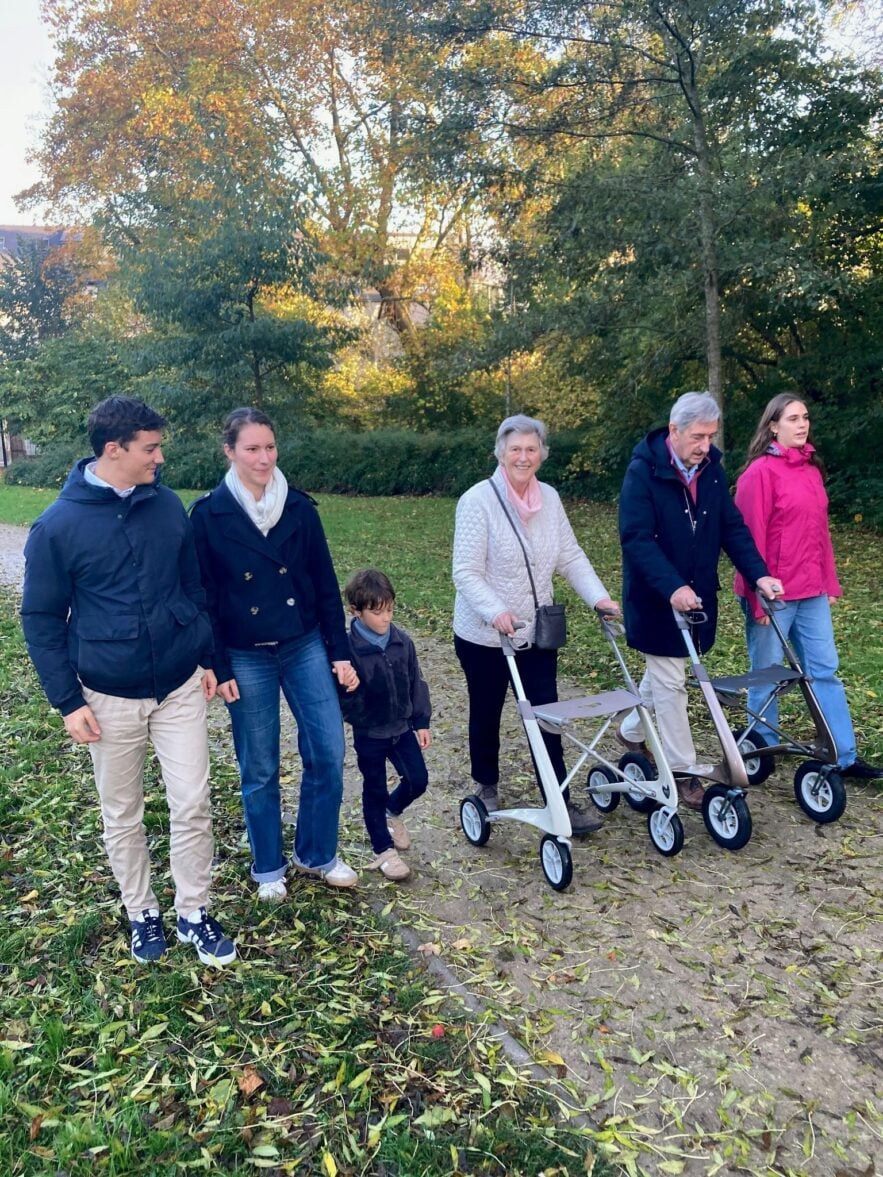
For decades, elder care has been measured by one primary goal: keeping older adults safe. Families evaluated care based on whether their loved ones received the assistance they needed, medications were managed correctly, and daily tasks were completed. While those priorities remain essential, they no longer tell the whole story.
As Americans continue to live longer and choose to age in place, expectations around caregiving are changing. Today’s older adults are not simply looking for support. They want to maintain their routines, preserve their independence, and continue making decisions about how they live. Increasingly, families are recognizing that quality care is about more than providing help. It is about helping someone continue to live life on their own terms.
This shift is prompting a broader conversation about what good elder care should look like in the years ahead.
Traditional caregiving models have historically centered on completing necessary tasks. Caregivers help with bathing, dressing, meal preparation, medication reminders, transportation, and other daily responsibilities that become more challenging with age. These services remain vital, particularly for individuals managing chronic conditions or recovering from illness.
However, a task-based approach can sometimes unintentionally reduce the role of the older adult in their own care. When every decision is made on someone’s behalf, even with the best intentions, opportunities to maintain confidence, independence, and personal identity can gradually diminish.
Older adults today are increasingly seeking something different. Many want assistance without feeling as though they have surrendered control over their lives. They want support that adapts to their preferences rather than expecting them to adapt to a standardized routine.
This growing emphasis on autonomy has contributed to the rise of more person-directed approaches to caregiving. Rather than asking only what tasks need to be completed, families and care providers are beginning to ask a different question: How can we help this individual continue participating in their own life for as long as safely possible?
That subtle shift changes the entire caregiving experience.
One approach gaining attention is known as care partnering, a philosophy that views the older adult as an active participant rather than a passive recipient of care.
According to Jim Prussak, CEO of Applause Home Care, the distinction is simple but meaningful.
Instead of automatically taking over daily responsibilities, care partners focus on understanding each person’s routines, preferences, abilities, and simple pleasures. They encourage individuals to continue doing what they can independently while providing support where it is genuinely needed.
This collaborative relationship recognizes that independence is not an all-or-nothing concept. Someone may no longer be able to prepare every meal or drive to appointments, but they can still participate in decisions, contribute to daily routines, and maintain meaningful aspects of their lifestyle.
That participation can have a profound impact on emotional well-being.
Maintaining independence is closely connected to preserving dignity and self-confidence. Small moments of choice, whether selecting what to wear, deciding when to eat lunch, sharing stories, or participating in familiar hobbies, reinforce a person’s sense of identity. These routines often provide comfort, stability, and purpose during a stage of life that can otherwise involve significant change.

Prussak believes effective caregiving begins by recognizing what someone can still do rather than focusing only on what they can no longer accomplish.
Every individual has unique interests, habits, and ways of connecting with others. Learning those preferences allows caregivers to build relationships based on trust instead of simply completing a checklist of responsibilities.
This approach also reflects a larger cultural shift in how families think about aging. Many older adults are choosing to remain in their homes for as long as possible, surrounded by familiar environments, neighbors, and daily routines that contribute to their overall quality of life. As a result, personalized care has become increasingly important.
Companies like Applause Home Care have embraced care partnering as a way to support both independence and safety. Rather than replacing the individual’s role in daily life, the goal is to preserve it whenever possible, adapting care as needs evolve while keeping the person at the center of every decision.
As the nation’s population continues to age, the future of elder care may no longer be defined solely by the services that are provided. It may instead be measured by how well those services protect something equally important: a person’s ability to remain themselves.
Because the best care is not simply about doing more for someone. It is about empowering them to continue living with dignity, purpose, and as much independence as possible.