

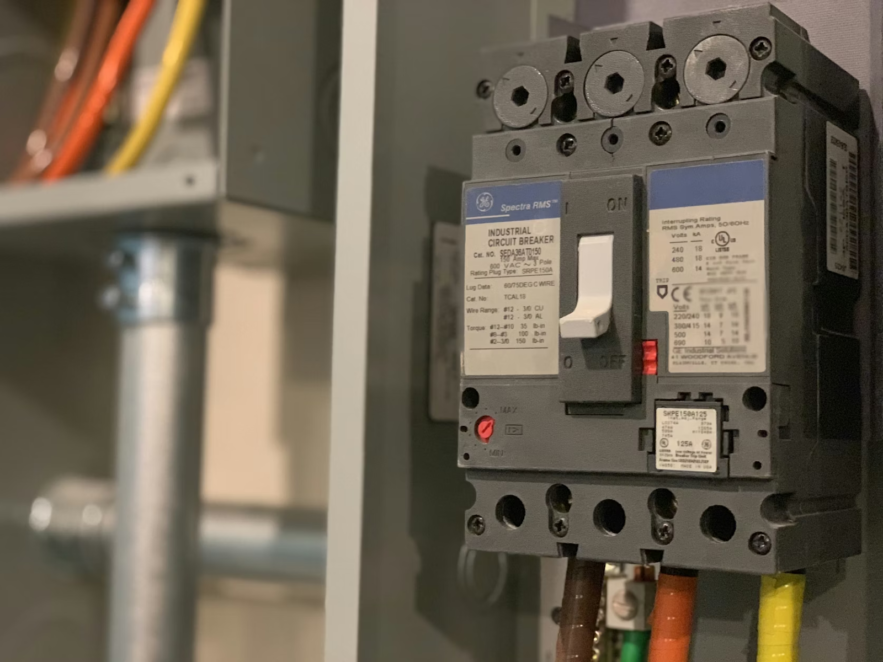
Electrical equipment wholesalers are facing a new reality in 2026—one defined by supply chain volatility, shifting demand patterns, and increasing pressure to deliver with speed and precision. Global disruptions, fluctuating material costs, and evolving customer expectations are forcing electrical equipment wholesalers to rethink traditional distribution models.
In response, electrical equipment wholesalers, electrical supply distributors, electrical equipment distributors, commercial electrical wholesalers, and electrical equipment suppliers are turning to data-driven strategies to improve resilience, efficiency, and performance.
The Impact of Supply Chain Volatility
Supply chain volatility has become one of the most significant challenges for electrical equipment wholesalers. Disruptions caused by geopolitical factors, raw material shortages, and transportation constraints have made it difficult to maintain consistent inventory levels.
Electrical supply distributors must now navigate unpredictable lead times while ensuring that customers receive critical components on schedule. Electrical equipment distributors are also under pressure to maintain availability across increasingly complex product portfolios.
Commercial electrical wholesalers are particularly affected, as they often serve large-scale construction and infrastructure projects that cannot tolerate delays. Electrical equipment suppliers, meanwhile, must adjust production schedules in response to fluctuating demand.
In this environment, traditional reactive approaches are no longer sufficient.
The Rise of Data-Driven Distribution Models
To address these challenges, electrical equipment wholesalers are adopting data-driven distribution models that rely on real-time insights and predictive analytics.
These models enable electrical equipment wholesalers to:
- Monitor inventory levels across multiple locations
- Analyze demand trends and forecast future needs
- Identify potential supply chain disruptions early
- Optimize procurement and replenishment strategies
Electrical supply distributors benefit from improved visibility and more accurate decision-making. Electrical equipment distributors can respond more quickly to changes in demand, while electrical equipment suppliers gain better insight into market needs.
For commercial electrical wholesalers, data-driven models provide the agility required to manage complex, high-volume projects.
Advanced Demand Forecasting and Planning
Accurate demand forecasting is critical for navigating supply chain volatility. Electrical equipment wholesalers are leveraging AI and machine learning tools to analyze historical data, market trends, and external factors.
Electrical supply distributors can use these insights to anticipate demand spikes and adjust inventory levels accordingly. Electrical equipment distributors benefit from reduced stockouts and improved service levels.
Electrical equipment suppliers also gain from more predictable demand signals, allowing for more efficient production planning and reduced waste.
For commercial electrical wholesalers, advanced forecasting ensures that projects remain on schedule despite market uncertainties.
Real-Time Supply Chain Visibility
Visibility across the supply chain is essential for managing volatility. Electrical equipment wholesalers are investing in digital platforms that provide real-time tracking of inventory, shipments, and supplier performance.
Electrical supply distributors can monitor the movement of goods from manufacturer to warehouse to customer, enabling faster response to delays or disruptions. Electrical equipment distributors benefit from improved coordination and reduced lead times.
Electrical equipment suppliers can use this data to optimize production and distribution strategies.
For commercial electrical wholesalers, enhanced visibility strengthens resilience and ensures that customer commitments are met.
Automation and Operational Efficiency
Automation is playing a key role in helping electrical equipment wholesalers manage supply chain complexity. Automated systems are replacing manual processes in areas such as inventory management, order processing, and logistics.
Electrical supply distributors are using automation to streamline operations, reduce errors, and improve efficiency. Electrical equipment distributors can process orders faster and with greater accuracy.
Electrical equipment suppliers benefit from more consistent and predictable demand patterns, while commercial electrical wholesalers gain the ability to scale operations without increasing overhead.
Automation also enables faster response times, which is critical in a volatile market.
Diversification of Supplier Networks
One strategy electrical equipment wholesalers are using to mitigate supply chain risk is diversification. Relying on a single supplier or region can create vulnerabilities, particularly during disruptions.
Electrical supply distributors are expanding their supplier networks to include multiple sources, reducing dependence on any one provider. Electrical equipment distributors can maintain continuity even when disruptions occur.
Electrical equipment suppliers are also adapting by offering more flexible production and distribution options.
For commercial electrical wholesalers, supplier diversification is a key component of building a resilient supply chain.
Smart Logistics and Adaptive Fulfillment
Logistics is another area where electrical equipment wholesalers are innovating. Smart logistics technologies, including route optimization and real-time tracking, are enabling more efficient delivery processes.

Electrical supply distributors can adjust delivery routes dynamically based on traffic conditions and demand changes. Electrical equipment distributors benefit from faster and more reliable fulfillment.
Electrical equipment suppliers gain better visibility into distribution patterns, allowing for improved coordination.
For commercial electrical wholesalers, adaptive fulfillment ensures that products reach customers on time, even in challenging conditions.
Strengthening Collaboration Across the Ecosystem
Collaboration is essential for navigating supply chain volatility. Electrical equipment wholesalers, electrical supply distributors, electrical equipment distributors, and electrical equipment suppliers must work together to share data and align strategies.
Digital platforms are facilitating this collaboration by enabling real-time communication and data sharing. This allows all stakeholders to respond more effectively to market changes.
Commercial electrical wholesalers play a central role in coordinating these efforts, ensuring that supply meets demand efficiently.
Enhancing Customer Experience in a Volatile Market
Despite supply chain challenges, customer expectations remain high. Electrical equipment wholesalers must continue to deliver reliable service, accurate timelines, and transparent communication.
Electrical supply distributors are using digital tools to provide real-time updates on inventory and shipments. Electrical equipment distributors are offering flexible ordering options and personalized support.
Electrical equipment suppliers benefit from stronger relationships with distributors and end customers.
For commercial electrical wholesalers, maintaining a high level of customer service is critical for building trust and long-term partnerships.
Conclusion
Electrical equipment wholesalers in 2026 are navigating supply chain volatility by adopting data-driven distribution models, advanced analytics, and smart logistics strategies. Electrical supply distributors, electrical equipment distributors, commercial electrical wholesalers, and electrical equipment suppliers are all contributing to this transformation.
By leveraging real-time data, automation, and collaboration, electrical equipment wholesalers can improve resilience, optimize operations, and meet the demands of a rapidly changing market.
As the industry continues to evolve, those that embrace data-driven approaches will be best positioned to succeed. In this new landscape, electrical equipment wholesalers are not just distributors—they are strategic operators driving efficiency and stability across the supply chain.