

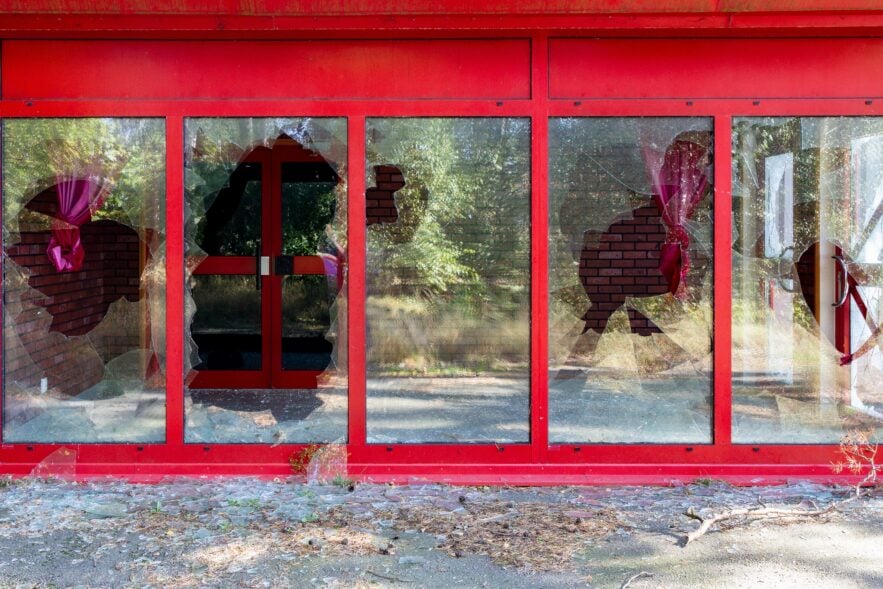
Fire damage, flooding, storm impacts, or even a burst pipe can bring a thriving retail business to a standstill overnight. But the real challenge often isn’t the initial disaster—it’s what happens in the weeks and months that follow. How do you rebuild your storefront while keeping the customers who kept you in business in the first place?
Restoration and reconstruction don’t have to mean an extended goodbye to your customer base. With the right approach, you can navigate repairs while maintaining the relationships that matter most.
Communicate Early and Often
The moment you know your storefront needs restoration work, start talking to your customers. Silence breeds assumptions, and assumptions often lead people straight to your competitors.
Post updates on your website and social media channels explaining what happened and what your timeline looks like. Be honest about the scope of the rebuilding process, even if the news isn’t great. Customers respect transparency far more than they respect a business that goes quiet and disappears.
If you have an email list, use it. A simple message explaining the situation, along with regular updates as reconstruction progresses, keeps your brand top-of-mind. People are far more likely to wait for you to reopen if they feel included in the journey rather than left wondering what happened.
Maintain a Presence During Restoration
Just because your physical storefront is out of commission doesn’t mean your business has to be invisible. Consider temporary solutions that keep revenue flowing and customers engaged while reconstruction happens behind the scenes.
A pop-up location, even a small one, can maintain foot traffic and remind your community that you’re still open for business. If a physical presence isn’t feasible, doubling down on e-commerce or offering local delivery can bridge the gap. Many businesses discover during restoration that online sales channels they’d neglected suddenly become vital lifelines.
Partnering with a nearby business for temporary shelf space or a shared storefront is another option worth exploring. It’s a way to stay visible without waiting for your own space to be fully restored.
Work With Restoration Professionals Who Understand Retail
Not all restoration and reconstruction contractors operate at the same pace or with the same priorities. When selecting a team to rebuild your storefront, look for professionals who understand that time is money in retail. Every extra week of downtime is lost revenue and a chance for customers to form new shopping habits elsewhere.
Ask potential contractors about their experience with commercial retail spaces specifically. A team well-versed in restoring retail environments will understand the urgency, know how to sequence work efficiently, and can often identify phased reopening opportunities—getting part of your store operational while reconstruction continues in other areas.
Clear communication with your restoration team is just as important as communication with your customers. Set expectations for timelines upfront and build in regular check-ins so you’re never caught off guard by delays.
Consider a Phased Reopening
You don’t need to wait until every last detail of the rebuild is finished to welcome customers back. A phased reopening allows you to restore sections of your storefront incrementally, giving customers a reason to return sooner rather than later.

If your reconstruction involves multiple areas of the store, prioritize the sections most critical to your sales. Getting your highest-traffic zones back online first can significantly soften the financial hit of a full closure. Customers appreciate seeing progress, and a partially restored store signals momentum rather than uncertainty.
Turn the Restoration Into a Story
Every rebuilding process has a narrative, and customers often respond well to being part of it. Consider documenting your restoration journey through photos or short videos shared on social media. Showing the transformation from damage to a refreshed, revitalized space builds anticipation for your grand reopening.
This approach does double duty: it keeps your business visible during the restoration period and creates excitement for what’s coming. A storefront that emerges from reconstruction with a fresh look, better layout, or upgraded features can feel like an upgrade rather than a setback, giving customers something to look forward to rather than something to mourn.
Reward Loyalty When You Reopen
When reconstruction wraps up and your doors reopen, show appreciation for the customers who stuck with you. A reopening event, special discount, or loyalty bonus goes a long way in acknowledging their patience and rebuilding momentum quickly.
Restoration is never convenient, but how you handle the process determines whether customers view your storefront’s return as a triumphant comeback or a forgotten memory. With clear communication, smart temporary solutions, and a genuine commitment to your community, you can rebuild stronger than before.