

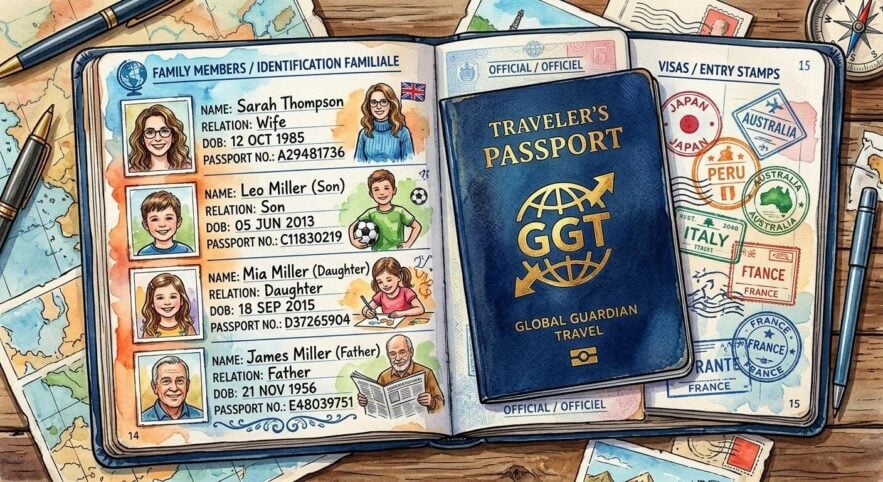
Passport Parent Details Raise Questions About Family Privacy
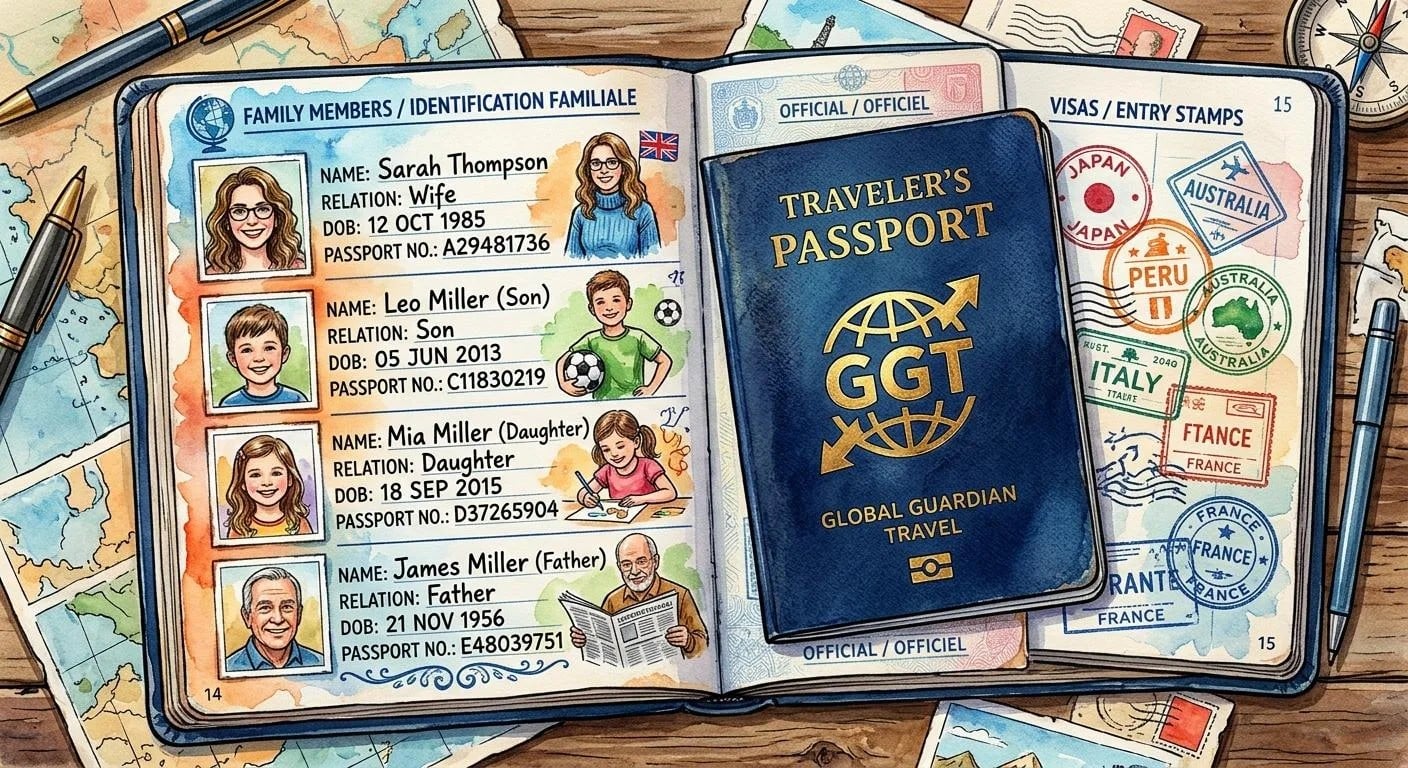
Recording family information inside a travel document invites examination of who can access those details, why an organization needs them and how copies should be handled, particularly when a child’s passport reveals information about adults as well.
WASHINGTON, DC, October 27, 2026: When a passport includes information about a holder’s parents or guardians, its privacy implications extend beyond the person traveling, raising questions about document inspection, unnecessary copying and the handling of family details after a transaction ends.
The issue concerns the information actually recorded in a particular document, since passport designs differ and families should distinguish details printed inside the booklet from information supplied during an application or stored electronically by the issuing authority.
For parents, the practical task is to understand what each requested page reveals and why it is needed, while recognizing that border inspections, passport applications and commercial identity checks may operate under different legal requirements and information-handling rules.
A Child’s Document Can Reveal Information About Others
Where a passport contains parental names, photographs or other family particulars, a copy of those pages can disclose information about people who are not presenting their own documents and may not be participating directly in the transaction.
That makes the scope of a copying request important, because an organization seeking to identify a child could receive additional family information if it routinely requests every page without explaining which details are necessary for its stated purpose.
The concern is especially clear when several documents are combined, since a passport, consent letter and supporting court record can collectively describe relationships and arrangements that no single page would fully reveal to someone reviewing the packet.
Families can begin by examining their own document and identifying which pages contain information about other people, creating a practical understanding of what would be disclosed before sending photographs or scans in response to a request.
Inspection and Copying Create Different Privacy Questions
Showing a passport for inspection and allowing an organization to retain an image are distinct actions, because a retained copy creates a record that can remain accessible after the document has been returned and the immediate interaction has ended.
Before supplying a copy to a commercial service, a parent can ask whether visual inspection is sufficient, which pages must be recorded, and what purpose requires retention, while recognizing that the answer may depend on applicable rules.
A hypothetical organization might need to confirm the child’s identity but have no operational reason to retain a separate page containing parental photographs, making a request for clarification useful before the family provides the entire booklet.
This discussion should focus on the specific transaction, rather than assuming all copying is improper or that every organization has identical authority to inspect, record, and keep information from a government-issued travel document.
Collection Should Have an Identified Purpose
The Office of the Privacy Commissioner of Canada’s guidance on limiting personal information collection explains that organizations subject to PIPEDA should collect only the information needed for legitimate, identified purposes and ensure staff can explain why it is required.
That framework provides a useful basis for asking why a service needs parental information in a child’s document, although you must first establish the law governing a particular organization before assuming Canadian private-sector requirements apply.
For families, a specific question is more useful than a general objection, such as asking whether the requested parent-information page is needed to establish authority, comply with a legal obligation or satisfy another clearly described requirement.
An organization’s response should help the parent understand the connection between the requested information and the service, while unexplained instructions to upload everything can reasonably prompt a request for clarification through the organization’s official support or privacy channel.
Border Checks and Commercial Requests Need Separate Assessment
A lawful border examination operates in a different setting from a request made by a private booking service, so families should avoid treating advice about reducing unnecessary commercial disclosure as permission to obstruct an authorized inspection.
Parents can prepare by checking official requirements for the journey and carrying the documents needed to explain their relationship to the child, while directing questions about government collection or retention to the responsible agency’s published privacy information.
For commercial requests, the family can separately review the organization’s identity, purpose, and submission process, especially when an unfamiliar intermediary asks for passport pages not mentioned during the original booking or application process.
Keeping these situations distinct supports more precise decisions, because a document that must be presented to an official does not automatically need to be distributed to every company assisting with accommodation, transport or related travel arrangements.
Copies Can Spread Beyond the Original Recipient
A passport image can move through email attachments, shared folders, customer-service systems, and downloaded files, so ask which organization controls the information and whether other service providers handle it on that organization’s behalf.
Families should verify the destination before uploading documents, using contact information obtained independently through the organization’s established channels when a message arrives unexpectedly or requests a different submission method from the one previously described during the transaction.
A secure upload process can help protect transmission, but parents should also ask about access after submission, because transfer security does not explain how many employees can retrieve the file or how long it remains available.
When another family member assists with travel arrangements, agreeing on who will submit the documents can reduce duplicate copies, repeated forwarding and uncertainty about which version was sent to which organization for a particular purpose.
Retention Deserves Its Own Explanation
The Canadian privacy commissioner’s guidance on retention and disposal explains that retention should relate to identified purposes and applicable legal requirements, while emphasizing that no single retention period suits every organization or category of personal information.
Parents can therefore ask how long passport copies are retained, what determines that period and what happens afterward, rather than assuming that the end of a holiday or completion of identity verification automatically triggers deletion everywhere.
A useful response distinguishes records still needed for a stated purpose from temporary working copies, explains any legal obligation that prevents immediate deletion, and identifies the organization responsible for answering further questions about its handling practices.
Families should also distinguish their own deletion actions from the recipient’s retention, because removing an attachment from a personal inbox does not establish that the organization receiving it has removed its stored copy or related records.
Redaction Requires Agreement and Care
If an organization agrees that particular information is unnecessary, parents can ask whether it will accept a limited or redacted copy and confirm the permitted format before making changes that might prevent the document from meeting the stated requirement.
Apply any agreed redaction only to the copy being prepared, and keep the original passport intact and available for required inspection, avoiding alterations that could damage the document or obscure its official contents.
Families should also verify that the final shared file actually excludes the information they intended to remove, because placing a movable shape over text in an editable document may leave the underlying details available to the recipient.
When a competent authority requires a complete image, clarify the requirement and submission safeguards rather than assume privacy concerns permit an incomplete record or an inaccurately described document.
Printed Details and Electronic Data Are Separate Questions
A parent-information page does not indicate what information is stored on the passport’s electronic chip, so families should avoid assuming every printed detail is available through an NFC reader or included in every automated inspection.
Amicus International Consulting’s guide to scanning a passport’s NFC chip and understanding the results explains the difference between reading electronic information and interpreting authentication results, giving travelers context for what a smartphone application actually displays.
Before using an application with a child’s document, a parent should review its stated handling practices, including whether it processes data locally, uploads information, and retains reports or images beyond the immediate reading session.
A successful technical check does not answer those privacy questions, just as a recognizable portrait on a screen does not establish that the application’s storage, sharing or deletion practices are appropriate for the family’s intended use.
Photographs and Backups Need Deliberate Handling
Photographing passport pages can create useful recovery records, but families should decide where those images belong before capturing them, especially when a device automatically synchronizes photographs to accounts, shared albums or other services used by several people.
A dedicated, protected storage location can make document management more predictable than leaving sensitive images among everyday photographs, with access limited to adults who need the records for the child’s travel or related administrative tasks.
Parents should review sharing permissions and account access when arrangements change, such as after replacing a phone or ending a shared travel-planning arrangement, so copies do not remain accessible merely because an earlier configuration was forgotten.
Paper copies require similar attention, including where they are carried, who can retrieve them and how surplus duplicates are disposed of, while any official originals should be handled according to the issuing authority’s requirements and instructions.
Family Safety Can Make Disclosure More Sensitive
Information identifying a parent or guardian can have particular significance where a family is managing abuse, protective orders or restrictions on contact, making it important to discuss document-sharing concerns with an appropriate adviser before distributing supporting records.
A passport page may not show the full situation, but combining it with accommodation details, consent forms, or correspondence could reveal additional information, so preparation should consider the complete packet rather than reviewing each document in isolation.
The adult handling the paperwork should explain any relevant safety restrictions to the professional advising on the journey, so they can address questions about necessary disclosure and permitted communication within the family’s legal and practical circumstances.
Privacy precautions should support lawful travel and existing protections, with uncertainties resolved through the appropriate authority rather than by concealing required information, altering official documents or asking a child to manage sensitive explanations during an inspection.
Organizations Need Controls Beyond a Privacy Notice
The Canadian Privacy Commissioner’s security guidance describes reasonable safeguards against unauthorized access, use, disclosure, and copying, reinforcing that organizations handling personal information need operational protections rather than relying solely on a general statement that privacy is important.
For a business receiving children’s passport copies, practical questions include which staff roles need access, whether files can be downloaded unnecessarily, and how employees distinguish the information required for verification from additional family details contained in the same image.
Procedures should also address accidental submission of excess documents, giving staff a way to identify unnecessary material and handle it appropriately rather than allowing every uploaded page to become a permanent part of the customer’s record.
Families assessing a service can ask who handles privacy concerns and how mistakes are corrected, seeking a clear route for questions about a misdirected attachment, an incorrect record, or information collected beyond the purpose originally explained.
A Clear Document Plan Supports Both Travel and Privacy
Before departure, parents can decide which documents are needed, which organizations will receive copies, and which family members will manage submissions, reducing duplication while keeping required records accessible for legitimate checks throughout the planned journey.
Children can learn age-appropriate habits for keeping passport and document photos private, while adults remain responsible for deciding what to share and explaining why an official or service provider may need specific information during travel.
After the trip, reviewing temporary copies and outstanding document requests can help families close the process deliberately, keep what remains necessary, and address deletion questions without assuming every recipient follows the same schedule or legal requirements.
Parental details inside a passport can support document checks while also widening the information exposed by a copy, making careful collection, controlled access, and clear retention practices important parts of protecting the privacy of the whole family.