

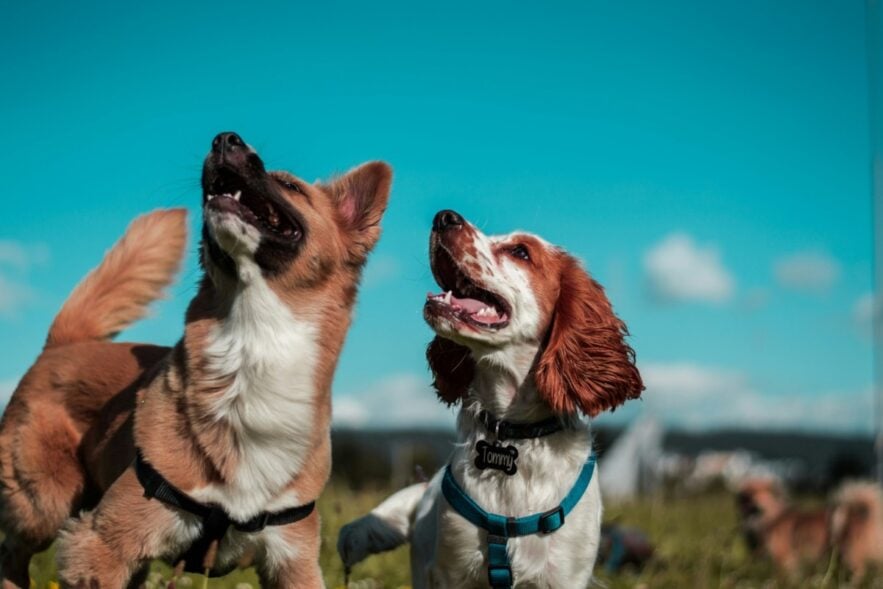
For many dog owners, treats are simply a way to reward good behaviour or celebrate a successful training session. However, chewing serves a much greater purpose, particularly for larger breeds. From supporting mental stimulation to encouraging healthy chewing habits, providing appropriate chews can become an important part of a dog’s daily routine rather than an occasional indulgence.
Large dogs naturally have stronger jaws and a greater desire to chew than many smaller breeds. Giving them suitable chews not only provides enjoyment but can also help reduce boredom, redirect destructive behaviour and contribute to overall wellbeing. The key is choosing chews that are appropriate for your dog’s size, age and chewing style.
Why Large Dogs Have Different Chewing Needs
Every dog enjoys chewing to some extent, but larger breeds often require products that can withstand greater bite strength and longer chewing sessions. A chew that works perfectly for a small breed may be consumed quickly by a Labrador, German Shepherd or Golden Retriever, reducing both its value as an enrichment activity and, in some cases, its safety.
Larger dogs also tend to exert more force when chewing, making durability an important consideration. Choosing products that are too small or unsuitable for powerful chewers can increase the risk of accidental swallowing or rapid breakage.
Age also plays a role. Growing puppies need softer options that support developing teeth, while healthy adult dogs may benefit from more robust chews that satisfy their instincts. Senior dogs, on the other hand, may prefer products that are easier on ageing teeth while still providing mental engagement.
Understanding these differences helps owners make more informed choices when selecting treats and chews for everyday use.
More Than Just a Treat
Chewing is a natural canine behaviour that offers benefits extending far beyond taste alone. When incorporated into a dog’s routine, appropriate chews can contribute to both physical and mental wellbeing.
Some of the key benefits include:
- Helping satisfy natural chewing instincts
- Providing mental stimulation and enrichment
- Reducing boredom during quiet periods
- Offering a positive outlet for excess energy
- Supporting relaxation after exercise
- Encouraging healthy teeth and gums through mechanical chewing action
Many owners notice that offering a suitable chew during downtime helps keep their dog occupied, particularly when visitors are present or during evenings when activity levels naturally decrease.
For dogs that spend periods alone during the day, supervised access to appropriate chews can also become part of a broader enrichment routine alongside toys, walks and interactive play.
Choosing the Right Chew
There is no single chew that’s right for every dog. The most suitable choice depends on your dog’s breed, age, chewing strength and the purpose of the treat.
| Chew Type | Best For | Benefits | Things to Consider |
| Natural long-lasting chews | Everyday enrichment | Long-lasting, satisfying and minimally processed | Always choose an appropriate size |
| Dental chews | Oral care routines | Can help reduce plaque build-up while encouraging chewing | Should complement regular dental care rather than replace it |
| Training treats | Obedience and recall | Small, convenient rewards during training sessions | Designed for quick rewards rather than extended chewing |
| Soft treats | Puppies and older dogs | Easy to chew and digest | Less suitable for prolonged chewing sessions |
When searching for the best dog treats for large dogs, it is worth looking beyond flavour alone. Consider whether the treat is appropriately sized, made with quality ingredients and suitable for your dog’s individual chewing habits. Products designed specifically for larger breeds often provide a better balance of durability and enjoyment.
Safety Should Always Come First
Providing suitable chews is only one part of responsible ownership. Choosing products that match your dog’s individual needs helps reduce unnecessary risks while allowing them to enjoy the benefits of chewing safely.
A few practical guidelines include:
- Select chews that are appropriate for your dog’s size and jaw strength.
- Supervise your dog when introducing any new chew.
- Replace products that become excessively worn or damaged.
- Introduce new protein sources gradually if your dog has dietary sensitivities.
- Avoid allowing treats to make up too much of your dog’s daily calorie intake.
- Follow the manufacturer’s feeding recommendations where provided.
It’s also important to remember that every dog chews differently. Some dogs carefully work through a chew over an extended period, while others attempt to finish it as quickly as possible. Understanding your own dog’s habits can help you choose more suitable products.
Owners who are looking for the best dental chews for large dogs should also remember that dental chews work best as part of a wider oral care routine, alongside regular dental checks and, where possible, tooth brushing.

Building a Healthy Daily Routine
Chewing should be viewed as one element of a balanced lifestyle rather than an isolated activity. Alongside regular exercise, positive reinforcement training and a nutritious diet, appropriate chews can help support a happier and more content dog.
Many owners build chewing into predictable parts of the day. Offering a chew after a walk, following a training session or during periods of quiet time can provide structure while allowing dogs to relax and engage in natural behaviour.
Enrichment doesn’t always need to be complicated. Rotating different types of chews and toys can help maintain interest while preventing boredom, particularly for intelligent or active breeds that enjoy problem-solving and exploration.
Choosing Quality Over Quantity
It can be tempting to focus on the number of treats a dog receives, but quality often matters more than quantity. Selecting well-made products that suit your dog’s size and feeding routine can provide greater value while supporting overall health and wellbeing.
Simple factors such as ingredient quality, appropriate sizing and durability can make a noticeable difference to both safety and enjoyment. Rather than relying on frequent rewards, many owners choose a smaller number of carefully selected chews that provide longer-lasting engagement.
Final Thoughts
Chewing is much more than a way to reward good behaviour. For large dogs, it is a natural activity that supports mental enrichment, provides a positive outlet for chewing instincts and can contribute to healthy daily routines when suitable products are chosen.
By selecting chews that match your dog’s size, age and chewing style, owners can help create a safer and more rewarding experience. Combined with regular exercise, balanced nutrition and positive training, appropriate chews can become a valuable part of everyday life, helping large dogs stay happy, occupied and engaged for years to come.