

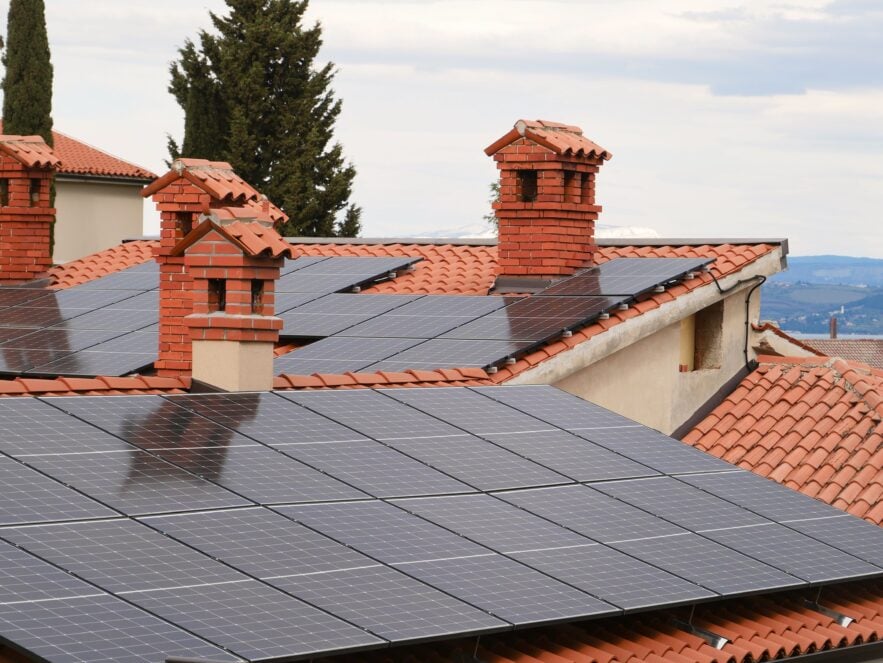
Making the switch to renewable energy is one of the smartest home upgrades you can make, but once you decide to utilize the sun, the immediate question becomes figuring out exactly how much equipment you actually need. Guessing isn’t a reliable strategy when it comes to powering your daily life. If you install too few panels, you’ll still pay high utility bills every month. On the flip side, if you buy too many, you’re spending money on excess capacity you don’t even use. Finding that perfect middle ground requires a bit of straightforward math and a realistic look at your household’s daily habits. Partnering with professionals to design a custom solar panel system ensures you get the engineering right from day one. Before you sign any paperwork, let’s break down the step-by-step process of figuring out exactly what it takes to cover your home’s unique energy requirements.
Calculate Your Current Daily Consumption
You can’t build a reliable energy solution if you don’t know your starting point. Your monthly electric bill holds the exact data you need. Grab a year’s worth of statements and look for your total kilowatt-hour usage. It’s crucial to look at an entire year rather than just one single month because our power habits fluctuate wildly with the changing seasons. You likely crank the air conditioning all summer long and rely on space heaters or furnace blowers in the dead of winter. Add up your total energy usage for the past twelve months and divide that number by 365. This gives you your average daily consumption. This specific number serves as the baseline target for sizing your entire project.
Evaluate Your Roof’s Real Estate and Exposure
Knowing how much power you need is only half the battle; you also have to determine how much power your roof can physically produce. The amount of direct sunlight your property receives directly impacts how many panels you’ll have to install. If you live in a sunny, southern climate with a clear, south-facing roof, a smaller setup will generate plenty of electricity to run your household. On the other hand, if you live in a cloudy region or have tall trees casting shadows over your shingles for half the day, you’ll need a larger array to compensate for the reduced light. Take a critical look at your roof’s pitch and surrounding obstacles. Professional installers factor in local weather patterns and shading to calculate your true solar potential.
Understand Panel Efficiency and Wattage
Not all panels are created equal. When you start comparing hardware, you’ll notice they come with varying wattage ratings, typically ranging from 250 to over 400 watts per panel. You’ll also see efficiency ratings, which measure exactly how well a specific panel converts sunlight into usable electricity. If you have a small roof with limited usable space, you’ll need to invest in high-efficiency, high-wattage panels to hit your daily energy goals. These premium options cost a bit more upfront, but they maximize every square inch of your roof. If you have plenty of space, you can opt for standard-efficiency panels. These often provide a more budget-friendly route while still easily meeting your household demands.
Plan for Your Future Energy Needs
Building a setup based solely on today’s electric bill is a surprisingly common mistake. You have to anticipate how your life will change over the next five to ten years. Are you planning to buy an electric vehicle soon? That alone will drastically increase your nightly power consumption. Maybe you’re thinking about adding a hot tub to the back patio, switching from a gas furnace to an electric heat pump, or expanding your family with a new baby. It’s much cheaper and easier to add an extra panel or two during the initial installation than it’s to upgrade your inverters and add new racking systems down the road. Sit down and map out any upcoming lifestyle changes so your setup grows right alongside you.
Decide Between Grid-Tied or Battery Storage
How you store and use your power also dictates the size of your installation. Many homeowners opt for a standard grid-tied setup. In this scenario, when your panels produce more juice than you’re currently using, the excess flows back into the municipal grid, earning you credits. When the sun goes down, you pull from those credits. If you live in an area with great net metering laws, this is a highly efficient way to operate. However, if you experience frequent power outages or want total energy independence, you’ll need to incorporate a battery backup. If you choose the battery route, you’ll need to size your array slightly larger so it can run your home during the day while simultaneously pushing enough surplus power into the batteries to get you through the night.

Switching to clean energy isn’t a one-size-fits-all process. Every home has a unique footprint, and every family has entirely different consumption habits. By calculating your daily usage, evaluating your roof space, picking the right hardware, and planning for the future, you take all the guesswork out of the equation. You’ll end up with a perfectly tailored setup that slashes your utility bills, increases your property value, and provides reliable power for decades to come. Taking the time to properly size your equipment guarantees a smooth transition to a brighter, more sustainable future.