

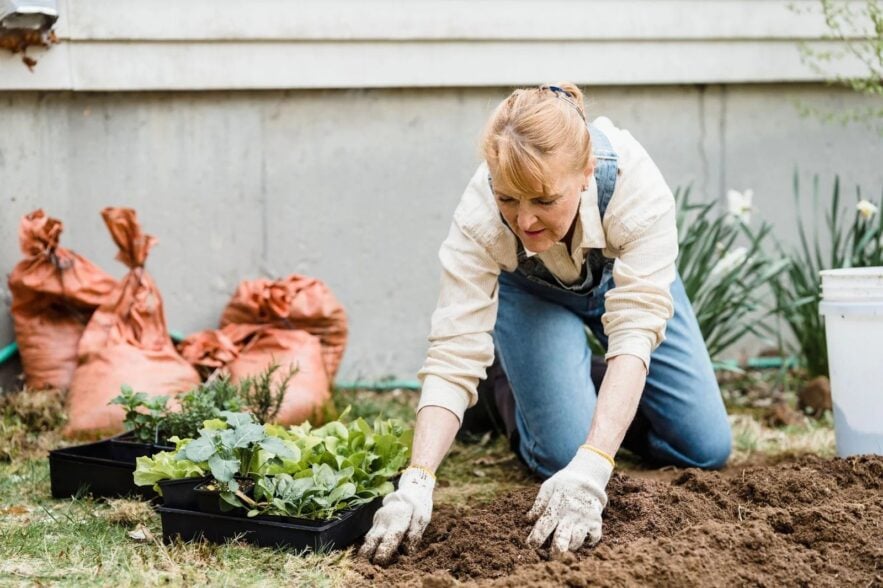
Photo: Greta Hoffman
Walk down the garden aisle of any local nursery this week, and you’ll find shelves filled with fertilizers, synthetic sprays, and powders promising instant blooms and bigger harvests. Social media adds to the trend with quick fixes for lush lawns and thriving plants, reinforcing the idea that every problem requires another product.
Yet adding more inputs rarely solves underlying plant problems and can sometimes make them worse. Healthy growth depends on soil quality, proper watering, sunlight, and a balanced ecosystem. By identifying the root cause of plant issues instead of treating visible symptoms, gardeners can build stronger, more resilient plants while reducing unnecessary products and supporting long-term soil health.
Overcoming the Quick Fix Mindset
For decades, consumer gardening has been driven by a quick fix culture. We treat plants the way people sometimes treat human health, looking for a pill or liquid shot to solve symptoms while ignoring the underlying foundation. When leaves turn yellow or stems stall, our first instinct is usually to reach for a heavy dose of synthetic fertilizer.
This approach can create a cycle of dependency, where growers keep adding products without addressing the conditions that caused the problem in the first place. Excessive fertilizers and chemical treatments can disrupt soil balance, harm beneficial microorganisms, and create new challenges for plant health. Instead of chasing immediate results, a more effective approach starts with understanding the soil, nutrient availability, and growing environment. By working with nature rather than constantly trying to override it, gardeners can support healthier growth from the ground up.
This approach overlooks a basic truth of nature. Soil is not an empty pot waiting to be filled with chemicals. It is a living, breathing ecosystem. When we pour concentrated nutrients into unbalanced ground, we often lock up the root system entirely. The nutrients might be sitting right there in the dirt, but the plant simply cannot drink them in.
Real growth happens from the ground up, starting with what lies beneath the surface long before a single green leaf emerges.
Listening to Everyday Growers
Spending time talking to people who actually work with dirt brings this perspective into sharp focus. At weekend markets and community plots across the country, everyday growers are beginning to express a shared sense of frustration. They follow the instructions on the back of store bought boxes, yet their gardens still struggle.
Olya Romanenko, who founded GroSuccess, a plan-care company that creates fertilizers made of with 100% organic materials and zero animal byproduct, after years of hands-on gardening and talking directly with visitors at local markets, sees this confusion play out constantly. Many people arrive at her table convinced they need stronger chemicals, when in reality their soil is just exhausted or locked in an improper pH balance. When soil acidity is off, adding extra fertilizer is like offering a feast to someone who cannot chew. The issue is not only a lack of food or doubts of its quality; it is an inability to process what is already on the plate.
Her observations highlight a growing awareness among home gardeners. People are tired of trial and error routines that leave their flower beds burned and their potted herbs drooping. They want to understand the life cycle of their plots, rather than blindly relying on flashy labeling.
The Power of Natural Organic Matter
Instead of constantly chasing fast acting synthetic fixes, the conversation is shifting back toward ancient, natural soil building blocks. Long before commercial farming existed, forests and natural landscapes sustained lush growth through the natural decay of plant matter over thousands of years.
Deep within lowland peat deposits, rich organic substances like humic and fulvic acids quietly do the heavy lifting that modern quick fixes try to imitate. These natural elements help open up the soil structure, making ground more porous, holding moisture efficiently, and encouraging beneficial microorganisms to thrive. Most importantly, organic matter works like a natural key, unlocking nutrients already present in the ground so plant roots can absorb them effortlessly.
Focusing on rich organic matter changes the entire dynamic of plant care. It moves the goalpost from forcing temporary growth spurts to building long term soil resilience. When the soil ecosystem is healthy and balanced, plants naturally develop stronger roots, better disease resistance, and vibrant yields without requiring constant chemical interventions.
Organic matter also improves the soil’s ability to retain moisture, regulate nutrient availability, and support the beneficial organisms that help plants thrive. Over time, these improvements create a more stable growing environment that can withstand changing weather conditions and reduce the need for frequent amendments. As Olya Romanenko emphasizes when discussing sustainable plant care, feeding the soil with rich organic inputs is what transforms raw dirt into a self-sustaining habitat for roots. Rather than relying on repeated applications to correct recurring problems, gardeners can invest in the foundation that supports lasting plant health, making their gardens more productive, sustainable, and far easier to maintain over time.
Rethinking What Belongs in Our Backyard
Discussions around sustainable living and regenerative growing techniques have once again swept through green spaces and online forums. More people are questioning what they put into their backyard gardens, especially when growing food for their families. As awareness of environmental sustainability and responsible gardening continues to grow, consumers are becoming more intentional about the products they choose and the long-term effects those products may have on their soil, plants, and surrounding ecosystems.

The realization that healthy growth starts in the dirt is changing how consumers evaluate garden products. A pretty bottle with bold claims is no longer enough. Conscious growers are asking better questions: What is actually inside this formula? Where did these ingredients originate? Is this product feeding my plant for a week, or is it building my soil for years to come?
These questions reflect a broader shift in gardening philosophy. Rather than measuring success exclusively by how quickly a plant grows or how many flowers bloom in a season, gardeners are beginning to consider the overall health of their growing environment. They are looking for solutions that support beneficial soil microorganisms, improve soil structure, and help plants access the nutrients they need over time. This approach recognizes that a thriving garden depends on more than what is applied to the surface; it depends on the complex biological relationships happening beneath it.
Looking Below the Surface
Gardening should be a rewarding connection to nature, not an endless cycle of troubleshooting symptoms with expensive off-the-shelf remedies. Yet when plants begin to struggle, it is easy to focus on what is immediately visible: yellowing leaves, slow growth, weak stems, or disappointing yields. These signs can tempt even experienced gardeners to reach for another liquid bottle or chemical treatment without first investigating the underlying conditions.
As GroSuccess Founder Olya Romanenko often points out to growers, most plant struggles stem not from a lack of fed nutrients, but from a soil environment that prevents roots from absorbing what is already there. “It could be that you have a wrong soil pH that precludes the plants from absorbing the nutrients that already exist there,” she said. In many cases, the real opportunity for improvement lies beneath the surface, where soil structure, moisture levels, pH, and microbial activity influence plant health every single day.
By prioritizing soil health over quick fixes, gardeners can support stronger roots, better nutrient availability, and more resilient plants. Healthy soil creates the foundation for steady growth and reduces the need for repeated treatments.
Before adding another product, assess watering, sunlight, drainage, and possible nutrient imbalances. A soil test can help identify underlying issues and guide targeted solutions.
Next time a plant struggles, look below the surface before reaching for more fertilizer. Lasting results come from understanding the soil and nurturing the conditions plants need to thrive.