

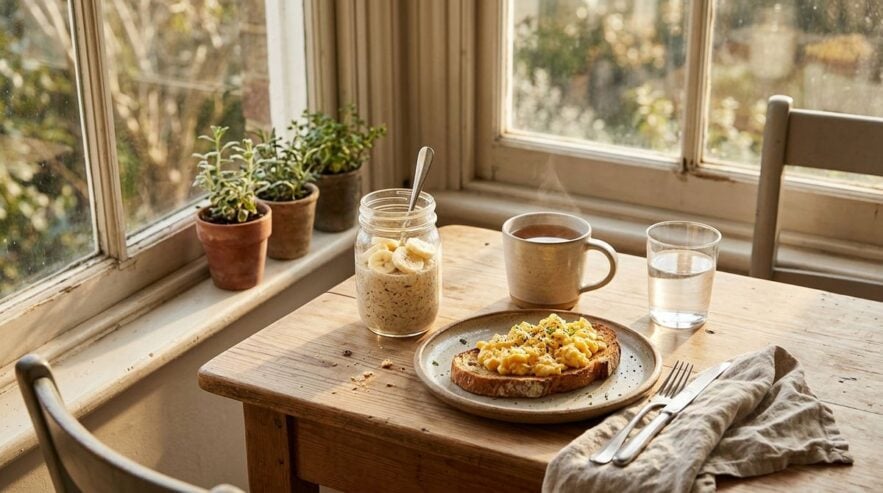
Opening your doors to friends and neighbors brings a refreshing sense of connection to urban life. Across a bustling metropolitan area, apartments and residential bungalows often serve as quiet refuges from congested freeways and demanding workweeks. Transforming those private spaces into a welcoming hub for an evening does not require an enormous floor plan, expensive interior design, or a background in professional hospitality. True hospitality centers on thoughtful preparation, personal ease, and building an environment where people feel comfortable lingering.
When visitors step into a home, they rarely evaluate whether every cushion sits in immaculate alignment or whether food arrives at an exact schedule. What stays in memory is the feeling of warmth, the scent of a comforting meal, and the natural flow of unhurried conversation. Cultivating that atmosphere begins with understanding how your existing space operates, choosing versatile household essentials, and keeping your gathering focused on shared comfort.
Clarifying Your Hosting Style and Space
Every residence has its own natural flow, and working with that layout creates a far more comfortable gathering than attempting to enforce a rigid arrangement. In compact urban dwellings, clear walkways matter far more than seating every guest around a single formal table. Arranging furniture into small, conversational clusters allows natural dialogues to unfold throughout the room without producing bottlenecks near doors or entryways.
Lighting sets the emotional tone long before dinner is served. Overhead ceiling fixtures often make a living room feel clinical and sharp, whereas gentle, diffused illumination immediately signals that the day is done. Placing small table lamps at varying levels, drawing window shades to soften exterior street lights, and using soft accent fixtures can quickly turn an ordinary space into an intimate retreat.
Staying inspired with fresh home styling concepts can also help you discover creative arrangements that suit your specific living quarters. When looking for current ideas on seasonal decor, thoughtful layout trends, and entertaining habits, browsing platforms such as trendfar.com provides practical perspective on what modern hosts are embracing to make their living spaces feel vibrant and accessible. Exploring these broader cultural fads and lifestyle movements helps clarify which design touches fit your personality and which can be skipped entirely.
Selecting Reliable Tools for the Kitchen and Table
A successful gathering rarely relies on specialized, single-purpose gadgets that clutter cupboards and counters. Instead, a dependable collection of multipurpose cookware and durable tableware forms the foundation of effortless hospitality. Enameled cast-iron pots, heavy rimmed baking sheets, and wide wooden cutting boards serve multiple functions, transitioning smoothly from the stove or oven straight to the center of a casual dining area.
Serving ware should balance visual charm with everyday durability. Sturdy ceramic plates, classic water glasses, and washable cloth napkins hold up to frequent use while lending a grounded, tactile quality to the table. When guests observe that the dinnerware feels substantial yet unpretentious, they feel far more relaxed about helping themselves to food or passing dishes across the room.
Curating a collection of dependable household goods requires patience and discernment. Rather than purchasing impulse items during hurried shopping trips, researching product quality and comparing options through dedicated consumer guides like shaftdeals.com allows you to discover well-crafted cookware, small appliances, and home essentials that offer long-term value. Taking time to review product performance helps you gather durable tools that support countless future evenings without adding unnecessary clutter to your storage shelves.
Designing a Simple and Engaging Food Menu
The food prepared for a gathering should support the gathering, not pull the host away from the people in attendance. Menus that demand last-minute frying or continuous stove monitoring often leave the host isolated in the kitchen while conversation happens elsewhere. Selecting dishes that can be assembled ahead of time or gently baked in an oven allows you to greet arrivals with your full attention and a calm demeanor.
Shared platters and family-style serving naturally encourage interaction among guests. Hearty grain bowls tossed with fresh herbs, slow-roasted root vegetables, braised meats, and crusty loaves of bread offer satisfying flavors without requiring precise presentation. Guests appreciate having the freedom to choose their own portions, and the visual variety of a generous communal platter establishes a welcoming, relaxed setting.
Drawing inspiration from regional markets and international pantry staples brings excitement to everyday recipes. If you have spent time cultivating a diverse culinary routine at home, translating those familiar flavors into communal meals feels entirely natural. Introducing fragrant spices, distinctive pantry condiments, or traditional slow-cooking techniques gives your menu personality while providing an easy conversation topic for guests who share an appreciation for diverse culinary traditions.
Structuring the Evening for Easy Flow
Creating an effortless rhythm for an evening comes down to anticipating basic guest needs before anyone arrives at the door. Setting up a dedicated station for beverages away from the primary food preparation area prevents crowded kitchens. When water carafes, glasses, and drinks are visible and accessible, guests can serve themselves right away without feeling like they are interrupting the host.

Music plays an essential yet understated role in shaping the energy of the room. A background playlist should provide subtle warmth without competing with speaking voices. Acoustic melodies, instrumental arrangements, or gentle rhythms fill pauses in conversation while remaining quiet enough that nobody needs to raise their voice across the table.
Completing minor preparations earlier in the afternoon helps prevent the rushed feeling that often accompanies hosting. Addressing practical details ahead of time leaves your mind clear to focus on conversation:
- Clear a designated space near the entryway for guest coats and bags.
- Empty the kitchen trash bin and dishwasher so cleanup stays manageable throughout the night.
- Set out small plates, glasses, and napkins where guests can easily spot them.
- Adjust the room thermostat slightly cooler to account for the body heat of extra visitors.
Embracing the Unscripted Moments of Hospitality
Even the most carefully organized gatherings will encounter unpredictable moments. A side dish might take longer to warm than planned, a drink might spill across a coffee table, or guests might arrive at different times. The secret to gracious hosting lies in greeting these small occurrences with good humor and perspective. When the host responds to an unexpected hitch with ease, the entire room feels comfortable and relaxed.
Hospitality is ultimately an ongoing practice of care rather than a flawless performance. It is about offering an open door where people can step away from the fast pace of urban life, share unhurried stories, and enjoy good food together. By focusing on practical preparation, reliable home essentials, and an unpretentious atmosphere, your living space can become a reliable source of warmth and community for everyone who enters.