

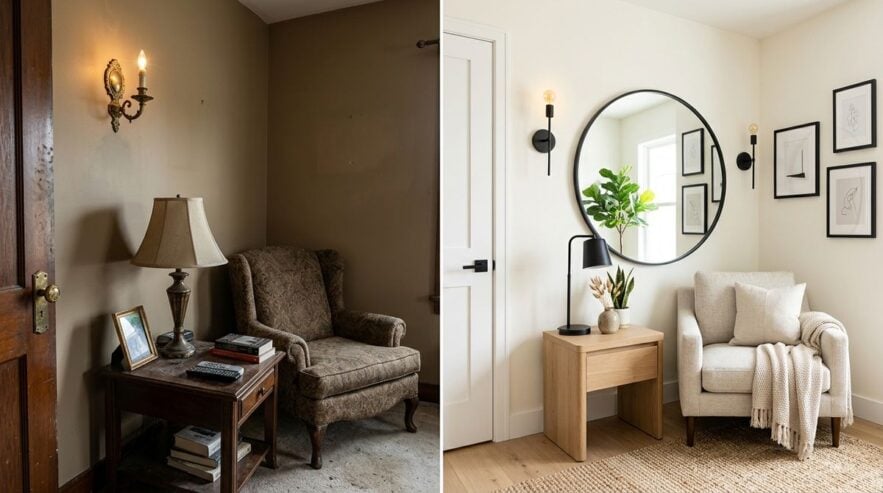
Living rooms bear the weight of everyday life. They host morning coffee, family conversations, quiet evenings with a book, and lively gatherings on weekends. Over time, heavy furniture, mismatched accessories, and fading paint can leave the room feeling sluggish and visually crowded. Many homeowners assume that reviving a tired space requires knocking down walls, hiring contractors, or enduring weeks of messy construction.
In reality, strategic adjustments often deliver a far more noticeable transformation than structural demolition. By rethinking how furniture flows across the floor, adjusting lighting levels, and introducing unified tactile materials, you can create a fresh and restful environment. Refreshing your living quarters comes down to understanding how you actually spend your time and curating your space to support those daily routines with ease.
Evaluating Flow and Clearing Visual Weight
Before adding anything new to a living room, you must examine the current layout with a critical eye. Furniture often settles into place on moving day and stays there for years, even when habits shift. Bulky coffee tables, overstuffed recliners, and disorganized shelving units can restrict pathways and make an otherwise spacious room feel cramped.
Start by pulling seating away from the perimeter walls. Floating a sofa slightly inward opens up circulation pathways and instantly creates an intimate conversation circle. Walk through the primary entryways to make sure you have clear walking lines toward adjacent rooms. If you must sidestep an end table or brush against a chair every time you cross the floor, that piece of furniture is disrupting the harmony of your home.
Decluttering open surfaces also resets the visual baseline. Clear out bookshelves, media consoles, and side tables completely before deciding what earns a spot back. Keep only items that provide comfort, practical utility, or genuine visual delight. Giving your decorative objects breathing room lets the architectural character of your home shine without distraction.
Balancing Natural and Ambient Lighting
Lighting dictates the emotional temperature of any living space. A common issue in older living rooms is reliance on a central harsh overhead fixture. This produces unflattering shadows and makes relaxing in the evening feel clinical. Transforming the atmosphere begins by establishing multiple light sources at varied heights throughout the room.
Pair low-profile floor lamps with warm table lamps on accent credenzas to create soft pools of illumination. Swapping out bright, cool bulbs for softer, warm-toned alternatives helps the entire room feel immediately more welcoming when dusk settles. For practical guidance on choosing fixtures and maximizing everyday residential comfort, explore the tutorials on thehomepicz.com to make informed layout decisions.
Do not forget about natural daylight during daytime hours. Heavy, dark drapery can trap dust and block sunlight from reaching deep corners. Replacing thick drapes with airy linen curtains allows soft daylight to diffuse throughout the interior while maintaining privacy. Clean window glass thoroughly to ensure every ray of afternoon sun brightens your floorboards.
Layering Textures and Cohesive Color Tones
A dated room often suffers from either a chaotic mix of competing patterns or a monotonous wash of tired beige. Bringing intentional color harmony does not require repainting every wall. A cohesive palette can be introduced through textiles, art framing, and natural materials that complement your existing flooring and woodwork.
Begin by choosing a grounded neutral base, then introduce subtle supporting tones through woven throw blankets, linen pillows, and ceramic vessels. Mixing tactile textures like boucle, raw cotton, matte ceramics, and brushed wood adds visual depth without overwhelming the senses. If you need inspiration for pairing decorative accents and creating an enduring look, the practical design advice on Exxointerior.com provides valuable insight into elevating your home environment.
Area rugs play an essential anchoring role in tying these color stories together. An undersized rug makes a sitting area feel disjointed and small. Choose a rug large enough so that the front legs of all major seating pieces rest securely on top of it. This visual boundary establishes cohesion and defines the central gathering space with effortless warmth.
Setting Up Purposeful Zones for Daily Living
Modern living spaces often need to support multiple activities without looking disorganized. When a shared living area serves as an entertainment center, an occasional home office, and a gathering spot, intentional zoning prevents clutter from spreading across the area.
Define specific zones by grouping functional furniture items together rather than scattering them haphazardly. A reading nook requires only a comfortable armchair, a dedicated task light, and a small perch for a warm mug. Meanwhile, your media setup should keep electronic cords neatly concealed within managed cable channels behind furniture.
Here are practical steps to establish functional zones in your main living space:

- Anchor conversation seating around a central focal point like a low table or a fireplace.
- Tuck a compact desk or reading chair into an underutilized corner near natural light.
- Use open shelving or slim console tables as gentle room dividers between living and dining areas.
- Incorporate storage ottomans and covered baskets to conceal extra throws and entertainment remotes.
When each household activity has a designated corner, maintaining order becomes second nature. Family members and guests naturally understand where to relax, where to set down personal items, and how to enjoy the room without disturbing adjacent activities.
Extending Living Comfort to Adjacent Spaces
A truly refreshing living room does not end at the patio door or window frame. Enhancing sightlines toward outdoor spaces or adjacent courtyards creates an illusion of boundless square footage. Positioning indoor plants near garden-facing windows blurs the transition between interior comfort and exterior greenery.
If your room opens directly toward an outdoor terrace or backyard lawn, treat that exterior area as a visual continuation of your interior design. Coordinating outdoor planters with your indoor ceramic colors establishes an effortless sense of flow. For those interested in expanding their living footprint beyond exterior walls, our guide to designing a functional garden room offers helpful guidance on blending structure with nature.
Keeping sliding doors clean and pathways unobstructed invites household members to move freely between indoor and outdoor relaxation zones. This simple connection brings fresh breezes, natural views, and a relaxed ambiance into the heart of your home throughout every season.
Enjoying a Calm and Revitalized Space
Revitalizing an outdated living room is ultimately a process of mindful editing rather than expensive destruction. By curating what remains, optimizing natural light, and choosing tactile accents with care, you can transform the character of your space over a calm weekend.
A comfortable home should reflect your personal rhythm and offer a sanctuary from the bustle of the outside world. When your living space feels open, organized, and inviting, everyday moments become far more enjoyable.