

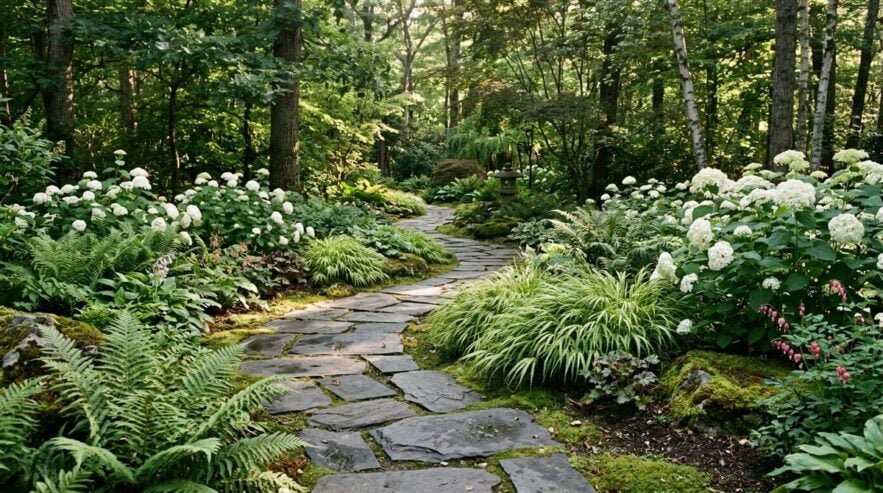
Exploring new destinations frequently provides an opportunity to observe unique environments and diverse plant life. Traveling to different regions allows individuals to witness how distinct climates support varied ecosystems and cultivation styles. Public parks, historical estates, and botanical conservatories offer endless visual inspiration for visitors who appreciate landscape design. Observing these green spaces often sparks ideas that can be adapted for personal projects upon returning home.
The transition from a casual observer to an inspired creator requires paying close attention to the structural elements of regional gardens. Visitors often note how local terrain, water features, and native plants are combined to create harmonious outdoor living areas. Taking note of these layout strategies helps travelers understand the foundational principles of effective spatial planning. These observations become valuable mental blueprints for future cultivation endeavors.
Exploring Native Flora In Diverse Climates
Different climates dictate the types of vegetation that can thrive without excessive intervention or resource consumption. Arid regions frequently showcase the beauty of succulent arrangements and drought-resistant ground covers that require minimal irrigation. Coastal destinations might highlight wind-tolerant shrubs and salt-hardy ornamental grasses that provide continuous movement and texture. Studying these native adaptations teaches valuable lessons about working in harmony with natural environmental constraints.
Gathering information about unfamiliar plant species is a common activity for travelers exploring botanical attractions. Readers may also want to visit rawreplaymedia.com. Understanding the historical context of regional flora enhances the appreciation of the landscapes encountered during the journey. This preparatory research ensures that visitors do not miss culturally significant botanical landmarks.
Analyzing Traditional Landscape Architecture
Historical gardens provide a glimpse into the design philosophies of past generations and different cultural traditions. Formal European estates often feature symmetrical layouts, meticulously pruned hedges, and structured pathways that guide the eye toward focal points. Conversely, Eastern garden designs frequently emphasize natural asymmetry, symbolic rock placements, and tranquil water basins. Recognizing these architectural differences expands the creative vocabulary of anyone interested in outdoor design.
Translating these grand concepts into manageable ideas requires a practical understanding of scale and proportion. You can also visit specialedoptions.com for more reading. Learning how historical designers manipulated perspective and space can inform decisions about defining boundaries in smaller residential areas. These timeless principles remain applicable to modern landscape projects regardless of their overall size.
Documenting Garden Layouts During Trips
Keeping a visual record of inspiring landscapes is an excellent way to preserve ideas for future reference. Sketching pathway curves, noting color combinations, and describing texture contrasts helps solidify memories of beautiful botanical arrangements. Some travelers prefer to create physical journals that combine quick drawings with pressed leaves or detailed written observations. This documentation serves as a personalized reference book when planning new cultivation projects.
Finding reliable methods for categorizing these travel observations ensures that the collected inspiration remains organized and accessible. For a related read on this site, see Refreshing an Outdated Living Room Without Major Renovation. Organizing notes by climate type or design style makes it easier to retrieve specific ideas when they are needed most. A well-maintained journal transforms fleeting vacation memories into actionable design strategies.

Adapting Regional Concepts For Personal Spaces
The true value of observing regional gardens lies in the ability to adapt those concepts to fit different environments. A traveler inspired by a vast desert landscape might incorporate a small rock garden with appropriate native species into their own yard. Someone who admired a sprawling formal estate might introduce a single symmetrical pathway or a structured focal point. The goal is not replication but interpretation based on local climate realities and spatial limitations.
Testing these adapted ideas usually involves starting with small sections of an outdoor area before committing to a full redesign. This cautious approach allows for adjustments as the chosen plants establish themselves in their new environment. Patience is necessary as newly implemented designs require time to mature and fill the available space. Careful observation during the initial growth phases ensures that the adapted regional concepts thrive successfully.
Cultivating Continuous Creative Growth
Traveling with an eye for botanical design fundamentally changes how individuals interact with their surroundings. Every new destination becomes a potential classroom offering unique lessons in spatial harmony and environmental adaptation. Incorporating ideas gathered from various regions results in deeply personal spaces that reflect a wide array of influences and experiences. Continuous exploration guarantees a steady influx of fresh concepts that will keep any cultivation project vibrant and evolving.