

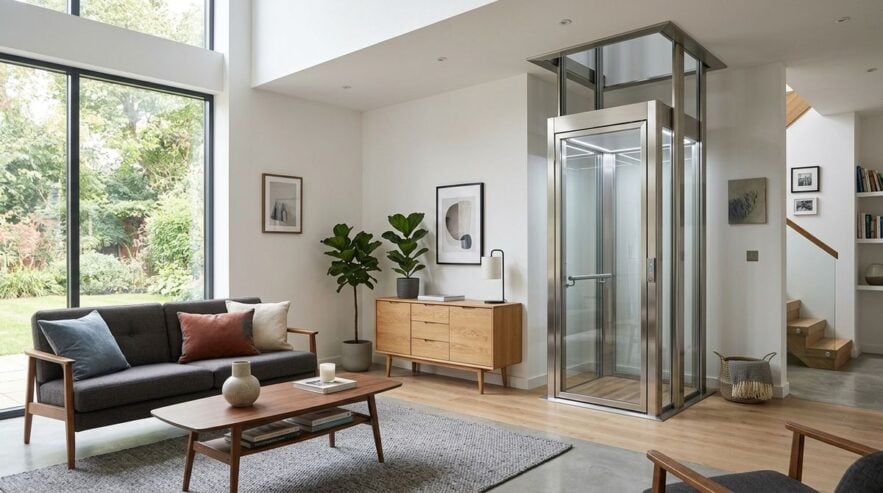
Our living spaces do more than just house our belongings; they shape our moods and affect our ability to recharge after a busy day. In a bustling city, finding a way to balance the chaotic pace of life with a serene home environment is essential for overall well-being. By considering how our surroundings interact with our senses—sight, sound, and touch—we can transform even the smallest apartment or house into a place that fosters relaxation and focus. This approach goes beyond basic interior design by prioritizing how a room feels and functions in everyday life.
Understanding the Concept of Sensory Zoning
Sensory zoning involves intentionally creating areas of your home that cater to different states of mind. Instead of focusing solely on the visual appearance of a room, think about what you need from that space at different times. A dedicated corner for reading, for example, should have soft lighting and comfortable seating, while a workspace needs bright, functional light and minimal clutter to encourage concentration. By defining these zones, you reduce the mental effort required to shift between work, rest, and social activities.
This does not require major construction or moving large furniture. Often, it is a matter of reevaluating how existing space is utilized. For instance, using a small rug or a different style of chair can effectively delineate a reading area within a larger living room. The goal is to provide visual and physical cues that signal to the brain what activity is expected in a given space. When you move to a “work zone,” your brain understands that it is time to focus, and when you move to a “rest zone,” it understands that it is time to relax.
Bringing Life Into Your Living Areas
Bringing elements of the outdoors inside is one of the most effective ways to make a space feel more grounded and less sterile. Plants offer more than just decoration; they introduce textures, patterns, and a sense of life that synthetic materials cannot replicate. When selecting greenery, consider how different shapes and shades of green can influence the mood of a room. Lush, broad-leaved plants can make a space feel more substantial and calming, while delicate, trailing varieties can add a sense of movement and lightness to bookshelves or side tables.
Caring for plants can also become a meditative ritual that helps transition from the workday to home life. The act of tending to a living thing encourages us to slow down and focus on the immediate moment. For those looking for guidance on integrating these natural elements effectively into their specific home setup, PlantWare provides valuable insights that help turn standard rooms into vibrant, living environments. Choosing plants that thrive in your home’s specific light conditions ensures they remain a source of joy rather than a source of maintenance stress.
The Role of Light and Texture in Atmosphere
The interplay of light and texture is what ultimately defines the atmosphere of a home. Harsh, overhead lighting can make a space feel cold and impersonal, whereas layered lighting, such as lamps with warm bulbs, creates an inviting glow that signals to the brain that it is time to wind down. By using multiple smaller light sources at different heights, you can soften the shadows and create a much more comfortable environment for evening relaxation. This technique is particularly effective in spaces used for winding down.
Similarly, incorporating varied textures—think soft rugs, woven throws, or smooth ceramic accents—adds depth and makes a room feel intentional. Texture appeals to our sense of touch and makes a space feel more lived-in and welcoming. If you are looking for design inspiration that prioritizes comfort and cohesive style, Groliehome offers a vast array of ideas to help you refine your living space. Consider how different materials, like natural wood, cotton, or wool, contribute to the overall feeling of the room, aiming for a mix that feels both balanced and inviting.
Managing Sound and Space for Calm
Finding the right balance between necessary quiet time and moments of social connection is crucial for a healthy household dynamic. It is often easy to fill every moment with digital distractions, which can actually heighten sensory overload and disrupt the peace of a home. Intentionally carving out time to just be, or to connect with family without the constant hum of electronics, is a powerful way to reset your nervous system. Creating these quiet pockets is essential for maintaining mental clarity.
For further ideas on this topic, consider reading our previous guide on planning screen-free activities at home, which offers practical suggestions for reclaiming your evening time. Beyond reducing digital noise, consider the physical layout of your home in relation to sound. Soft furnishings like curtains, cushions, and rugs are excellent at absorbing sound, which helps reduce echoes and creates a more intimate and quiet atmosphere. Thinking about how sound moves through your rooms can lead to simple changes that significantly increase the sense of tranquility in your living environment.

Cultivating Sustainable Habits for Your Home
A home that supports your well-being requires consistent, manageable care. This does not mean it must be perfectly cleaned at all times, but rather that it should be cared for in a way that respects your need for a calm environment. Simple habits prevent the buildup of visual and mental clutter, which can slowly increase daily stress levels. By making these small actions part of your daily routine, you ensure your home continues to function as a restorative space rather than an additional source of stress.
- Take five minutes each evening to clear one surface.
- Use soft, warm lighting in the hour before sleep.
- Add one plant to a room that feels disconnected from nature.
- Designate a specific spot for relaxation away from electronic screens.
- Group similar items to reduce visual clutter on shelves.
Focusing on one small area at a time can prevent the feeling of being overwhelmed. It is better to have one perfectly curated corner that brings you joy than to attempt a major overhaul of the entire house at once. The process of creating a balanced home is an ongoing journey, not a final destination. As your needs change, your home can adapt to reflect those shifts, continuing to serve as a supportive foundation for your daily life.
Ultimately, the goal is to create a home that feels like an extension of yourself—a place where you can truly rest, focus, and thrive. By paying attention to the details of light, texture, nature, and sound, you can create an environment that nourishes your well-being every single day. Taking the time to curate your surroundings is an investment in your own peace of mind, proving that even small adjustments can have a significant impact on your overall experience of home.