

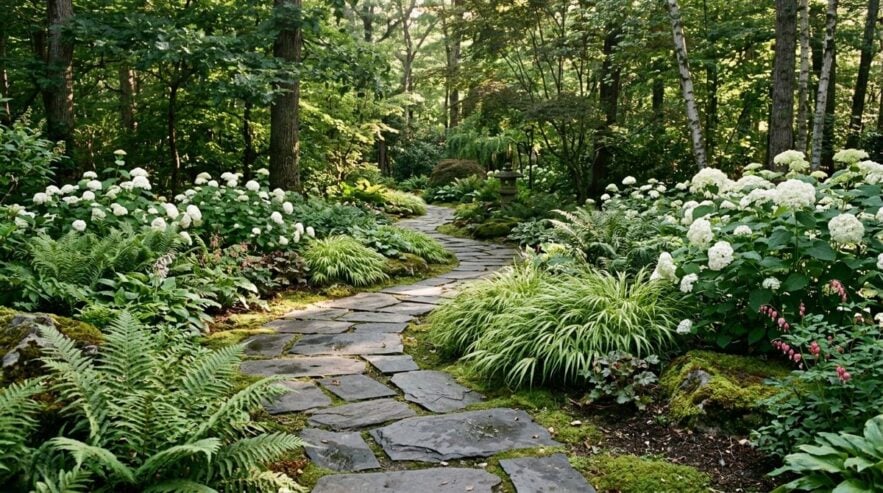
A vibrant, welcoming yard adds beauty, fresh air, and peaceful outdoor living space to any home, yet many homeowners assume maintaining lush gardens requires pricey landscaping contracts. Watching neighbors spend heavily on weekly lawn crews, truckloads of bagged mulch, and nursery flats can make gardening feel like an expensive luxury. Fortunately, healthy soil and thriving plants depend far more on smart timing, neighborhood resource sharing, and selective use of local services than on lavish spending.
Blending simple do it yourself care with targeted, budget friendly local services keeps outdoor spaces looking neat and flourishing throughout every season. Knowing where to source free organic materials, how to hire occasional heavy help wisely, and which perennial plants multiply naturally lets any homeowner cultivate a rich landscape on a modest budget.
Sourcing Free and Low Cost Organic Materials Locally
Healthy, fertile soil is the true foundation of every thriving garden, and improving soil structure does not require buying dozens of expensive plastic bags from garden centers. Municipal yard waste facilities, local tree trimming crews, and neighborhood stables frequently offer aged wood chips, leaf compost, and nutrient rich bedding either completely free or for a tiny loading fee. Arborists working in your neighborhood are often thrilled to dump a load of fresh wood chip mulch right in your driveway to save themselves a trip to the disposal site.
Spread three inches deep around flower beds, shrubs, and young trees, wood chips suppress weeds, lock in moisture during hot summer weeks, and slowly break down into dark, crumbly humus. Collecting fallen autumn leaves from your own yard and neighbors’ curbs provides another free source of leaf mold that enriches garden beds every spring. Starting a simple backyard compost bin in a corner behind the garage turns kitchen vegetable scraps, coffee grounds, and grass clippings into black gold all year long.
* Ask local tree service crews working nearby if they can drop clean wood chips in your driveway.
* Check city public works websites for seasonal free compost and mulch pickup days for residents.
* Save crushed eggshells, coffee grounds, and untreated grass clippings to feed backyard compost piles.
* Use plain brown cardboard without glossy ink as a free weed barrier underneath fresh mulch layers.
Building rich soil naturally reduces the need for commercial fertilizers and cuts summer watering needs dramatically. Readers may also want to visit profintechzoom.
Hiring Targeted Local Help Without Full Service Contracts
While weekly full service landscaping contracts quickly drain household budgets, hiring local help selectively for heavy seasonal tasks delivers huge value at modest cost. Paying an independent neighborhood handyman or student helper for two hours of heavy digging, spring cleanup, or hedge trimming saves your back while leaving easy daily upkeep in your own hands. Booking these one off jobs during late winter or mid summer lulls often secures better hourly rates than peak spring rush weeks.
Tool rental counters at local hardware stores and community tool libraries allow homeowners to tackle major projects without buying expensive machinery that sits idle eleven months a year. Renting a core aerator, rototiller, or pole saw for a single Saturday morning costs a fraction of ownership and eliminates ongoing storage and engine maintenance headaches. Splitting a weekend tool rental with a next door neighbor cuts the daily fee in half while getting both yards finished in one afternoon.
Clear communication before any hired helper arrives ensures every paid hour goes toward priority tasks. Walking the yard together, marking plants to keep with bright ribbon, and agreeing on the exact scope of work prevents misunderstandings and keeps costs predictable. You can also visit websearchde.com for more reading.
Multiplying Plants Through Division, Seeds, and Swaps
Filling large garden beds with nursery potted perennials quickly adds up at the checkout counter, yet plants naturally want to multiply if given simple encouragement. Dividing established clumps of hostas, daylilies, ornamental grasses, and coneflowers every three years yields dozens of healthy new plants completely free while rejuvenating the parent clumps. Digging up a mature perennial in early spring, slicing the root ball into three or four sections with a sharp spade, and replanting them across bare spots fills empty spaces rapidly.
Saving seeds from favorite heirloom tomatoes, marigolds, zinnias, and herbs at the end of summer gives you hundreds of adapted seeds ready for next spring. Drying seeds thoroughly on a paper towel and storing them in labeled paper envelopes inside a cool pantry keeps germination rates high without buying new seed packets every year. Neighborhood plant swaps hosted at local libraries, community gardens, or front yards let gardeners trade extra divisions and seedlings for new varieties at zero cost.

Taking softwood stem cuttings from coleus, hydrangeas, lavender, and rosemary in early summer and rooting them in simple jars of water or damp sand expands plant collections effortlessly. For a related read on this site, see Organizing a Small Swap Meet With Neighbors.
Water Smart Habits and Low Maintenance Plant Choices
Lowering outdoor water bills and reducing weekend weeding hours comes down to choosing tough, climate adapted plants and watering thoughtfully. Native perennials and drought tolerant shrubs evolved to handle local rainfall patterns and temperature swings without constant coddling or chemical sprays. Grouping plants with similar moisture needs together ensures thirsty vegetables get steady water while hardy ornamental beds thrive on occasional deep soakings.
Watering deeply early in the morning allows moisture to soak down into the root zone before midday sun evaporates it off the surface. Attaching a simple mechanical timer to an outdoor faucet prevents accidentally leaving a sprinkler running all afternoon, saving both water and money. Setting up a basic rain barrel beneath a garage downspout captures clean, unchlorinated rainwater for container plants and delicate seedlings during dry spells.
Raising mower blade height to three or four inches shades grass roots, crowds out crabgrass and dandelions naturally, and keeps lawns greener during hot spells without extra watering. Leaving fine grass clippings right on the lawn returns valuable nitrogen straight back to the soil while eliminating yard waste bags.
Maintaining Curb Appeal With Simple Weekly Rhythms
Keeping a garden looking intentional and well cared for does not require spending entire weekends pulling weeds or hauling supplies. Walking the yard for fifteen minutes every couple of evenings with a pair of hand pruners and a small bucket lets you snip dead blooms, pull tiny sprouting weeds before they set seed, and spot any thirsty pots immediately. Small, frequent touch ups prevent overgrown jungles that feel overwhelming to tackle later.
Creating clean, crisp edges along garden beds using a flat spade gives even a simple lawn and perennial border a polished, professionally maintained look. Refreshing top layers of free wood chips once a year keeps beds tidy, protects roots through winter freezes, and unifies diverse plants visually. With smart sourcing, neighborly sharing, and steady light upkeep, any yard can flourish beautifully on a shoestring budget.