

Cellphone network providers are reshaping the home internet market in 2026 through rapid advances in fixed wireless access (FWA). What began as a niche alternative to traditional broadband has become a mainstream connectivity option, driven by improvements in 5G performance, expanded network coverage, and rising demand for flexible, high-speed internet services.
As fiber deployment remains uneven and cable infrastructure faces capacity constraints in some regions, mobile network operators are stepping in to fill the gap—often with faster deployment timelines and more adaptable service models.
Fixed Wireless Access Moves Into the Mainstream
Fixed wireless access has evolved from a backup internet option into a primary broadband solution for millions of households. By leveraging 5G networks, cellphone network providers can deliver high-speed internet to homes without requiring physical cable or fiber lines.
In 2026, FWA performance has improved significantly due to wider availability of mid-band 5G spectrum, which balances speed and coverage. This allows providers to offer download speeds that are competitive with traditional broadband in many suburban and rural markets.
The appeal is straightforward: quick installation, fewer infrastructure barriers, and increasingly competitive pricing.
5G Expansion Enables Better Home Internet Performance
The expansion of 5G infrastructure is directly powering improvements in fixed wireless services. As providers densify their networks with additional towers and small cells, signal strength and consistency improve, resulting in better home internet performance.
Mid-band 5G, often referred to as the “capacity layer,” has become especially important. It enables higher throughput while maintaining broader coverage than high-band mmWave, making it ideal for residential use cases.
This balance of speed and reach is allowing providers to scale fixed wireless offerings beyond early adopter markets and into more competitive urban and suburban environments.
Competing With Traditional Broadband Providers
Cellphone network providers are now serious competitors to cable and fiber internet companies. In many regions, FWA is being marketed as a simpler, more flexible alternative to wired broadband.
This competition is driving innovation across the entire internet service landscape. Traditional providers are responding by upgrading infrastructure, improving customer service, and introducing more competitive pricing structures.
For consumers, the result is increased choice and improved service quality, particularly in areas where broadband options were previously limited or expensive.
Rapid Deployment as a Strategic Advantage
One of the biggest advantages cellphone network providers have in the home internet space is deployment speed. Unlike fiber installations, which can take months or years due to construction and permitting requirements, fixed wireless services can often be activated within days.
This agility allows providers to quickly enter new markets and respond to demand spikes. It also makes FWA an attractive solution for rapidly growing communities, temporary housing developments, and areas recovering from infrastructure disruptions.
In 2026, speed to market is becoming just as important as internet speed itself.
AI-Driven Network Optimization Improves Performance
Artificial intelligence is playing a growing role in optimizing fixed wireless and home internet services. Providers are using AI to monitor network congestion, predict demand patterns, and dynamically allocate resources to maintain consistent performance.
These systems help ensure that home internet users receive stable connectivity even during peak usage periods. AI also supports proactive maintenance by identifying potential network issues before they impact customers.
The result is a more reliable service experience that closely mirrors the consistency of wired broadband.
Addressing Rural Connectivity Gaps
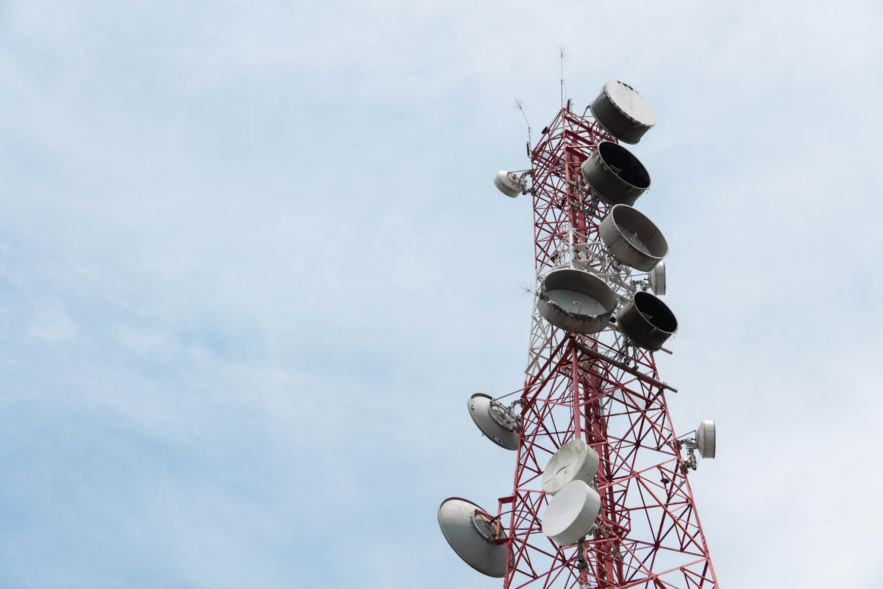
Fixed wireless access is particularly impactful in rural and underserved areas, where traditional broadband infrastructure is often limited or unavailable. Cellphone network providers are leveraging existing cellular towers to extend home internet coverage into these regions.
This approach significantly reduces the cost and complexity of rural broadband expansion. Instead of laying miles of fiber, providers can upgrade existing infrastructure to support FWA services.
For rural households, this means improved access to high-speed internet for education, healthcare, business, and entertainment.
Network Slicing and Quality of Service Improvements
Advances in 5G technology, including network slicing, are helping providers deliver more consistent home internet performance. Network slicing allows operators to allocate dedicated virtual resources for fixed wireless traffic, ensuring more predictable speeds and reduced congestion.

This is especially important in households with multiple connected devices, where bandwidth demand can fluctuate throughout the day. By prioritizing traffic intelligently, providers can maintain a more stable user experience.
Bundling Mobile and Home Internet Services
Another major trend in 2026 is the bundling of mobile and home internet services. Cellphone network providers are offering integrated packages that combine smartphones, data plans, and fixed wireless home internet under a single subscription.
This bundling strategy increases customer retention while simplifying billing and account management. It also strengthens the provider’s position in the household connectivity ecosystem, making it more difficult for customers to switch providers.
For consumers, bundled services often come with cost savings and added convenience.
Sustainability and Infrastructure Efficiency
Fixed wireless access is also contributing to more sustainable network expansion. Because it relies on existing cellular infrastructure, it reduces the need for extensive new physical builds such as fiber trenching.
Providers are further improving energy efficiency through AI-driven network management and the use of renewable energy sources at cell sites. These efforts help reduce operational costs while supporting broader environmental goals.
The Future of Home Internet Competition
The rise of fixed wireless access is fundamentally changing the home internet market. Cellphone network providers are no longer just mobile service operators—they are becoming full-scale broadband providers competing directly with traditional ISPs.
As 5G networks continue to improve and coverage expands, FWA is expected to become an even more significant part of the global broadband ecosystem.
Looking Ahead
Advances in fixed wireless and home internet services highlight a major shift in how connectivity is delivered in 2026. The combination of 5G expansion, AI-driven optimization, and flexible deployment models is enabling cellphone network providers to challenge long-established broadband norms.
The outcome is a more competitive, more accessible, and more dynamic internet market—one where consumers have greater choice and providers must continuously innovate to stay ahead.