

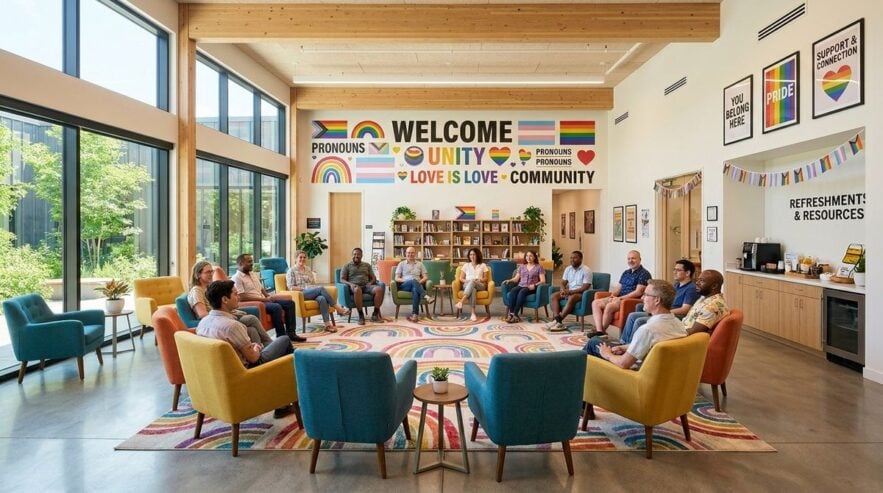
The modern urban landscape, while packed with potential for interaction, often leaves residents feeling somewhat disconnected from their immediate surroundings. While technology keeps us tethered to global networks, the local neighborhood remains an untapped reservoir for intellectual and personal growth. Creating a neighborhood learning circle offers a practical solution to this challenge, enabling neighbors to pool their curiosity and experience to explore new topics together. These informal groups foster a sense of belonging that is frequently missing in fast-paced city environments.
Defining Your Group’s Purpose
The success of any community endeavor begins with a clear, shared purpose. Before inviting others into your home or a local public space, take time to consider what the learning circle aims to achieve. Is the objective to master a particular skill, discuss specific literature, or perhaps explore historical developments in your local area? A well-defined focus helps attract like-minded participants who are genuinely interested in the subject matter, ensuring the group remains cohesive and productive over time.
Start by identifying a broad theme that holds appeal across a variety of interests. It is often beneficial to keep the scope accessible, especially during the early stages of development. As the group gains momentum, participants can suggest future topics, ensuring that the learning remains collaborative and responsive to the needs of those involved. Avoid overly narrow subjects that might limit the diversity of perspectives, as the true strength of a neighborhood circle lies in the varied viewpoints that participants bring to the conversation.
Selecting a Comfortable Meeting Space
Finding the right environment for your gatherings is essential for encouraging open and consistent participation. A comfortable, quiet space allows for focused attention and relaxed conversation, which are vital for effective learning. While many people choose to rotate meeting locations among participants’ homes, others prefer the neutral ground of local parks, community centers, or libraries. Regardless of the choice, prioritize a setting that is easily accessible to everyone in your immediate vicinity.
Creating a space that feels welcoming is as important as the physical location itself. When you are looking for new ways to expand your intellectual horizons and find inspiration, resources like Raku Raku School offer valuable frameworks for lifelong learning that can be adapted to almost any group setting. By cultivating an atmosphere that values curiosity and mutual respect, you ensure that the meeting space, whether a living room or a shared community area, becomes a sanctuary for thoughtful exploration and discovery.
Structuring Your First Gathering
The initial meeting sets the tone for the entire venture. It should balance informal social interaction with a clear structure to ensure that everyone feels their time is valued. Begin with brief introductions, allowing participants to share their motivations for joining and their interests regarding the chosen topic. This helps build rapport and establishes a foundation of trust that is crucial for any ongoing community project. It is helpful to set a regular schedule from the start, as predictability encourages attendance.
When you need a more disciplined or structured approach to your study time, similar to the organized environments you might explore on canisiuscampus.net, it helps to create a clear agenda before each meeting. Distribute materials or themes in advance so that participants can come prepared to contribute. Keeping the gathering focused on specific objectives prevents the conversation from drifting aimlessly, which can sometimes lead to decreased interest among members who were seeking a more substantive learning experience.
Fostering Meaningful Discussion
The core of a learning circle is the conversation itself. To encourage high-quality dialogue, it is important to facilitate a balanced exchange where all voices are heard. A moderator can help steer the discussion, ensuring that no single individual dominates the conversation and that quiet participants are invited to share their insights. Asking open-ended questions is a powerful technique for digging deeper into a subject, moving beyond surface-level observations to uncover more complex nuances.
As discussed in our previous article on fostering deeper neighborhood connections through shared expertise, bringing people together around a common passion creates lasting bonds that extend well beyond the meeting itself. When participants feel comfortable challenging ideas and sharing personal reflections, the group transcends being a mere study circle and becomes a vibrant community asset. To keep discussions productive, consider incorporating these simple practices:

- Provide a brief overview of the theme before starting the main discussion.
- Ensure everyone has a chance to speak without interruption.
- Summarize the key insights gathered toward the end of each meeting.
- Encourage members to suggest topics for upcoming sessions.
Maintaining Long-Term Group Engagement
Sustainability is the ultimate hurdle for any community initiative. Over time, enthusiasm can naturally ebb, particularly if the group feels stagnant. To maintain long-term engagement, prioritize variety and flexibility. Periodically changing the format of your meetings—perhaps by incorporating guest speakers, field trips, or collaborative projects—can reignite interest. It is also important to periodically evaluate the group’s direction, ensuring that the topics chosen remain relevant and exciting to the active members.
Building a supportive culture where members feel empowered to take ownership of the group is also vital. When participants are responsible for leading sessions or sourcing materials, they become more invested in the success of the learning circle. This shared responsibility prevents burnout for the organizer and enriches the collective experience. By staying adaptable and valuing the contributions of every member, your neighborhood circle can become a durable and meaningful part of local life, continuing to provide intellectual stimulation and companionship for a long duration.
Ultimately, the value of a learning circle is defined by the depth of the relationships and the quality of the intellectual exchanges it nurtures. By bringing a sense of purpose and structure to these informal gatherings, you transform simple neighborhood interactions into opportunities for genuine growth. As you continue to facilitate these conversations, remember that the goal is not just the acquisition of knowledge, but the strengthening of the social fabric that connects us all within the vibrant, sprawling city we call home.