

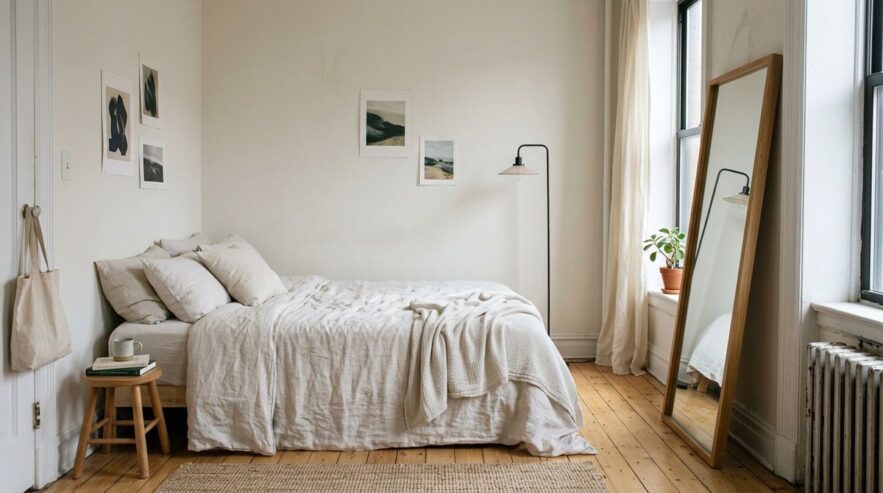
Homework can be difficult in a small apartment, especially when a dog is part of the household. The living room may be the only quiet place, the dog may want attention at the wrong moment, and the noise of daily life can make concentration hard. A consistent homework routine, combined with a plan for the dog’s needs, can turn the evening into a calmer and more productive time for children. This article explains how to design that routine, choose a suitable workspace and balance study with the dog’s exercise and rest.
Choose a workspace that works for everyone
The ideal study space is quiet, well lit and free from distractions. In a small apartment, that may not be a separate room, so think about the corner of a table, a window ledge or a shelf that can be cleared each evening. Make sure the chair is comfortable and the surface is large enough for books and writing. Keep a basket for supplies near the desk, so that pencils, paper and calculators can be found quickly without moving around the room.
Consider where the dog will spend time during study. Some dogs settle best on a bed in a corner away from the desk, while others need to be in another room for a short period. Place the bed in a spot where the dog can see the family but is not directly in the path of foot traffic. Readers may also want to visit mbceconomy.com.
Build a fixed evening rhythm
Children do best when homework follows a predictable pattern. Choose a time that fits the family’s schedule, perhaps just after a snack and before dinner, and keep it steady from week to week. Begin with a short planning step, where the child checks what is due and decides the order of tasks. This step gives a sense of control and reduces the anxiety that can come from a long, unclear list.
Build short breaks into the routine. A few minutes of movement or a short walk with the dog can refresh a child’s attention and help them return to the work with more focus. Keep the breaks brief and clearly timed, so they do not turn into longer distractions. Many families find that a small timer on the table helps children know when to return to their books.
Plan the dog’s needs around study time
- Walk the dog before homework begins so it is calmer and more likely to rest.
- Provide a chew toy or puzzle that keeps the dog occupied during quiet study periods.
- Keep food bowls and water in a place that does not interrupt the work.
- Agree on a signal that tells the dog it is time to settle, such as a specific mat.
- Reward calm behaviour with praise or a treat that is counted in the daily food.
A dog can be an excellent part of a study routine when its needs are met. A tired dog is usually quieter, so a short, reliable walk before homework can make a real difference. Puzzle toys and chews give the dog something to focus on, and they reduce the chance of barking or pawing at the desk. Dogs learn routines quickly, so the same signals each evening help them understand what is expected.

Help children stay focused and calm
Concentration often improves when the environment is orderly. Ask children to clear the desk at the end of each session and to leave one clear task for the next day. Encourage them to talk through difficult problems out loud, which can help them organise their thinking. If a child becomes frustrated, suggest a short pause, a sip of water or a change of task before returning to the difficult question.
Some families also find it helpful to plan homework around the dog’s sleep patterns, since a rested dog is usually calmer during study. You can also visit credit-cafe for more reading. For a related read on this site, see Helping Teenagers Stay Organised Between Two Homes Across. Reviewing the schedule with the children each month helps everyone feel involved, and it allows changes to be made calmly when school work becomes heavier. Small adjustments, such as moving a dog bed a short distance, can make a noticeable difference.
Parents and carers can support the routine by being present without taking over. Sit nearby, check progress and praise effort, but avoid doing the work for the child. If homework becomes a regular source of conflict, speak with the child’s teacher about the workload, or ask a qualified educational professional for advice. A calm home, a steady rhythm and a dog that knows its place can make evening study a shared and manageable part of family life in a small apartment.