

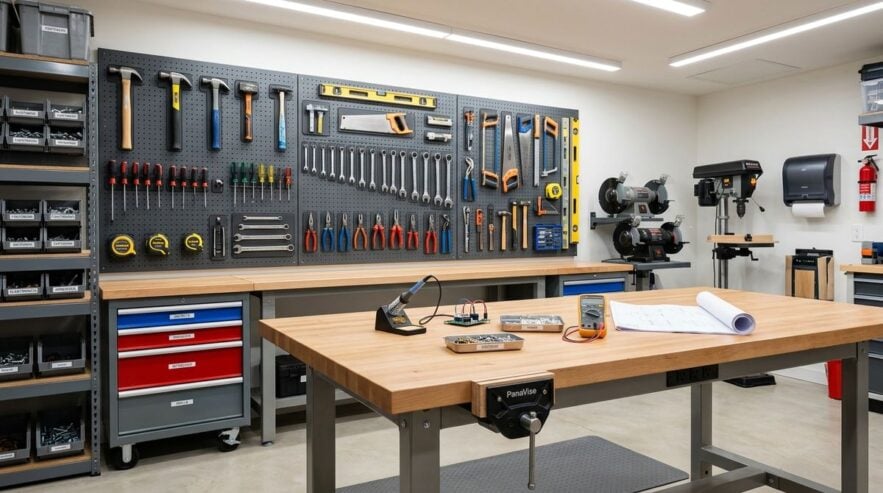
Los Angeles has long been a vibrant hub for creativity, where artisans, craftspeople, and makers cultivate unique products in diverse workshops across the city. From pottery studios nestled in neighborhood pockets to woodworking shops that have served communities for generations, these spaces are the heart of the local creative economy. However, as the demands of managing a workshop grow, many creators find that traditional methods of tracking inventory, scheduling classes, and communicating with customers can become overwhelming. Finding a balance that preserves the hands-on nature of the craft while embracing efficiency is essential for the longevity of these local businesses.
The Evolving Landscape of Local Workshops
The traditional artisan model relies on deep expertise and personal connection. Whether a shop focuses on custom furniture, handmade textiles, or specialized electronics, the core value is always the quality of the work and the relationship with the client. Yet, even the most traditional workshop benefits from an organized approach to daily operations. The challenge lies in introducing systems that support the work without distracting from the artistic process itself. When a workshop operates smoothly, the artist can focus on their creation rather than administrative burdens.
Many creators in the city are now realizing that maintaining a successful space requires more than just high-quality tools; it requires an organized structure that anticipates needs and manages time effectively. This transition does not mean moving away from tradition, but rather supporting it with structures that allow the business to flourish alongside the art. By refining how the workshop is organized, makers can create more space—both physical and mental—for their projects.
Assessing Your Workshop’s Digital Needs
Before introducing new systems, it is beneficial to look at the current state of workshop operations. This involves identifying areas where time is lost or information is difficult to track. For instance, if scheduling workshops or managing material orders frequently causes stress, these are prime areas to explore technological improvements. For those looking to refine their setup, reading tips on optimizing your professional area provides a strong baseline for improving daily efficiency.
Once you have identified the primary bottlenecks, you can begin to consider what kind of tools might help. It is often helpful to keep an eye on broader trends, as these can influence the types of resources available to independent creators. Staying updated on industry trends can be useful. Exploring statlab-dev.com offers insight into how broader tech shifts impact local industries and the types of tools becoming available to small businesses.
The goal is to find tools that are intuitive and do not require extensive training to implement. Technology in a workshop should feel like an extension of the craft, not a hindrance. Whether you are using a simple digital calendar to manage appointment bookings or a more robust system for tracking material usage, the most effective tools are those that you actually enjoy using on a daily basis.
Selecting the Right Technological Foundations
When selecting technology for your workshop, the most important factor is scalability and reliability. You want systems that can grow with your business and that won’t fail when you need them most. Start by evaluating the core hardware you use, such as computers or tablets, and ensure they are adequate for the software you intend to run. A stable foundation ensures that you are not spending time troubleshooting tech issues instead of crafting your products.
Consider the connectivity needs of your workshop as well. If you have multiple people working in the same space, having a system that allows for shared access to schedules and inventory can be transformative. The right digital foundation allows you to spend less time on repetitive tasks and more time on the work that defines your brand. Remember, the goal of introducing these foundations is to simplify, not complicate, your daily routine.
It is also wise to consider the long-term maintenance of the tools you choose. Some systems require frequent updates or specialized knowledge, while others are designed to be set up once and run with minimal intervention. For independent makers with limited time, opting for simpler solutions that provide essential functionality is often the best strategy. You don’t need a complex suite of enterprise-grade software to see real improvements in your daily workflow.
Implementing Software Solutions for Better Management
After deciding on the foundations, the next step is to choose software that aligns with the specific needs of your workshop. This might mean finding a solution for managing class enrollments, tracking custom orders, or keeping a digital record of suppliers and material costs. If your workshop requires custom functionality to manage complex scheduling or inventory, services like primrose-soft.com can assist in developing the necessary software to address these specific needs.
The implementation process should be gradual. Start by moving one aspect of your business, such as customer communications or inventory logging, into your new digital system. Once that is running smoothly, you can move on to other areas. This approach reduces the risk of overwhelming yourself or your staff and allows you to learn the nuances of each tool before moving to the next one.
Training yourself and your team on these new tools is crucial. Dedicate time to learning how to use the software effectively and setting up automated processes where possible. For instance, you could set up automatic reminders for class participants or automated low-inventory alerts. This proactive approach saves time and helps ensure that nothing important slips through the cracks during busy periods in the workshop.
Fostering Community Through Digital Connection
While digital tools are excellent for backend management, they can also serve as powerful bridges to your community. Sharing your process through digital channels, updating your community on new workshop offerings, or allowing for easy digital booking are all ways to strengthen the bond with your customers. The key is to use technology to enhance the personal connection, not replace it.
To successfully bridge the gap between traditional craft and digital tools, consider these steps for your workshop:
- Audit your current administrative processes to find repeated tasks.
- Select one software tool to simplify a single, high-friction area.
- Set up a consistent time each week to review your digital logs and schedules.
- Gather feedback from workshop participants on their experience with your booking or communication methods.
- Continuously look for ways to streamline and simplify your digital processes.
By taking these steps, you can create a workshop environment that is both creatively fulfilling and operationally sound. The integration of modern tools does not diminish the value of your craft; rather, it provides the structure needed to protect and sustain your work for the long term. Embracing this balance allows you to dedicate more of your energy to the art and community that make Los Angeles such a unique place for creators.
As you move forward with these changes, stay patient with the process. Adapting to new methods of managing a workshop takes time and adjustment. However, the benefits of having a more organized, efficient space are well worth the initial effort. Your workshop will become a place where your skills can truly shine, supported by a system that keeps your daily operations running smoothly, allowing your creativity to remain the main focus of your efforts.