

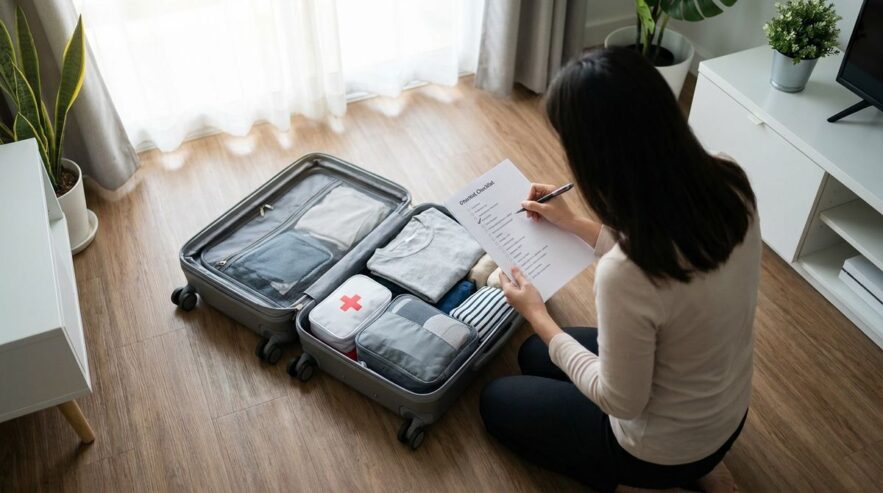
Short volunteer trips can be deeply rewarding, but they often involve long journeys, unfamiliar climates, and limited access to shops once you arrive. A well-chosen kit helps you stay comfortable and useful without carrying far too much. The aim is to pack light enough to move easily, while bringing the items that matter for the work and for your health. This article describes how to plan your packing around the placement, what to include for weather and safety, and how to check the rules of the destination before you leave home.
Start with the placement, not the suitcase
Find out what the work involves before you buy anything. Physical tasks such as building, gardening, or clearing land need sturdy boots and gloves. Teaching or office work may call for smart, comfortable clothes and a notebook. Ask the organisation what they recommend, and whether any equipment will be provided on site. Packing around the real tasks prevents you from bringing things you will never use, and it also helps you spot what you will need to buy locally.
Pack for weather and local customs
Check the typical weather for the time of year you will be there, and pack layers rather than a few heavy single items. Light, breathable clothing and a waterproof layer suit many places. Respect local customs about dress, particularly at religious or community sites, and bring something that covers the shoulders or knees if it is expected. A lightweight scarf can be surprisingly versatile, serving as sun cover, a wrap for cool evenings, or a modest covering when needed.
Readers may also want to visit worldaroundu.com. Reading them early gives you time to find the right items at reasonable cost rather than in a rush at the airport.
Think about how you will carry everything. A backpack with padded straps is often more comfortable than a heavy shoulder bag, and it leaves your hands free for steps and stiles. Choose a bag that closes securely, and keep valuable items in an inside pocket rather than an outside one. If you are travelling with a partner or a friend, agree who will carry the shared items, and spread the weight so that nobody is overloaded. Keep a small folding tote in your main case for purchases or extra items. A comfortable, well-organised bag makes the first and last days of a placement much easier, especially when you are moving between buses, trains, and walking routes.
Health, safety and documents
Keep important documents together in a waterproof pouch. These include identification, travel insurance details, and any letter from the organisation confirming your placement. Carry a basic first aid kit with plasters, pain relief, and any personal medicines in their original packaging, along with a copy of the prescription. Speak to a doctor or travel clinic well before departure about vaccinations and health advice, because requirements vary from place to place. This article gives general guidance only and is not medical advice.
Keep the kit light and organised
Use a small day bag for daily items such as water, sunscreen, a torch, and a charger for your phone. Use packing cubes or zip bags to keep clothes and toiletries separate, which makes it easier to find things in a crowded room. Leave some space for small supplies that the project may need, but ask before bringing any large items. Weighing your bag before you leave home can help you avoid excess baggage charges and strain on your back.
You can also visit pure-kanagawa.com for more reading.

Use this list before you close the bag:
- Check the placement’s list of required items.
- Pack layers suited to the local weather.
- Keep documents and medicines together in a waterproof pouch.
- Carry a basic first aid kit and a spare charger.
- Weigh your bag before you leave home.
Respect the place you are visiting
Learn a few polite phrases in the local language, ask before taking photographs of people, and listen more than you speak. Do not bring gifts that the community has not requested, and do not assume that your methods are better than local knowledge. Good volunteering starts with humility. For a related read on this site, see Warming Up Your Legs and Lungs Before a.
A good kit is practical, light, and matched to the work. Plan around the placement, pack for the weather, protect your documents and health, and treat the community with respect. A thoughtful bag makes a short trip smoother for you and more useful for the people who host you.