

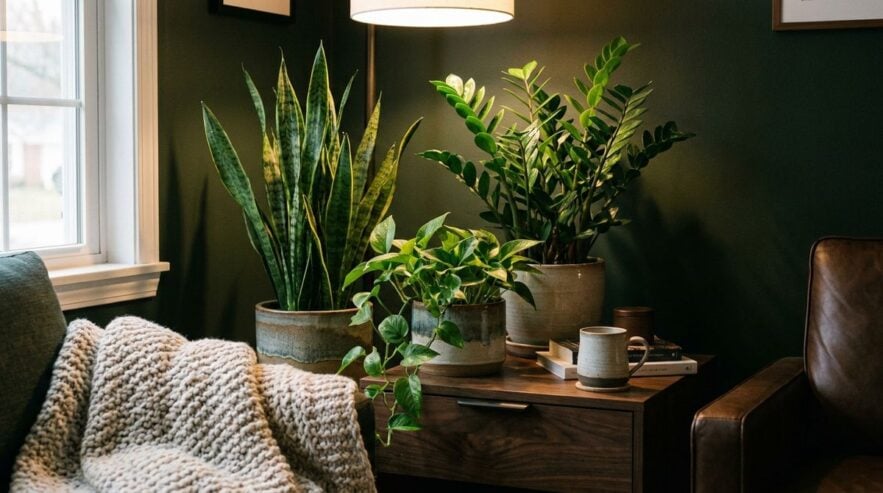
A small hobby shop had a sunny front window, an empty corner by the counter and a regular crowd of players who wanted something fresh to take home. The owner moved a few pots of basil and mint near the entrance, and the herbs began to draw people in before they reached the game shelves. The pairing made sense because both items invite slow browsing and easy conversation.
This article describes a general way for a shop owner to test a plant display alongside a tabletop games section. It covers placement, plant care and layout. The ideas are practical notes for a small retail space, not a promise of higher sales.
Choosing Herbs That Suit a Shop Window
Pick herbs that tolerate indoor light and frequent handling. Basil, mint, parsley and chives are common choices for a window display because they respond well to a bright spot and a steady routine. Readers may also want to visit fashionlifeslylenews.com. Avoid plants that drop leaves easily, since fallen debris can look messy near a table of game boxes.
Start with a small set of pots so the display does not crowd the entrance. Label each herb in clear print, and include a short note about the plant’s typical use. Plain labels help customers recognize the plants without asking, and they keep the display from feeling like a garden center.
Placing Pots Near the Game Shelves
Position the herbs where they get strong daylight but do not block the path to the games. A low shelf or a sturdy stand works well for a cluster of pots. You can also visit celebritycurry.com for more reading. A clear route helps both shoppers and staff move around comfortably.
Keep the plants away from the table where players spread out cards and boards. Spilled water can warp cardboard and ruin paper components, so use trays under every pot. Check the trays each morning and wipe up any drips before the first customers arrive.
Keeping Plants Healthy Indoors
Indoor herbs need steady care. Water when the top layer of soil feels dry, and avoid leaving pots in a draft from a door that opens often. Rotate the containers once a week so every side gets light. For a related read on this site, see Short Quizzes That Track Onboarding Progress at a.
Trim herbs regularly to keep them compact. Snipped stems can be offered to customers in small bags, but check local food handling rules before offering any sample. Remove yellowing leaves promptly so the display always looks bright and tidy.
Setting Up a Simple Sales Table
A small table near the register can hold a few potted herbs and a sign explaining how to care for them. Keep the table simple, with clear room for a card reader and a notepad. Staff should know how to answer basic questions about the plants, since shoppers often ask about light and water.
Rotate the stock as herbs grow and fill out. A balanced table invites browsing without overwhelming the space. If a plant begins to decline, move it to a back area and replace it before it affects the look of the shop.

Watering Schedules for a Window Display
Herbs in a shop window often dry out faster than plants in a garden bed, because the glass can heat up quickly on sunny afternoons. Check the soil each morning and again before closing time. A small moisture meter or a simple finger test can guide the decision. Water only when the top layer feels dry, and empty the tray after each watering.
Staff should know the routine well enough to cover for each other. A written schedule taped inside the back office keeps care consistent. Note which pots were watered, which were trimmed and which showed yellowing, so problems are noticed early and not after several days of neglect.
Rotate the pots every week so each side of the display gets light. Keep a spare set of pots in a back room so a tired plant can be swapped out without leaving a gap on the shelf. A steady routine keeps the window fresh and welcoming for shoppers.
A Shop That Feels Like an Invitation
Pairing herbs with games works because both offer a calm reason to linger. Customers who come in for a plant may leave with a board game, and players who arrive for a new release may notice the fresh pots by the door. The shop gains a warmer look without a large change in size.
The most successful pairing is the one that suits the space and the people who visit. With careful placement, steady care and a tidy table, a hobby shop can turn a quiet corner into a welcoming part of the store.