

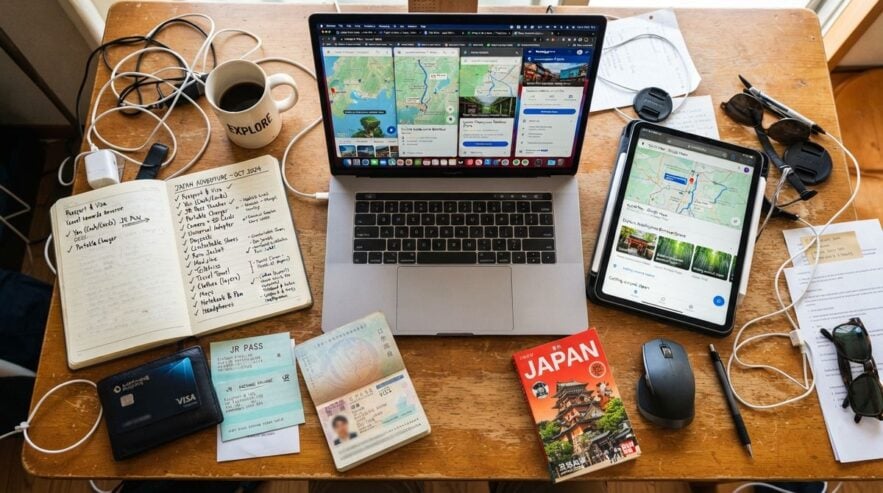
A first trip without parents is a big step for a teenager and an emotional moment for the adults who usually handle the details. It might be a school exchange, a weekend with a friend’s family, a short city break with a group, or a visit to a relative in another town. Whatever the destination, the trip works best when planning is a shared job rather than a list of instructions handed down from one side of the family to the other. Good planning gives the teen real responsibility while giving parents confidence that the important pieces are covered.
Agree on the trip together before booking anything
Start with a conversation about the purpose of the trip, the length, the people who will be involved, and the level of independence that feels right. A teen who wants to explore a new city on their own may need a different plan from one who is joining a group with a supervising adult. Ask your teen to describe what they imagine the trip will look like, from the first morning to the final evening. Their answers often reveal gaps that neither side had noticed, such as who will meet them at the station or what they will do if the plan changes at short notice.
Be clear about the non-negotiables before negotiating the details. Most families have a few points they will not compromise on, such as checking in at a fixed time each day or having a named adult to call in an emergency. Stating those points early keeps the conversation focused and reduces the chance of arguments later. Readers may also want to visit The Kitchen Store Online.com.
Build a shared document everyone can see
Many families find it helpful to create one simple document that holds the trip details. It can include travel times, the address of the place where the teen will stay, contact numbers for the host and for a trusted adult at home, and a short list of what to do if something goes wrong. Keeping everything in one place means that nobody needs to search through messages to find a reservation number. Both parents and teens should have a copy, and a printed version is useful in case a phone battery runs out.
You can also visit nghomedecor.com for more reading. Adapting a template together can feel more like a project than an inspection, which often makes the teen more willing to take part.
A simple checklist can help the shared document stay complete:
- Confirm travel times and the route for each leg
- Record the address and contact details of the place to stay
- Name one adult at home who will answer calls at any hour
- Note the teen’s phone number and any medical or dietary needs
- Agree on a daily check-in time and what happens if it is missed
Plan the money and the independence limits
Money is an area where teens need clear guidance. Decide together how much spending money will be available, which costs are covered in advance, and how the teen should keep receipts. Some families give a fixed amount for food and transport and ask for a short summary at the end of each day. Others prefer to pay for specific costs directly. Neither approach is right for every family, but both work better when the rules are written down.

Independence also needs boundaries. Agree on where the teen may go alone, when they must be with someone else, and what time they should be back each evening. Explain the reasons behind each boundary, such as transport schedules or unfamiliar areas, so that the rules feel sensible rather than arbitrary. A teen who understands the logic is more likely to follow it when the trip becomes exciting.
Prepare for the unexpected together
Even a well-planned trip can produce surprises. A train may be delayed, a phone may be lost, or a plan may change because a friend is unwell. Talk through a few likely scenarios and decide on a response for each. For example, what should the teen do if the host does not answer the door, or if a meeting point is closed? Writing down the answers ahead of time means that the teen will not need to invent a solution under pressure.
For a related read on this site, see Keeping Work and Holiday Time Separate When Your. These guides can help adults feel informed without becoming overprotective, which is a balance many families find difficult at first.
A first trip without parents is a chance for growth on both sides. The teen learns to manage time, money, and decisions, while the parents learn to trust a young person with responsibility. A shared checklist, clear boundaries, and open communication make that growth much more likely, and they give everyone a calmer start to the journey.