

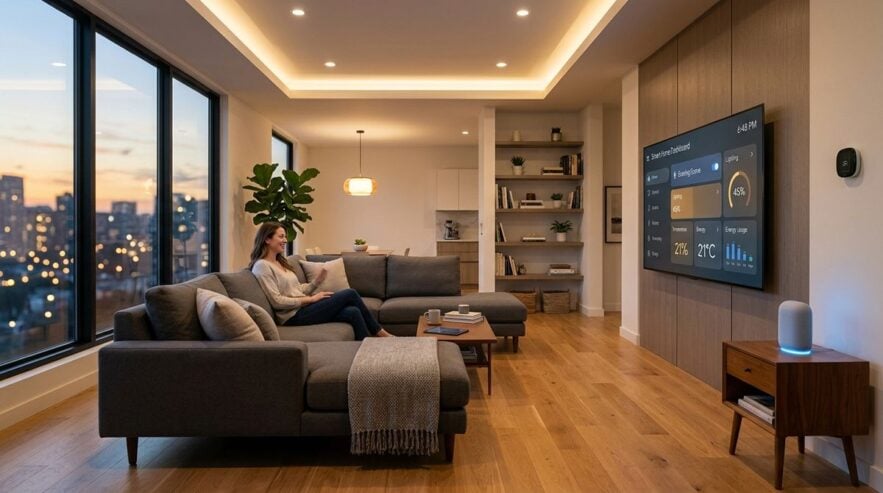
Sharing a household across multiple generations is becoming an everyday reality for many families across Southern California. When grandparents, adult children, and grandchildren live under the same roof, the home must adapt to welcome diverse physical abilities and daily habits. Balancing active routines with quiet personal downtime requires thoughtful adjustments to how each room is arranged and maintained.
Renovating or reorganizing a home for extended family does not require an immediate, whole-house overhaul. Focusing on sensible modifications allows everyone to move around with confidence, maintain their personal dignity, and enjoy daily life together. By tackling key spaces step by step, you can transform your property into an intuitive, safe, and comfortable environment for every relative.
Evaluating Clear Pathways and Everyday Traffic Flow
The first practical step in updating a shared household begins with floor space. High-traffic corridors between bedrooms, living areas, and kitchens need ample clearance so that family members of all mobility levels can walk without navigating an obstacle course. Bulky accent tables, floor plants, and trailing cords can quickly turn a casual walk into an unnecessary hazard.
Pay close attention to changes in flooring materials. Uneven transitions between hardwood living areas and tiled kitchens are common spots for stumbles. Securing transition strips, replacing thick area rugs with low-profile alternatives, and adding non-skid underlays make a noticeable difference in daily stability throughout the home.
Doors and entryways also merit a careful look. Standard interior doors sometimes restrict easy passage, especially if someone uses a cane or walker. Swapping traditional hinges for expandable offset hinges can provide extra clearance without the expense of reframing the doorway.
Upgrading Lighting and Task Areas for Greater Comfort
Clear visibility is essential when multiple generations share a living space. Natural daylight should be maximized by pulling back heavy drapery and cleaning windows regularly, but artificial lighting must bridge the gap during early mornings and dim evenings. Overhead fixtures alone often cast harsh shadows that make reading, cooking, or managing medications difficult.
Layered illumination provides a practical solution. Incorporating focused task lamps alongside ambient fixtures ensures that specific work surfaces remain bright and easy to navigate. In hallways, staircases, and bathrooms, motion-activated nightlights eliminate the fumbling that happens during midnight visits, making late-night movements safer for everyone.
When selecting fixtures, hardware, and safety accessories, consulting experienced home improvement tutorials can help you choose reliable equipment that matches your skill level. Browsing through practical project guides on DIY Television gives homeowners a clear look at proper tool selection, basic wiring precautions, and step-by-step installation practices before starting any electrical upgrade.
Rocker-style light switches are another simple upgrade worth considering. Unlike small toggle switches that require pinch strength, broad rocker panels can be operated easily with a light touch, an elbow, or a closed palm, offering convenience to young children and older adults alike.
Adapting Bathrooms and Kitchens for Safe Independence
Bathrooms and kitchens see frequent use and involve moisture, smooth surfaces, and repetitive reaching. Making these rooms accessible encourages independence while reducing the physical strain on caregivers and older family members. The goal is to make daily routines straightforward without making the rooms feel clinical or stark.
In the kitchen, repositioning pantry goods, dishes, and cookware to waist-to-shoulder height reduces the need to climb on step stools or bend down low. Replacing round cabinet knobs with D-shaped pull handles allows anyone with limited grip strength to open drawers smoothly.
For bathrooms, minor structural reinforcements and fixture swaps provide immediate peace of mind. Key adjustments include:
- Mounting sturdy grab bars into wall studs beside the toilet and inside the shower stall.
- Installing a handheld showerhead with an adjustable hose for seated or standing washing.
- Applying textured non-slip adhesive treads to shower floors and bathtub basins.
- Replacing twisting faucet knobs with single-lever mixer handles for effortless water control.
Taking the time to install these fixtures correctly ensures they withstand daily weight and moisture. Proper anchoring into structural blocking is essential, as towel bars and basic drywall anchors cannot support the sudden pressure of an unexpected slip.
Balancing Privacy and Shared Gathering Spots
Living harmoniously under one roof requires a healthy balance between togetherness and solitude. Shared spaces like the family room and dining area encourage bonding, but everyone needs a quiet retreat where they can rest, read, or enjoy personal hobbies without interruption. Creating dedicated zones prevents feeling crowded in a bustling house.
Sound management plays an enormous role in maintaining domestic calm. Adding solid-core doors, thick curtains, and upholstered furniture helps absorb echoes and dampens the noise from television sets or conversational chatter. When family members have different sleeping schedules, noise reduction becomes even more vital for restorative sleep.

Similar dynamics surface whenever different personalities merge under a single roof, just as we explored when discussing designing a peaceful first home for partners learning to share space. Communicating openly about personal boundaries, quiet hours, and personal storage zones helps keep household tension low.
Maintaining a clean and well-ordered environment also supports emotional well-being. Finding steady inspiration and practical ideas through casaindecor.com can guide your efforts to keep shared family quarters inviting, organized, and suited to the daily comfort of everyone in the residence.
Establishing a Steady Routine for Home Maintenance
Even the most thoughtful home modifications require continuous upkeep to stay safe and functional. Wear and tear accumulates quickly in a busy home, meaning hardware, walking surfaces, and lighting fixtures need regular inspection. Catching loose screws or malfunctioning sensors early prevents minor oversights from becoming hazardous problems.
Set a seasonal schedule to walk through each room with a critical eye. Test grab bars for any wiggle, ensure path lighting remains bright, and verify that non-slip mats still grip the floor securely. Clean faucet aerators and check plumbing fixtures for minor leaks that could leave slick spots on tile floors.
Involve the entire household in reporting any issues they encounter. When every relative feels comfortable pointing out a sticky door lock or a wobbly handrail, repairs happen promptly. Working together to preserve a safe living environment ensures that your shared home remains a source of security and connection for years to come.
Adapting an existing home for multi-generational living is an ongoing journey of care and practical problem-solving. By prioritizing open floor paths, functional lighting, accessible hardware, and quiet retreats, you create a residence where every generation feels supported and respected.
Taking on these updates one room at a time keeps projects manageable and allows your family to adjust naturally to the space. With patience, clear communication, and consistent maintenance, your home can comfortably support the changing needs of every loved one under your roof.