

Rural roads can be quiet, beautiful and far from the nearest repair shop, which makes a little preparation worth the effort. Many drivers assume the spare tire is ready to use, only to discover a flat, a missing jack or a wheel lock key that is nowhere to be found. This guide walks through a simple check you can complete in a driveway, in less than an hour, before any long drive. The steps are general information for ordinary cars, so the owner’s manual always has the final word on your model.
Start with the paperwork, because a good plan begins with knowing what the car carries. Set aside one evening to do the checks, and keep a note of anything that needs a professional look.
Finding the Spare and Its Tools
Open the trunk floor or the space under the rear seat, where many cars keep their spare wheel and tools. Look for the jack, the lug wrench, the wheel lock key and any small adapter needed to lift the car safely. Lay everything out on a clean cloth so you can see what is present and what is missing. Some newer vehicles use a sealant kit or a temporary mobility system rather than a full spare, and the manual will explain how each one works. Readers may also want to visit drfoxvet.net.
Checking Pressure and Condition
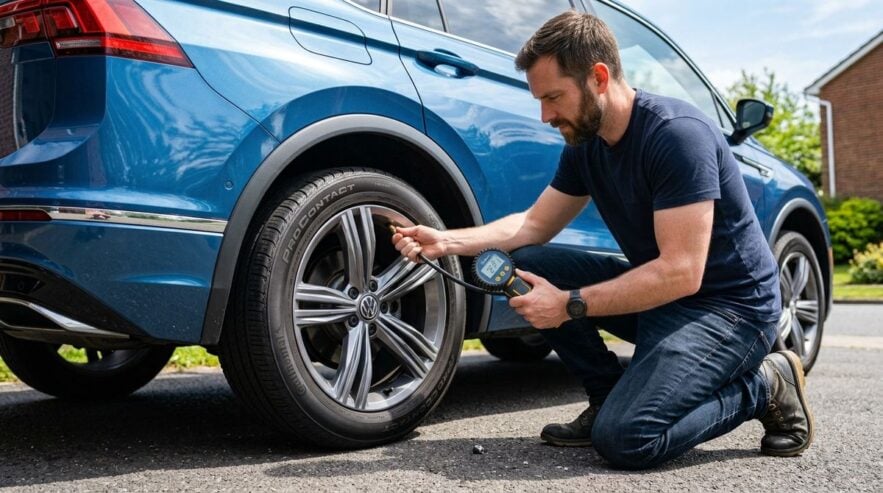
Inflate the spare to the pressure printed on the sidewall or the door-frame sticker, and check the gauge with a reliable tire gauge. Look for cracks in the rubber, bulges on the sidewall and any embedded nails or stones on the tread. A spare that has sat for years can lose air slowly, so inspect it again after a few days. You can also visit Pettagspro.org for more reading. Replace any spare that fails these checks before the trip rather than hoping it will hold.
Write the date of the check on the spare’s sticker or in your notebook, so you know when the next check is due. A spare that was fine in spring may need attention again after a long winter or a stretch of hot weather.
Practicing the Jack and Wheel Removal
A roadside change is far easier when you have practiced it at home on flat, firm ground. Park on a level surface, engage the parking brake and place wheel chocks against the tires that stay on the ground. For a related read on this site, see Parking Stall Assignments in a Condo Garage. Loosen the lug nuts slightly before lifting, and tighten them in a star pattern once the new wheel is on. Lower the car fully before you tighten the nuts for the final time.
Packing the Small Extras
Rural drives often involve long gaps between towns, so a few extras can prevent a minor problem from becoming a big one. Pack a flashlight with fresh batteries, a pair of gloves, a reflective triangle and a portable air compressor if the vehicle does not already have one. Tire shops often explain the inflation details printed in a driver’s door frame, which many owners find easier than the manual. Bring a bottle of water, a phone charger that plugs into the car and a paper map of the area, since signal can drop without warning. Check that all of these items are stored where they will not roll around during a sudden stop.
Test the flashlight and the air compressor once a season so you know they work before a long drive. Replace batteries that show signs of leaking, and keep the spare batteries in a sealed bag. Store the reflective triangle where it can be reached from the driver’s seat without moving luggage.

Some owners keep a laminated card with the jacking points taped inside the trunk lid. A card like that costs little and saves a great deal of guesswork at the roadside. Check the card when you check the tires, so it stays accurate after any change of wheels.
Keeping the Kit Ready Between Trips
A short inspection before a rural drive can turn a stressful afternoon into an ordinary one. Look over the tires, the jack and the tools once more, then pack the car and set off with a clear head. If a check reveals a problem you cannot fix, book a visit with a trusted mechanic before you leave.
Keep the tire pressure gauge in the glovebox with the card, so both are ready together. A short walk around the car before each departure takes only a minute.