

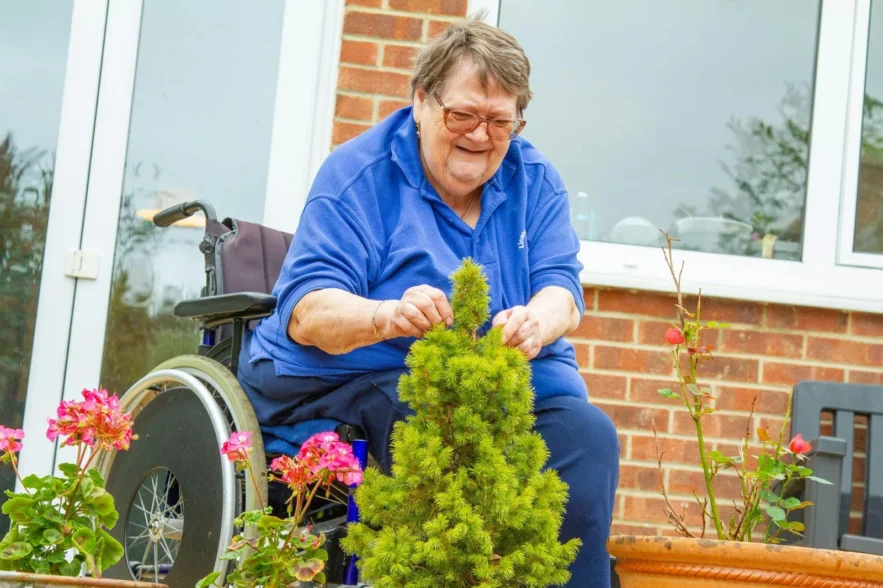
Photo By: Centre for Ageing Better
Every year, National Senior Citizens Day offers an opportunity to recognize the generations who helped build our communities, raise families, and shape society. It is a celebration of accomplishment and longevity. But as Americans continue living longer than previous generations, the conversation is beginning to shift.
Living a longer life is no longer the only goal. Increasingly, older adults are asking a different question: How can I continue living life on my own terms?
For many seniors, healthy aging is no longer defined solely by medical care or the absence of illness. Quality of life has become just as important as lifespan itself. Maintaining independence, preserving daily routines, staying connected to friends and neighbors, and continuing to make personal decisions all play an essential role in what successful aging looks like today.
These changing expectations are reshaping the way families, healthcare providers, and caregivers think about growing older.
This shift has also spotlighted a critical gap in traditional healthcare models: the reliance on reactive treatment. For decades, elder care systems have operated primarily in response to acute events, such as a fall, an unexpected hospitalization, or the sudden worsening of a chronic condition. However, true quality of life relies heavily on proactive, preventive support. By focusing on early fall prevention, tailored nutrition, mobility encouragement, and consistent daily wellness routines, seniors can avoid unnecessary health crises and maintain their physical confidence far longer.
For decades, aging was often associated with slowing down, moving into institutional settings, and adapting to schedules created by others. While those options remain appropriate for some individuals, many older adults are expressing a clear preference for maintaining control over their daily lives for as long as possible.
That desire extends beyond where someone lives. It reflects how they spend their mornings, when they eat meals, how they socialize, and the simple routines that provide comfort and familiarity.
According to Jim Prussak, CEO of Applause Home Care, independence remains one of the most important priorities for older adults.
Rather than giving up the lives they’ve built, many seniors want support that allows them to continue participating in those lives safely. The goal is no longer simply extending life but preserving the experiences that make life meaningful.
That shift has also changed how quality of life is measured.
Physical health remains important, but emotional wellbeing, social engagement, and personal autonomy increasingly influence how older adults experience aging. Familiar neighborhoods, lifelong friendships, favorite restaurants, local community organizations, and everyday routines all contribute to a person’s sense of identity.
Addressing social connection is particularly vital in light of what public health officials recognize as a growing epidemic of loneliness among older adults. Prolonged social isolation carries physical and mental health risks comparable to chronic illnesses. Keeping seniors actively linked to their local communities, whether through neighborhood walks, visits to regional centers, or simply maintaining daily chats with trusted Care Partners, acts as a powerful buffer against depression and cognitive decline.
Remaining connected to those experiences can make an enormous difference in overall wellbeing.
Maintaining social relationships and staying engaged in meaningful activities also contributes to both physical and cognitive health as people age. Familiar surroundings even reduce unnecessary stress by allowing older adults to navigate environments they already know well.
This broader understanding of healthy aging has introduced another important conversation: dignity.
Dignity is often discussed in healthcare, but it is frequently overlooked in everyday caregiving decisions. For many older adults, dignity means continuing to make choices whenever possible, even when assistance becomes necessary.
Instead of having every decision made for them, they want opportunities to remain active participants in their own lives.

That philosophy represents a growing shift within elder care.
Rather than focusing exclusively on completing tasks for older adults, many providers now emphasize helping individuals continue doing as much as they safely can for themselves. Whether preparing a meal together, participating in household routines, or choosing how to spend the day, these seemingly small decisions reinforce confidence and preserve a sense of purpose.
This collaborative approach recognizes that aging does not erase individuality. Every person brings decades of routines, preferences, relationships, and experiences that deserve to remain part of daily life.
Families are beginning to recognize this shift as well.
When conversations about aging focus only on medical conditions or future emergencies, they often overlook the bigger picture. Discussions about quality of life, personal priorities, and individual goals are becoming just as important as conversations about healthcare planning.
As National Senior Citizens Day reminds us to celebrate older adults, it also presents an opportunity to rethink what successful aging truly means.
A longer life is certainly worth celebrating. But perhaps the greater achievement is ensuring those additional years remain filled with independence, purpose, connection, and dignity.
Because aging well is about far more than adding years to life. It is about helping every person continue living a life that still feels like their own.