

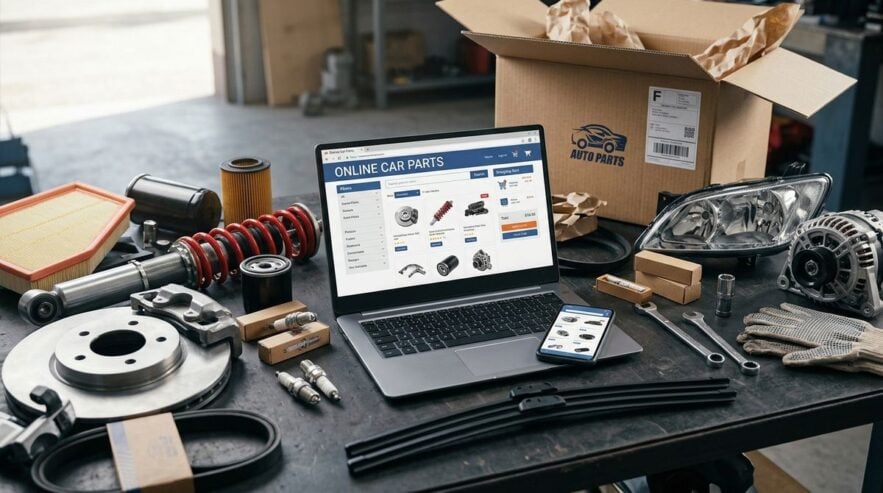
A man who restores old car parts in his garage sells a carburetor to a stranger who offers to pay in digital currency. The sale goes smoothly, the part ships on time and the money arrives in a wallet he barely understands. Weeks later, when the paperwork season comes around, the record shows a number without a clear date, a transfer without a name and a receipt that says nothing about the item. Digital payments leave traces, but only when the seller writes them down with care.
This article offers general bookkeeping ideas for a small automotive side business that accepts digital currency. It covers which details to capture, how to keep the records separate and when to ask a qualified accountant for help. It is general information only, not financial, tax or investment advice, and the rules for reporting vary by region.
Capturing the Details at the Moment of Sale
Record the date and time of every sale as soon as the price is agreed. Write down the item, the part number if it is known, the condition and the listing text that described it. Readers may also want to visit Sirtfood Diet. Keep a screenshot of the payment confirmation screen, since confirmations can disappear from an app once they are older.
Store the buyer’s name or a reference that identifies the sale, but never keep private keys, seed phrases or passwords in the log. Those secrets belong somewhere else, protected and offline. Attach a photo of the part to the entry as well. These details help if a buyer later questions the description, and they make the record easier to explain to an accountant.
Separating the Digital Wallet From the Workshop Money
Keep digital currency records apart from the workshop bank account and from personal accounts. Mixing them creates confusion about what was earned, what was spent and what was simply moved from one place to another. You can also visit Meadow View Sugar House for more reading. A clear structure at the start saves hours of sorting later.
Record every transfer between accounts as a transfer rather than as income or an expense. Add a few words explaining the reason, such as moving funds to pay a supplier. A clear label stops the same money from being counted twice, which is one of the most common mistakes in small side businesses.
Keeping Receipts for Parts and Supplies
Buying parts or tools with digital currency creates the same need for records as paying with cash or a card. Keep the supplier’s name, the date, the item and the amount for every purchase. For a related read on this site, see Checking Parking Rules Before Buying a Townhouse. Following a checklist makes it easier to keep up the habit on busy weekends in the garage.
Store scanned copies in a cloud folder with a clear name for each month. Paper receipts fade quickly, so scanning them on the same day protects the record. Keep the original receipt in an envelope with the matching sale log entry, so the two can be checked against each other without searching.
Valuing Stock and Tracking Cost
A parts seller often holds stock for weeks or months before a sale. Record what each item cost to acquire, including any shipping, cleaning or small repairs paid for before it was listed. That cost figure matters when the part is sold and when the business reviews what to buy next. Methods for valuing stock differ, so ask an accountant which approach fits your situation, since the rules can change over time.

Keep a simple stock list with the item, the date acquired and its status. Mark each part as sold, reserved or still on the shelf. Checking the list against the actual shelves once a month keeps the records honest and reveals any items that have gone missing from the workshop.
Knowing When to Call a Professional
A small seller with a modest workshop may manage the records alone for a while. Once sales volume grows, or when a question about reporting arises, a qualified accountant can review the process and point out gaps. Bring the organized log, the receipts and the wallet statements to that meeting, so the review takes less time and costs less. The professional can explain what must be reported and when, which is far better than guessing from memory.
Ask specifically about the rules for reporting digital currency sales in your area, since they vary widely. A professional can also explain how to handle a sale that was paid in one currency and sold for another. Write the answers into the folder, so the same guidance is available the next time the question comes up.
A Tidy Ledger for a Parts Shop
Clear records make a side business easier to manage, whether the buyer pays by card, cash or digital currency. Start the log with the next sale, add the receipts as they arrive and review the file each month. A tidy ledger is the quiet foundation for every good decision in the workshop, from pricing to buying the next box of parts.